Everyday Shopping That Shapes Someone’s Tomorrow A New Model of Social Contribution Envisioned Through the Seven Mile Program’s Donations and the Nippon Foundation
With the Seven Mile Program, you earn 1 mile for every 200 yen (excluding tax) spent, so miles quietly add up through your everyday shopping.
Did you know that donating your miles is also one of the options?
Starting from as few as 10 miles, the Seven Mile Program’s donation initiative has made it easy for anyone to take part. Since its launch in 2020, the program has continued to grow year by year, with the number of partner organizations steadily expanding.
An ordinary, everyday purchase can become a way to support someone in need.
How did this system come to be, and what intentions have guided it over the years?
We spoke with members of the Seven Mile Program team, as well as representatives from the Nippon Foundation, one of the program’s partner organizations.
A Donation Initiative Born from Customer Needs
"Until then, donations were mainly made through collection boxes placed in stores. But as cashless payments became more widespread, opportunities to donate that way were gradually decreasing.
We began wondering—what if accumulated Seven Miles could be converted into donations? That idea is what sparked this initiative."
So says Noguchi, Senior Officer in the Digital Innovation Department at Seven & i Holdings.
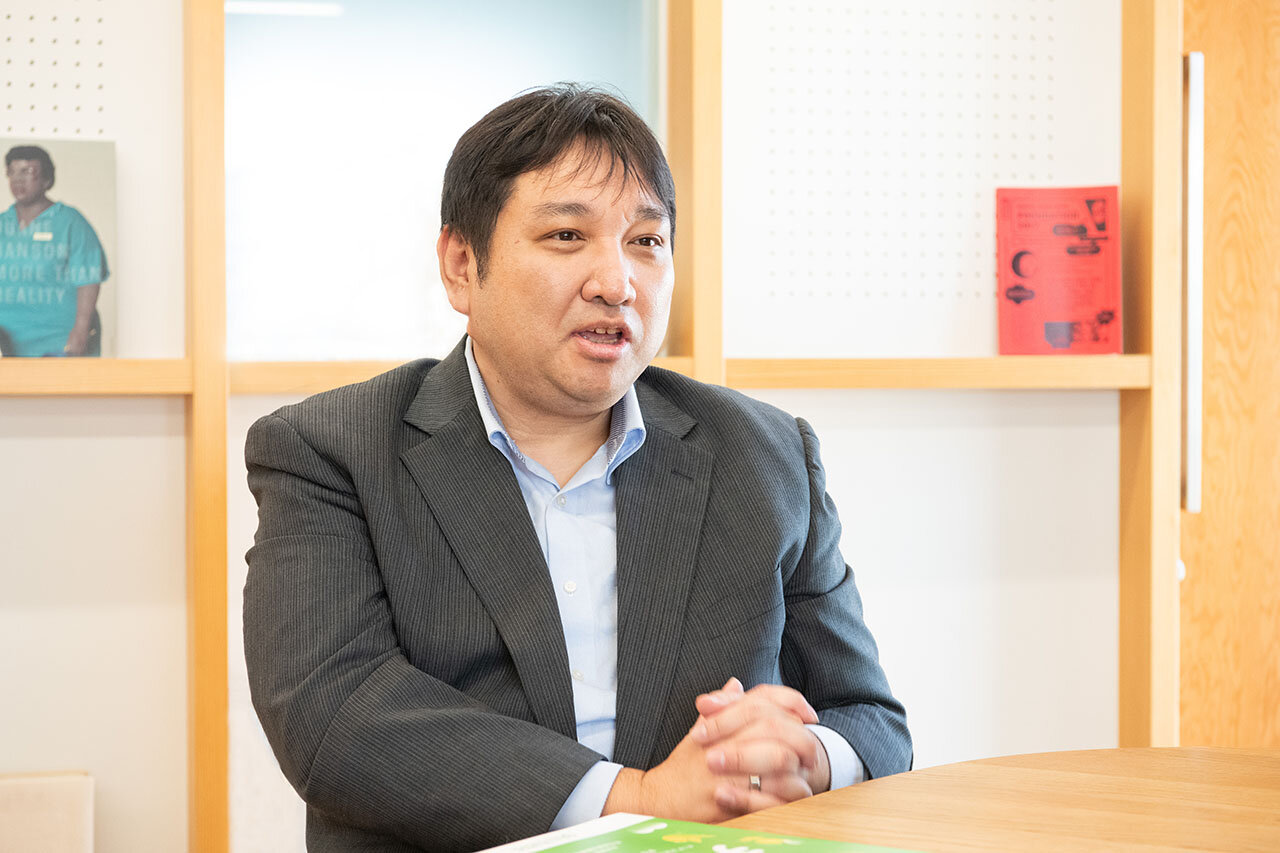
When the initiative first launched in 2020, donations could be made to 10 organizations. Since then, the program has steadily expanded, and today the number of recipient organizations has grown to 40.
While Seven Miles can be used in a variety of ways beyond donations, why has donating remained such an important option?
Nakajima, also an Officer in the Digital Innovation Department, explains:
"Seven-Eleven customers come from all walks of life, across generations and genders. Seven Miles are like a small bonus that accumulates through everyday shopping—and we wanted to understand how people might want to use them.
As we conducted our research, we found that a certain number of customers wanted to use their miles to contribute to society. Offering donation options was one way to meet those needs."
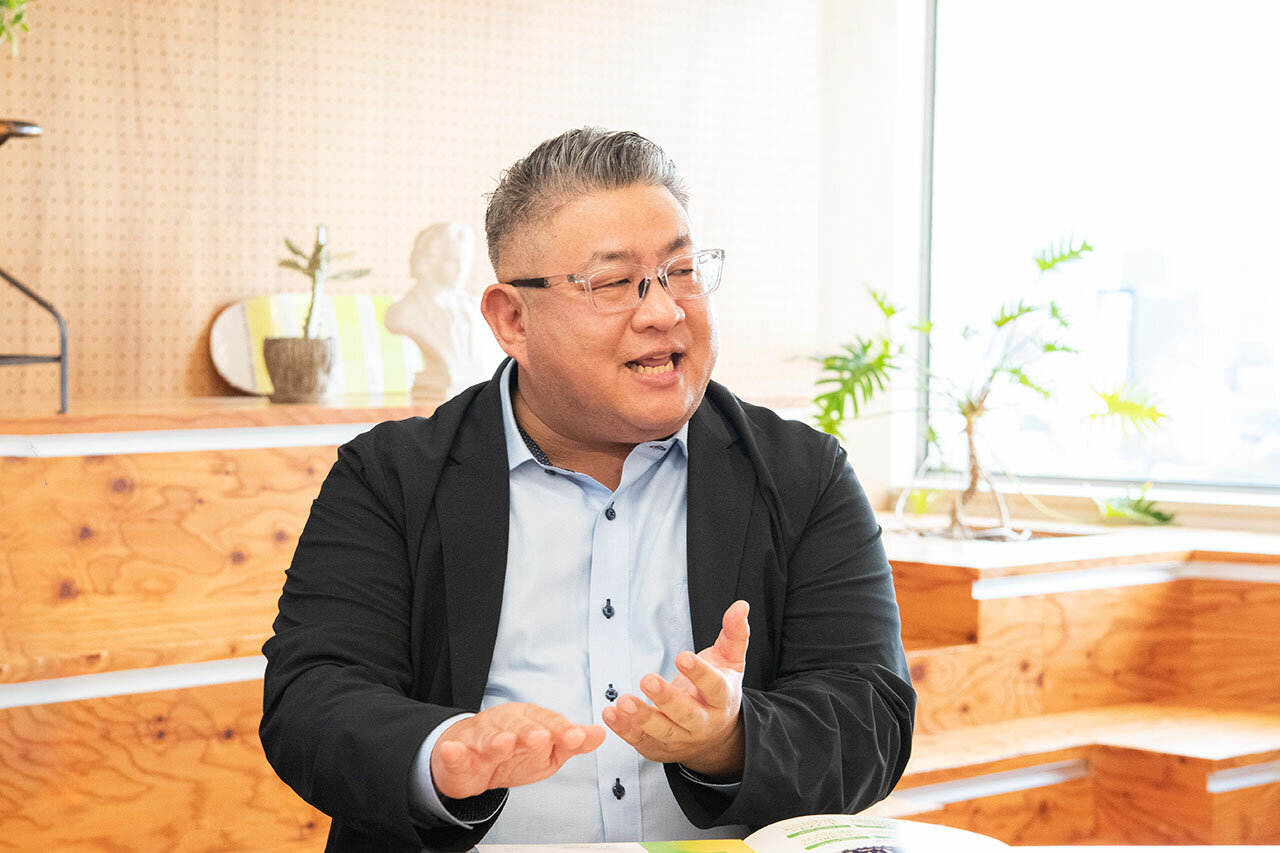
Nakajima
That said, we are not donation professionals ourselves. Starting in the second year, we decided to work together with the Nippon Foundation.
By doing so, we hoped not only to expand the scope of our donation efforts, but also to learn more ourselves through the process.
How the Seven Mile Program Redefined the Way We Donate
This initiative began with a shared desire to offer customers choices for their spending of thier miles. Kida, Director of the Donation Programs Division at The Nippon Foundation, describes it as "a step toward broadening the base of donations."
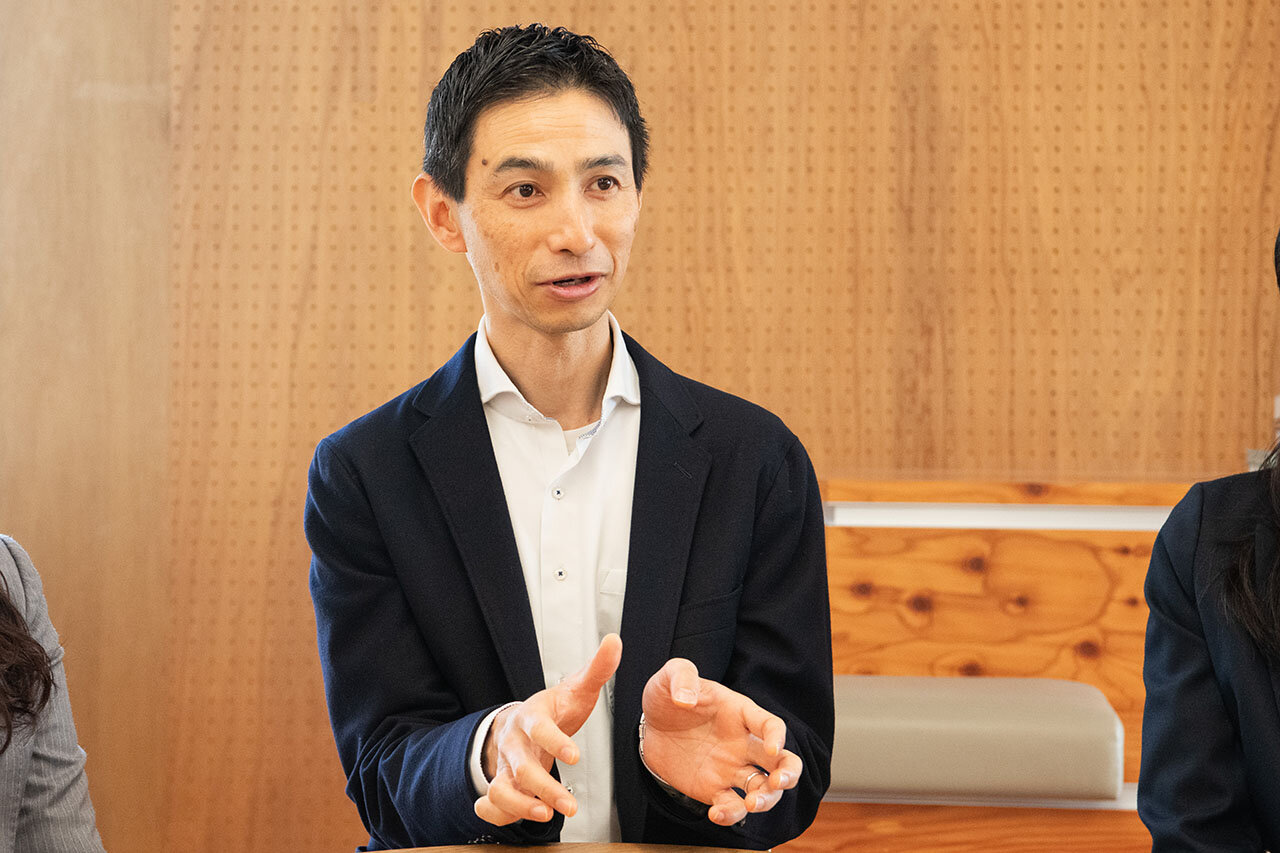
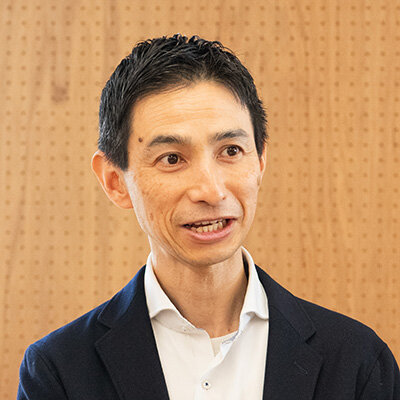
Kida
It is often said that Japanese people lack a strong culture of charitable giving. However, in fact, acts of giving are already part of daily life for some people. Still, many people may hesitate to take the first step often due to subtle psychological barriers—such as self-consciousness towards donation.
The Seven Mile Program has helped to gently remove those obstacles.
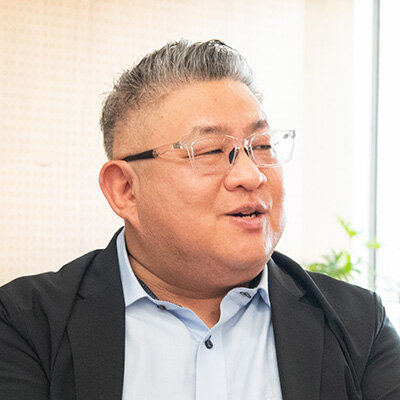
Nakajima
I feel the same way. We also ran a relief donation campaign for the Noto Peninsula earthquake through the Seven Mile Program, and some customers even posted on social media saying, "I donated all the miles I had saved up."
Saying "I donated" out loud can feel a little self-conscious, I think. But with digital donations, you can participate anonymously—and that likely makes the hurdle much lower.
"The fact that donations can be made directly through an app has had a very significant impact," adds Kawabe, Team Leader of the Fundraising Team in the Donation Program Department at the Nippon Foundation.
Kawabe has been one of the members working alongside the Seven Mile Program team to expand the initiative since 2021.
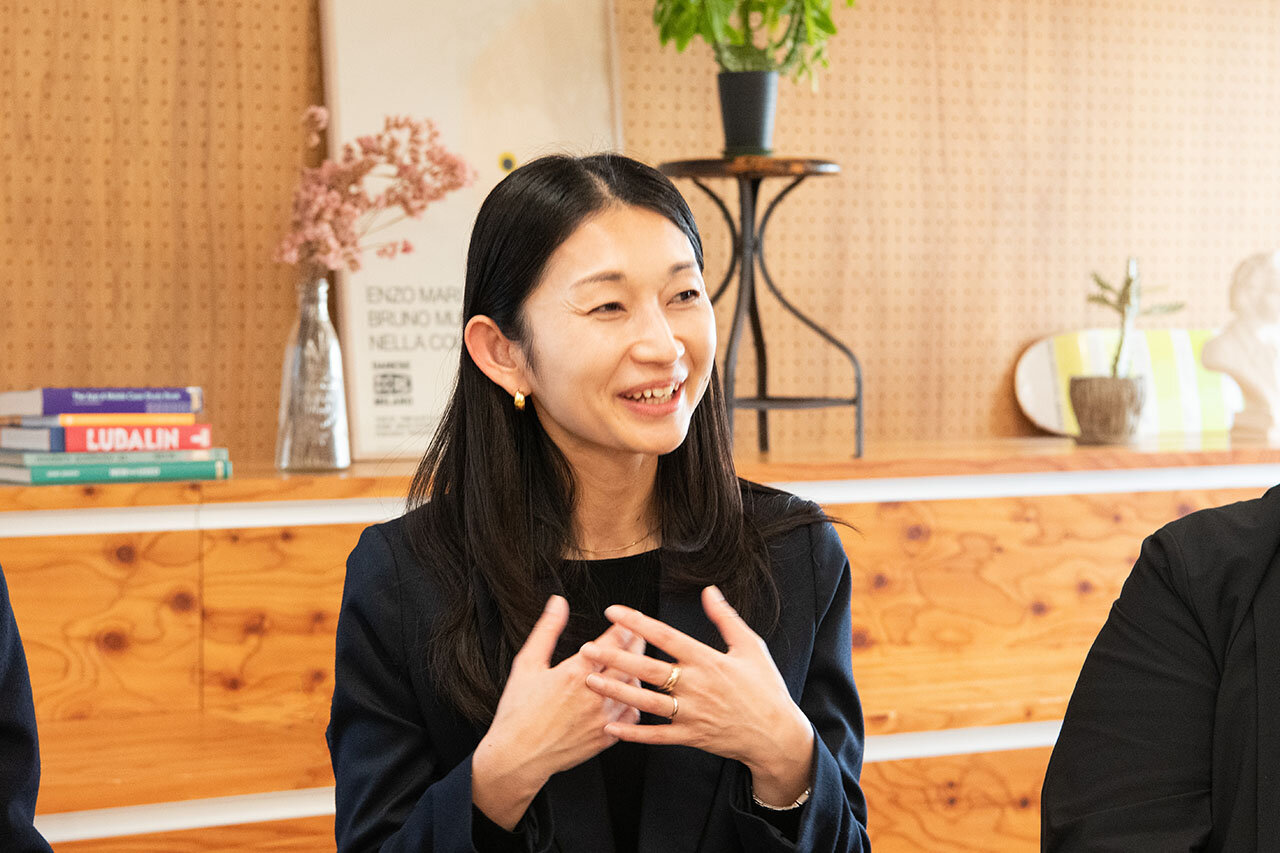
Kawabe
For us, donations through an app were a completely new endeavor. Therefore at first, there was a lot of uncertainty about reaction from the users.
However when we saw the results, the number of donations far exceeded anything we had expected.
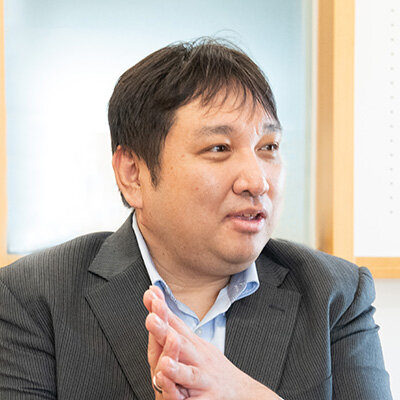
Noguchi
You really were surprised, weren’t you?
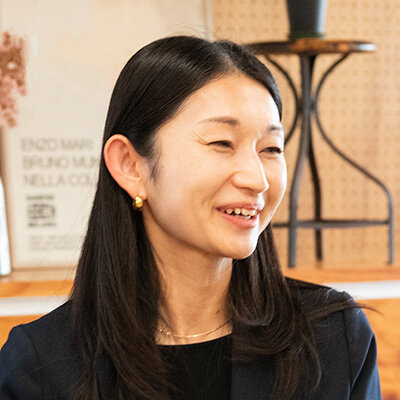
Kawabe
Yes, we are truly grateful to receive numerous supports.
In 2024, the number of donations related to the Nippon Foundation reached approximately 100,000, including donations made through the Seven Mile Program. The total amount donated has also continued to grow year after year.
Although the donation procedure itself could be said to became easier through application, Japan’s economic situation can hardly be described as favorable. So why do donations continue to increase even in this situation?
Miyazawa from the Nippon Foundation's fundraising team responds to this question; "I feel that the youth who are willing to donate are actually quite a lot than the general expectations."
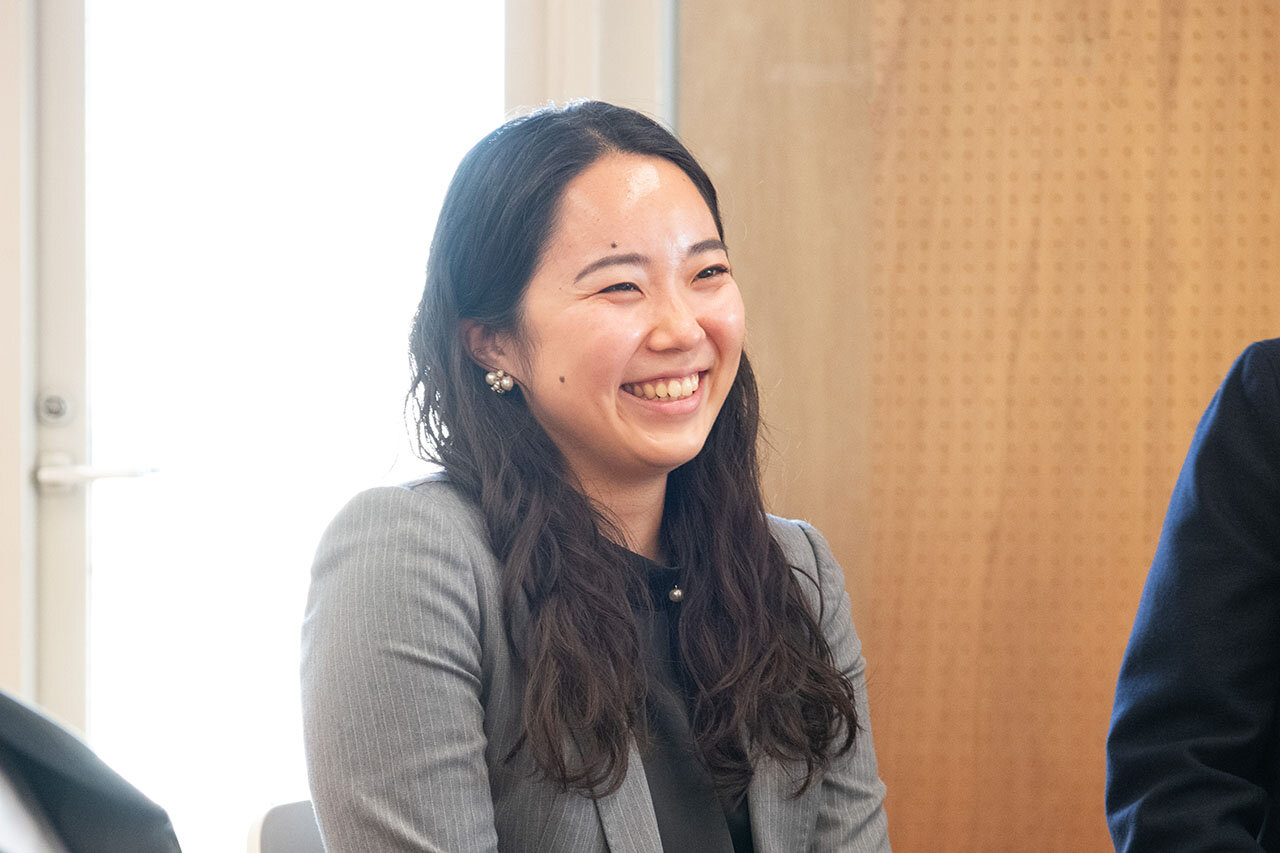
Miyazawa
When disasters occur in Japan or overseas, a lot of my friends would ask me the way to donate to the affected areas. I believe the youth also have the firm willingness to help others who are in desperate needs through donation.
I personally think that the Seven Mile Program itself have the power to encourage those people to take action. The points earned through everyday shopping are something that did not originally belong to us. In addition, the fact that those points could support for someone else is truly remarkable.
The Seven Mile Program has transformed the way of donation.
Next, we asked about how the program creates meaningful connection—
continues to be chosen as a place where people can entrust their goodwill.
What Matters Most in Encouraging Donations
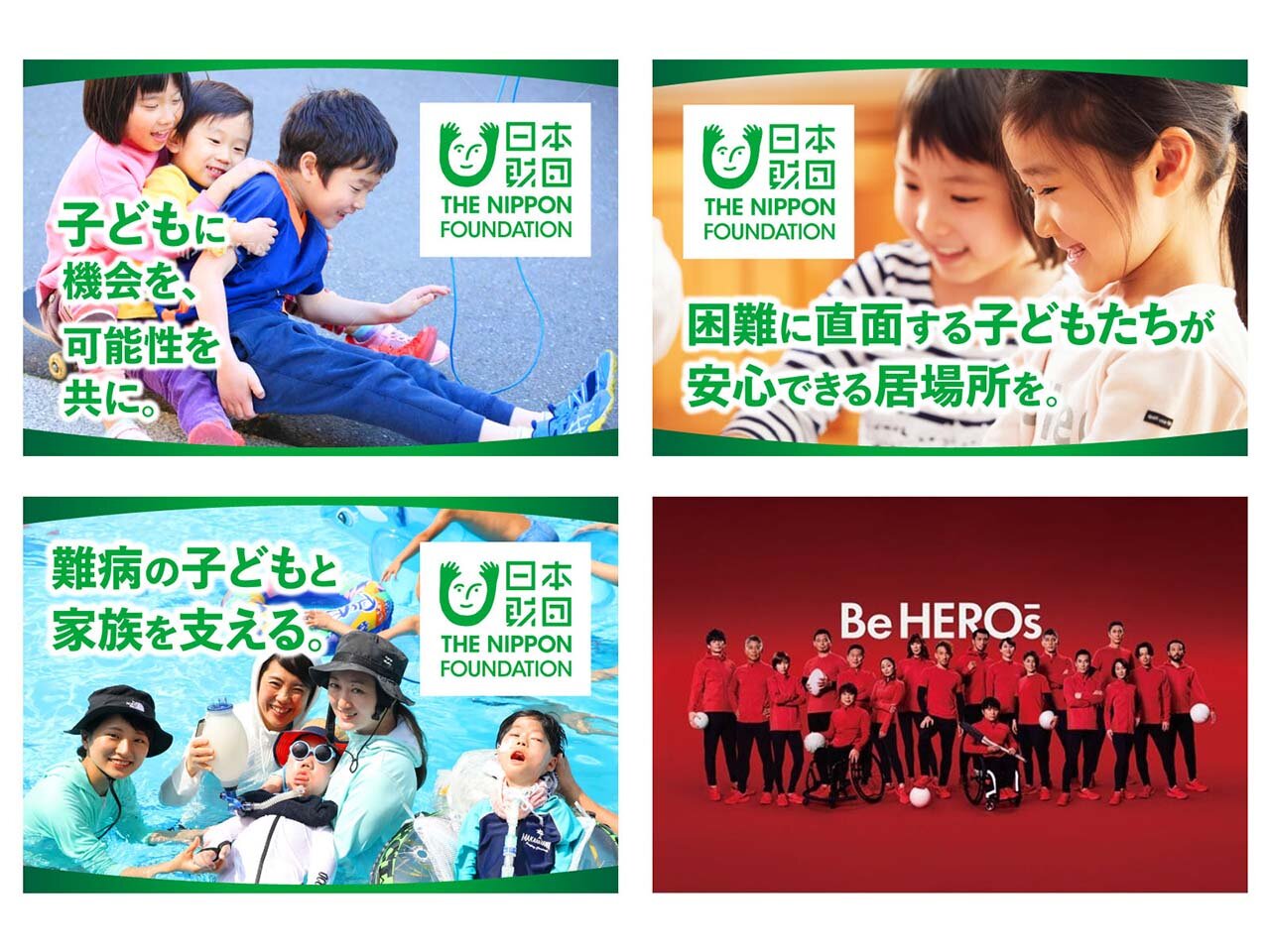
Currently*, the Seven Mile Program is accepting donations for four initiatives:
"The Nippon Foundation Supporting Seriously Ill Children,"
"The Nippon Foundation HEROs—Sportsmanship for the future"
"The Nippon Foundation Third Spaces for Children," and
"The Nippon Foundation Children’s Support Fund."
*As of February 17, 2026
Many of these initiatives are focused on children—the ones who will shape the future.
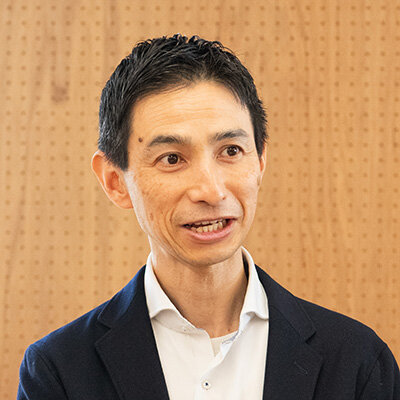
Kida
As Japan continues to face a declining birthrate, it is also reported that approximately one in six of the children in elementary school experiences some form of social or developmental challenge. The Nippon Foundation has tackle these issues.
Therefore, we hope to raise awareness among Seven-Eleven customers to learn more about the challenges that the children face in Japan.
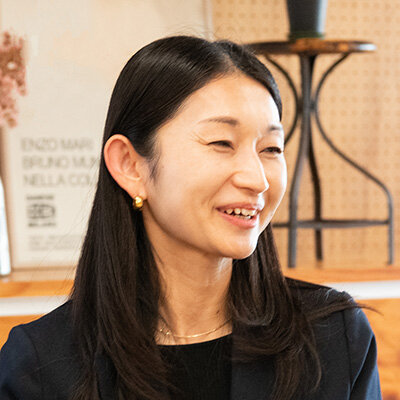
Kawabe
Through the "Third Spaces for Children" initiative that we are working on together, we provide children with a safe space to belong outside of their homes and schools. We aim to nurture children so that they develop a strong sense of ownership over their lives and the ability to live independently in the future.
Even small acts—such as learning to cook a bowl of rice from an early age—can have lasting significance. I believe these experiences cultivate confidence and independence, ultimately shaping a better future.
The initiative is closely connected to Seven-Eleven through the themes of "food" and "daily life." I firmly believe that supporting children is indispensable to shaping our shared future, one that affects every one of us.
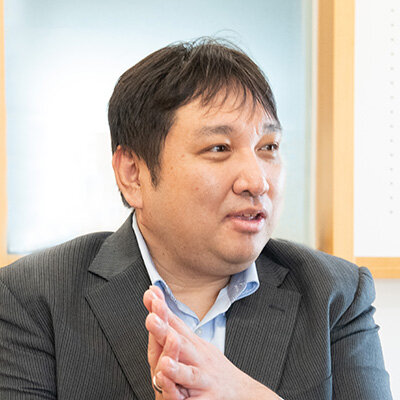
Noguchi
What both of you have said is extremely important. It’s only when people feel, "I want to help this person," or "I want to be involved in this cause," that a donation truly comes to life.
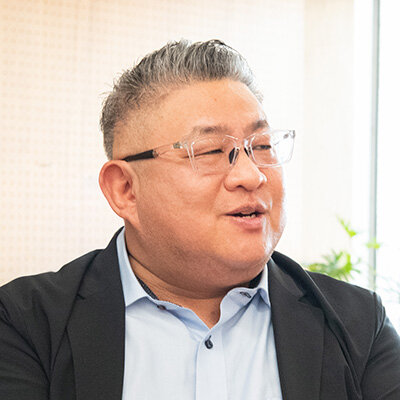
Nakajima
I believe there are two things that are particularly important. The first is clearly showing how donations will be used. The second is conveying a sense of passion.
I’ve attended several seminars hosted by the Nippon Foundation, and what stood out to me was how people spoke about their work. Not only those working on the ground, but also those in leadership positions spoke with real conviction about what they have achieved so far and what they aim to do next.
As we select donation partners, we do so with the hope that customers, too, can feel that same sense of passion.
What thoughts lie behind each individual donation? Who is waiting on the other side of that support?
By carefully and consistently conveying that sense of passion, the Seven Mile Program has continued to create meaningful points of connection with customers. And looking ahead, the journey of the Seven Mile Program and the Nippon Foundation will continue.
Finally, we asked them to share their thoughts on the future of donations.
Making the Future Better Through Everyday Shopping
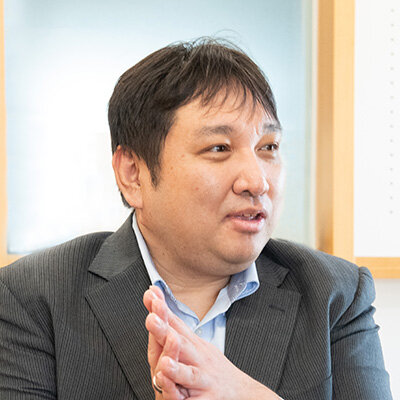
Noguchi
It has been more than five years since we began offering donations through the Seven Mile Program, but I still feel that opportunities to participate in donations are not yet widely recognized in Japan. That said, it can also be seen as a sign of untapped potential.
By companies like ours—who engage with a large number of customers—working together with organizations such as the Nippon Foundation, which continue to witness the realities of donation work on the ground, I believe that those possibilities can continue to expand.
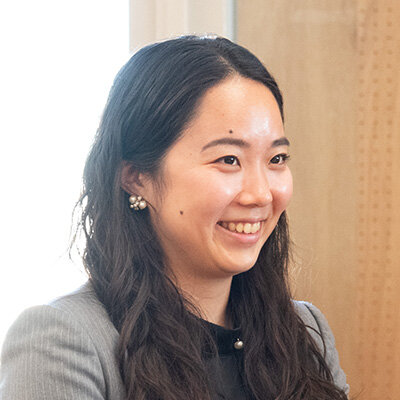
Miyazawa
As a fundraiser who work closely with practitioners in various fields, it has strengthened my belief in the transformative power of giving. I remain dedicated to creating more opportunities for donation, as it not only provides essential financial assistance but also brings hope and encouragement to those facing hardship.
However, opportunities to fully convey the impact of giving remain limited. I hope to pursue more creative and compelling ways to share our work—through visual storytelling, web publications, video content, and beyond.
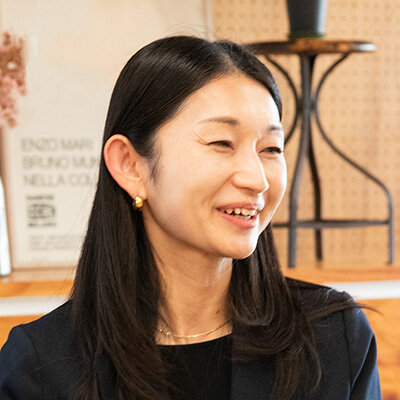
Kawabe
I also believe it is essential to clearly communicate who each donation—whether 100 yen or 1,000 yen—reaches, and how it makes a tangible difference in the lives of children.
Just as the Seven Mile Program has transformed the way people give, we aim to help shape a future in which donors can clearly see the transformation by their contribution.
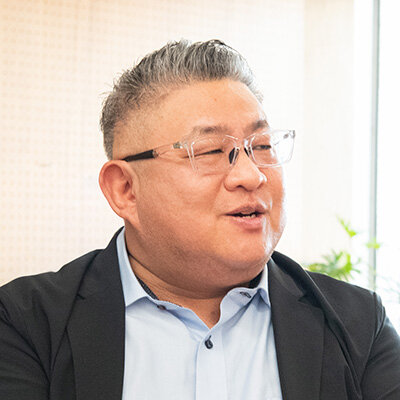
Nakajima
I feel the same way. Our role is not simply to increase the amount of donations. What matters most, I believe, is clearly communicating the activities of the organizations we support and the intentions behind them.
When people learn about what these organizations are doing, it will resonate with someone, somewhere. Even if it doesn’t immediately lead to a donation, simply knowing that "there are people doing work like this" already has meaning.
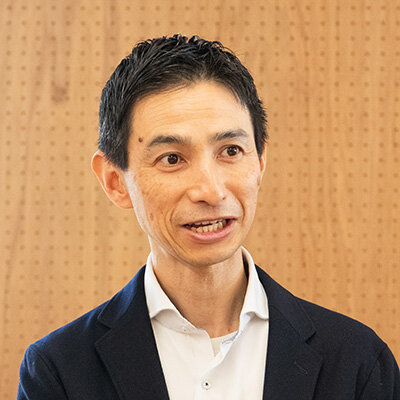
Kida
We are truly grateful for the opportunity to work with private companies. At the same time, I believe that merely continuing to highlight social issues is not enough. If we can truly listen to and capture the voices of those who, in their everyday lives, quietly feel that “something isn’t quite right,” then I believe we can create entirely new forms of giving.
I would love to see a world where people choose to shop at Seven-Eleven not only for convenience, but because they know their purchase contributes to building a better society.
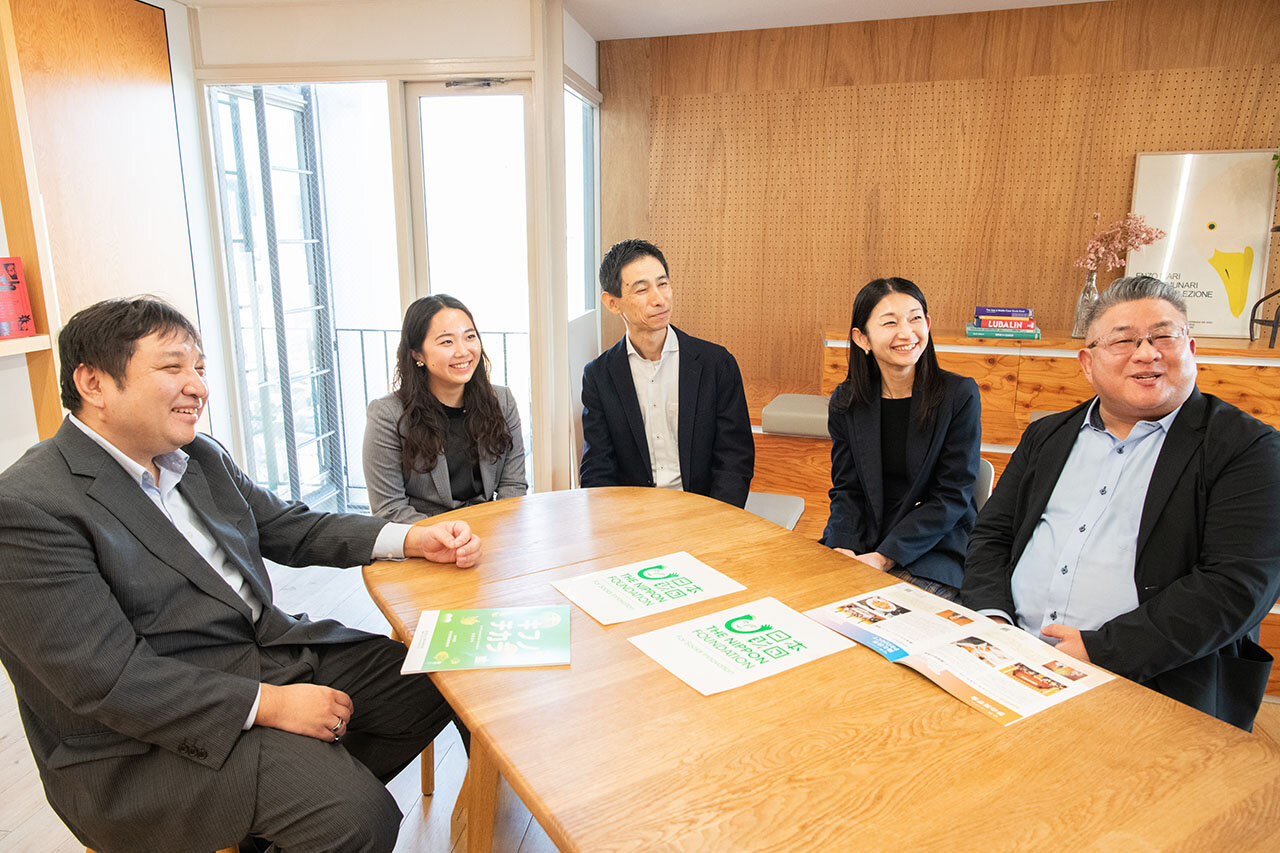
To connect small actions born from everyday shopping to someone’s tomorrow.
The "A Journey to Weave Your Tomorrow" initiative, launched by Seven & i Holdings and The Nippon Foundation, will continue on this journey into the future.
This text has been translated using an automatic translation tool.
Related articles