The Science of Freshness: What Really Happens Inside a 7-Eleven Onigiri Factory
Onigiri, or rice balls, are a familiar part of daily life in Japan and are often described as a form of the nation’s soul food. Over time, convenience store onigiri have become widely enjoyed, supporting busy lifestyles while maintaining consistent quality and flavor.
In this feature, we go behind the scenes to explore how 7-Eleven’s onigiri are produced. The process focuses not only on taste but also on rigorous safety and quality standards, ensuring customers can enjoy them with confidence wherever they are.

Mezamē, Aspresso’s friendly mascot
Hi, I’m Mezamē, Asupresso’s friendly mascot! Have you seen the incredible standards behind our onigiri? The secret to their lasting freshness is extreme hygiene, not chemistry. Let’s take a look at the cleanliness standards we’re proud to maintain!
Beyond the Threshold: The Rigorous Pursuit of Cleanliness
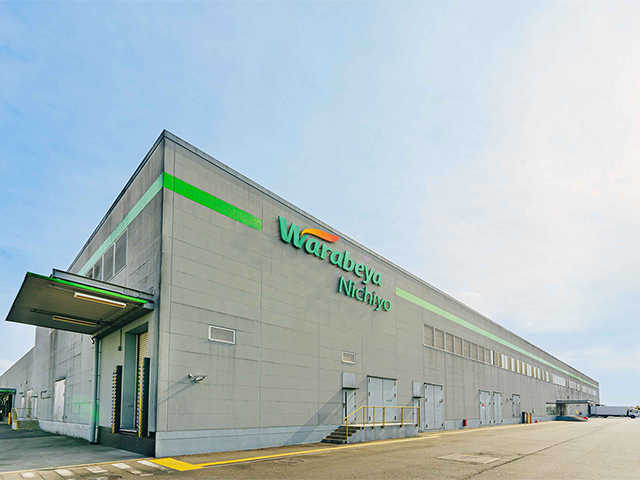
Source: Warabeya Nichiyo Foods Co.
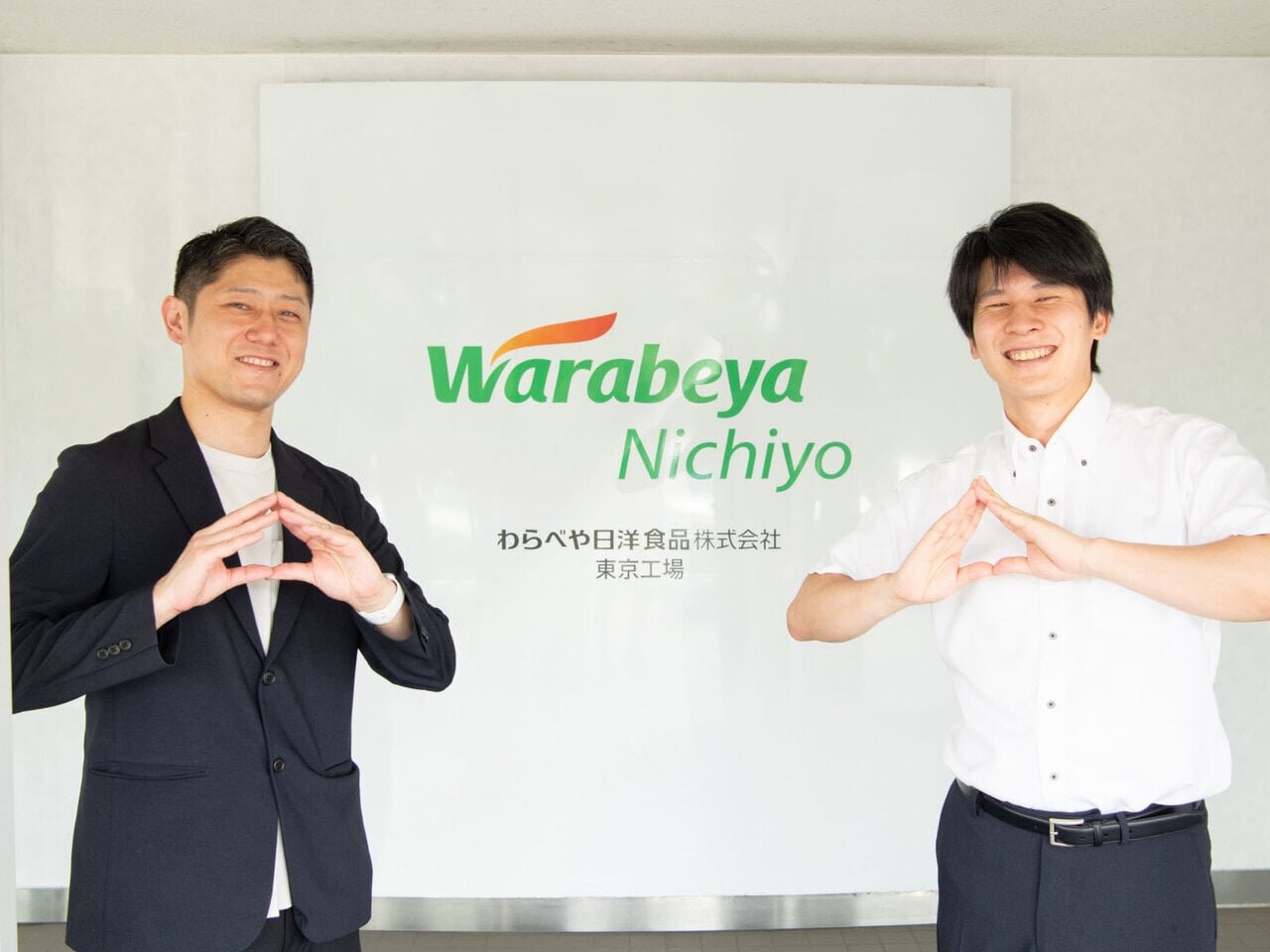
Asupresso was granted exclusive access to the heart of Warabeya Nichiyo Foods’ Tokyo Factory. This massive facility is a cornerstone of the Japanese convenience store industry, producing approximately 300,000 meals a day, including 7-Eleven onigiri and bento boxes.
Guiding us through the facility was Hirano from the Quality Control Department at Warabeya Nichiyo Foods. He explained that the factory operates under HACCP, an international hygiene management system mandated by Japan’s Ministry of Health, Labour and Welfare. The facility has also obtained FSSC22000, a globally recognized food safety management certification.
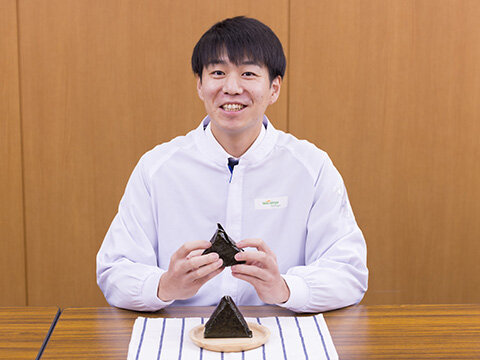
Hirano, from the Quality Control Department at Warabeya Nichiyo Foods
Hygiene management begins well before anyone handles the food and is maintained at exceptionally high standards. The entry process involves far more than standard hand washing. Not only employees but also all visitors must pass through multiple advanced sanitation checkpoints.
See the Multi-Step Hygiene Process Before Entry
Source: YouTube
Inside the factory, all employees wear clean white uniforms, along with hoods and masks. The hoods fully cover the head, preventing even a single hair from falling, Hirano explained. Accessories are strictly prohibited, and a metal detector is placed at the entrance to ensure that nothing unintended is brought inside.
After passing through the detector, workers use sticky rollers to remove even microscopic lint or hair. Rollers are applied from arms to legs in a carefully defined sequence. To maintain consistency across all staff, instructional videos are displayed on screens, accompanied by a 30-second countdown that ensures each step is completed exactly as required.
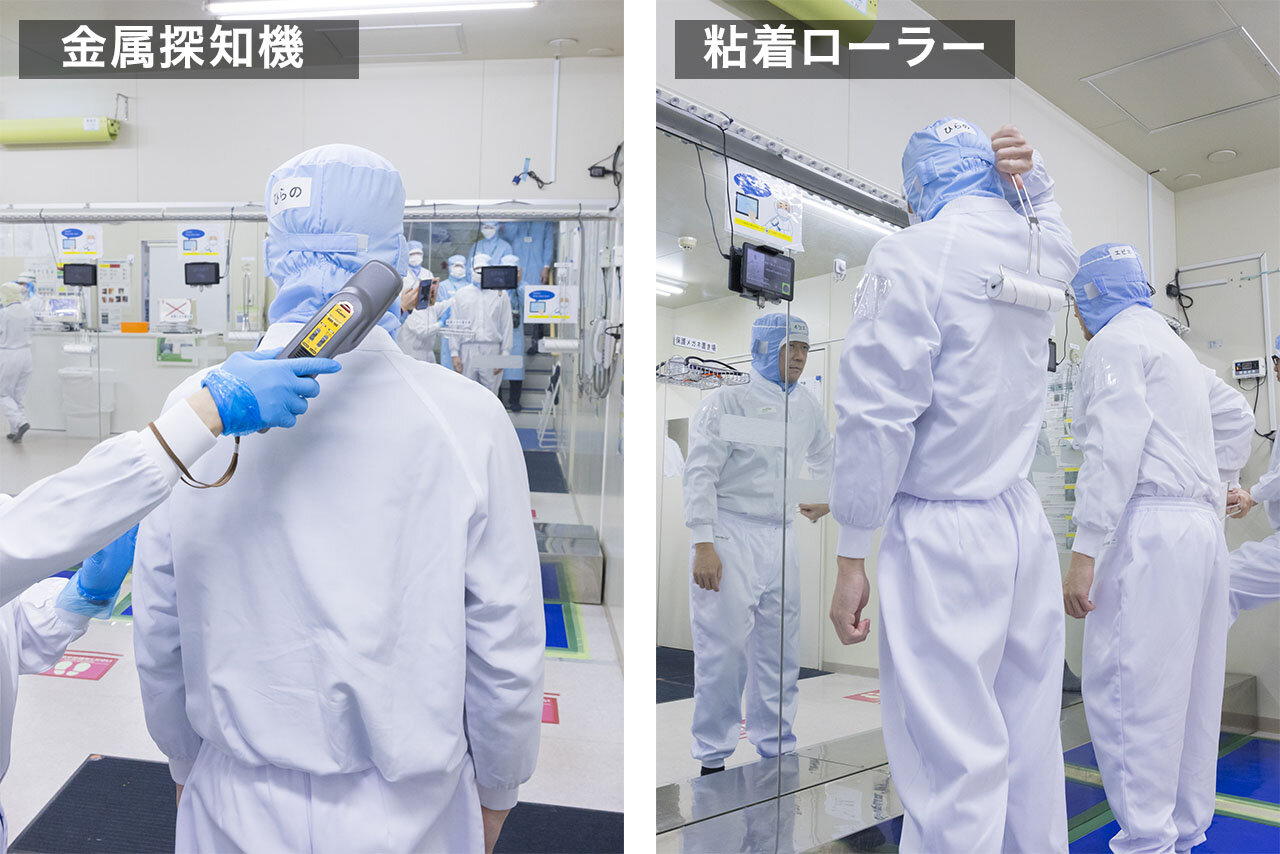
After passing through the metal detector (right), a full-body sticky roller is applied (left). A monitor on the mirror displays a 30-second countdown and an instructional video to ensure thoroughness.
“The vigilance does not end at the entrance,” Hirano explained with confidence. Hygiene inspectors regularly move through the factory carrying sticky rollers. Rather than simply observing, they actively check uniforms and even eyebrows to ensure that no hair can fall into the production line. This layered system of repeated checks underpins the company’s commitment to safety and reliability.
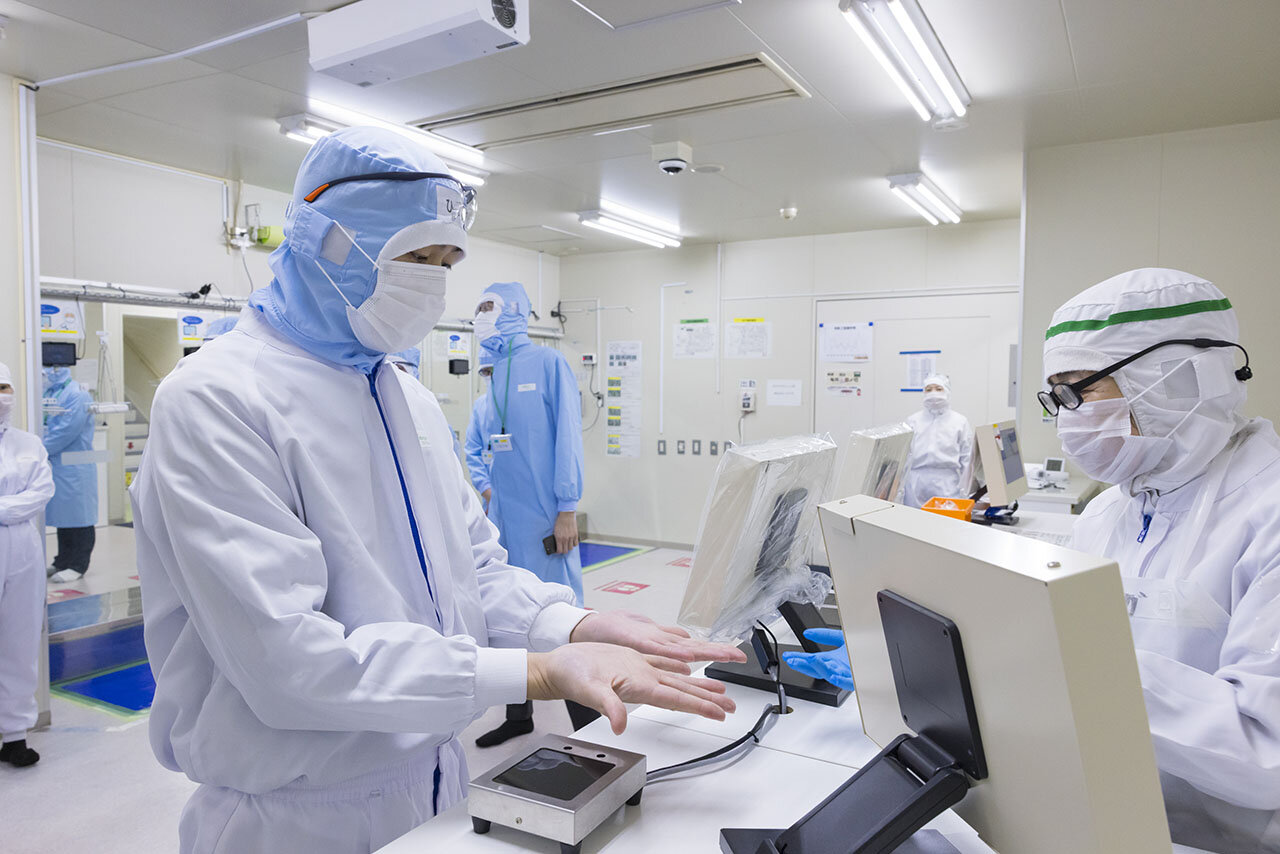
After rolling, hands are inspected for any scratches or dirt.
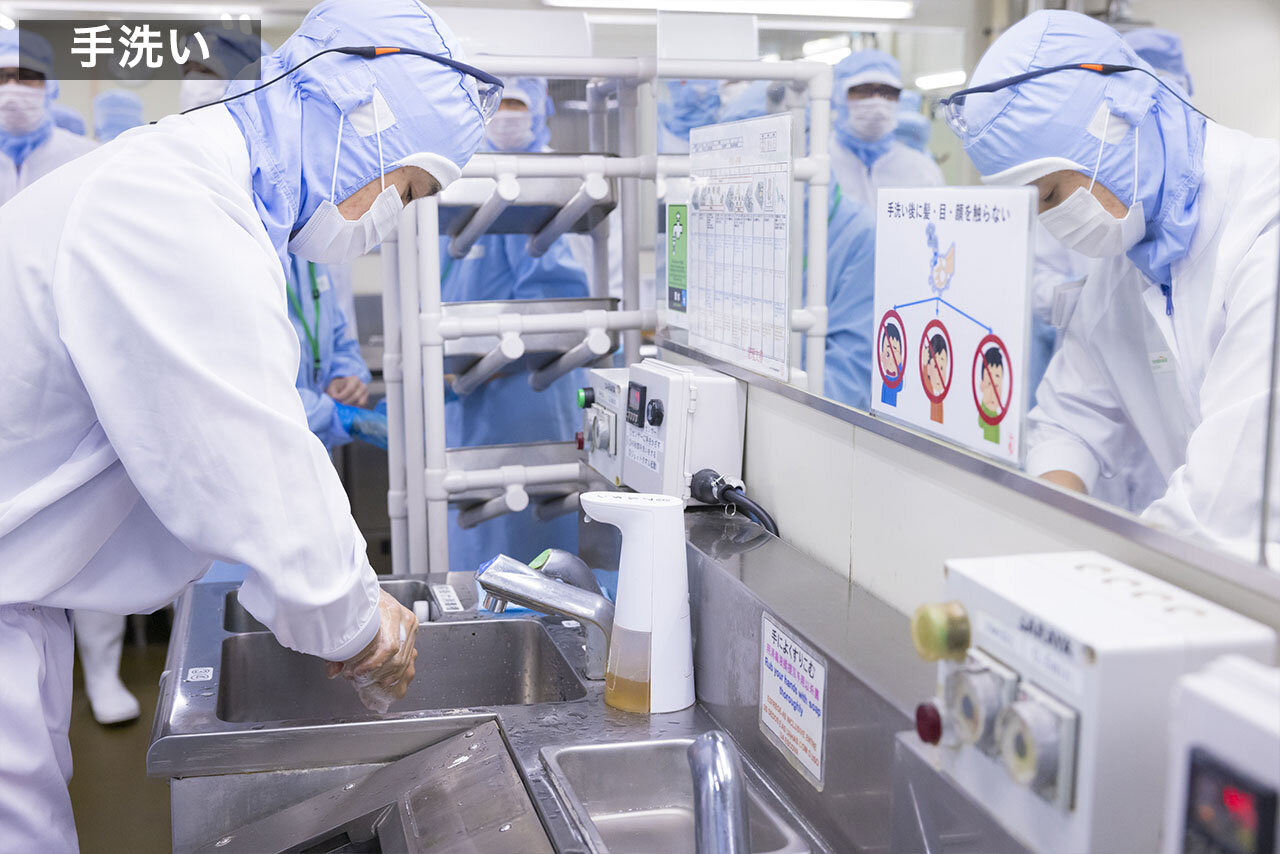
A thorough 10-step hand-washing routine! Pressing a switch starts a 45-second timer, guided by clear illustrations.
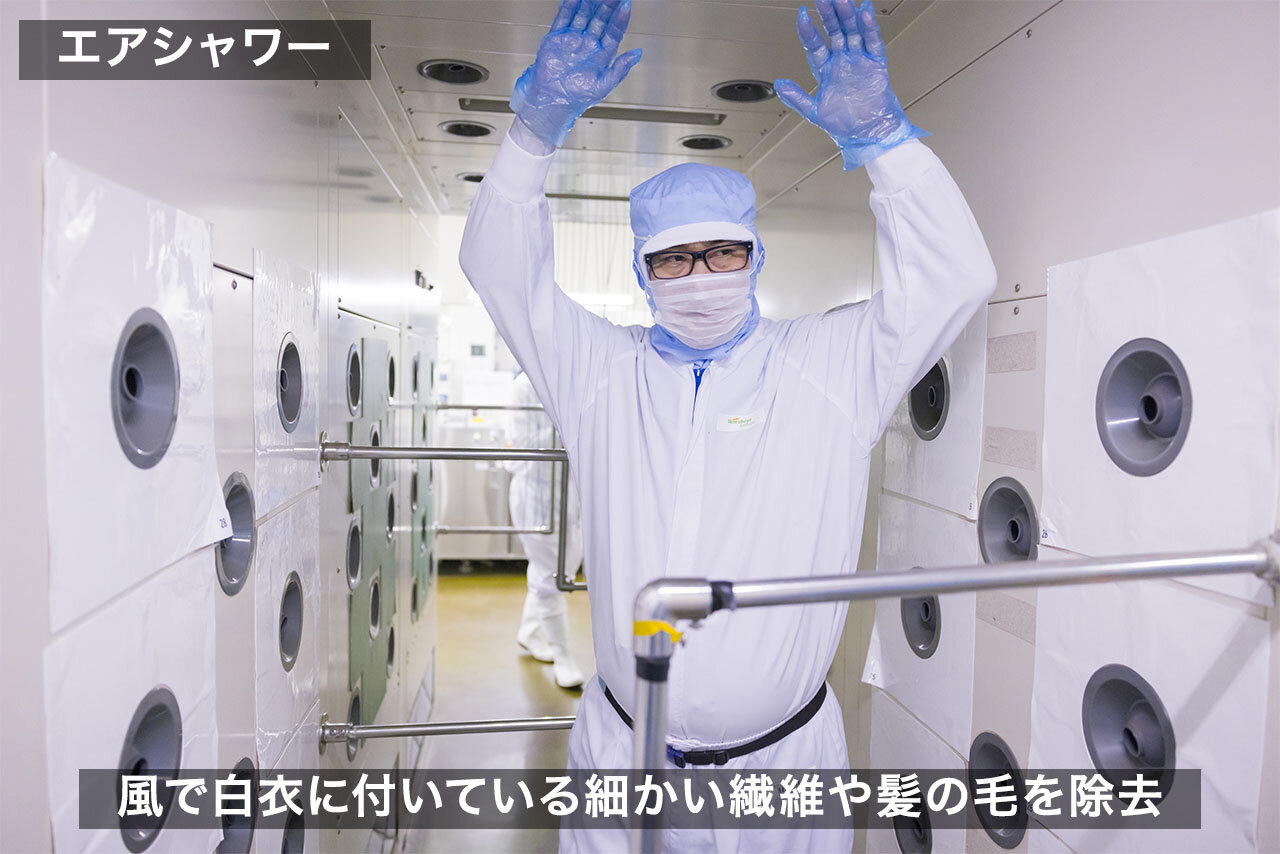
Passing through the air shower and finally heading onto the factory floor!
Building Safety and Quality from the Raw Ingredients
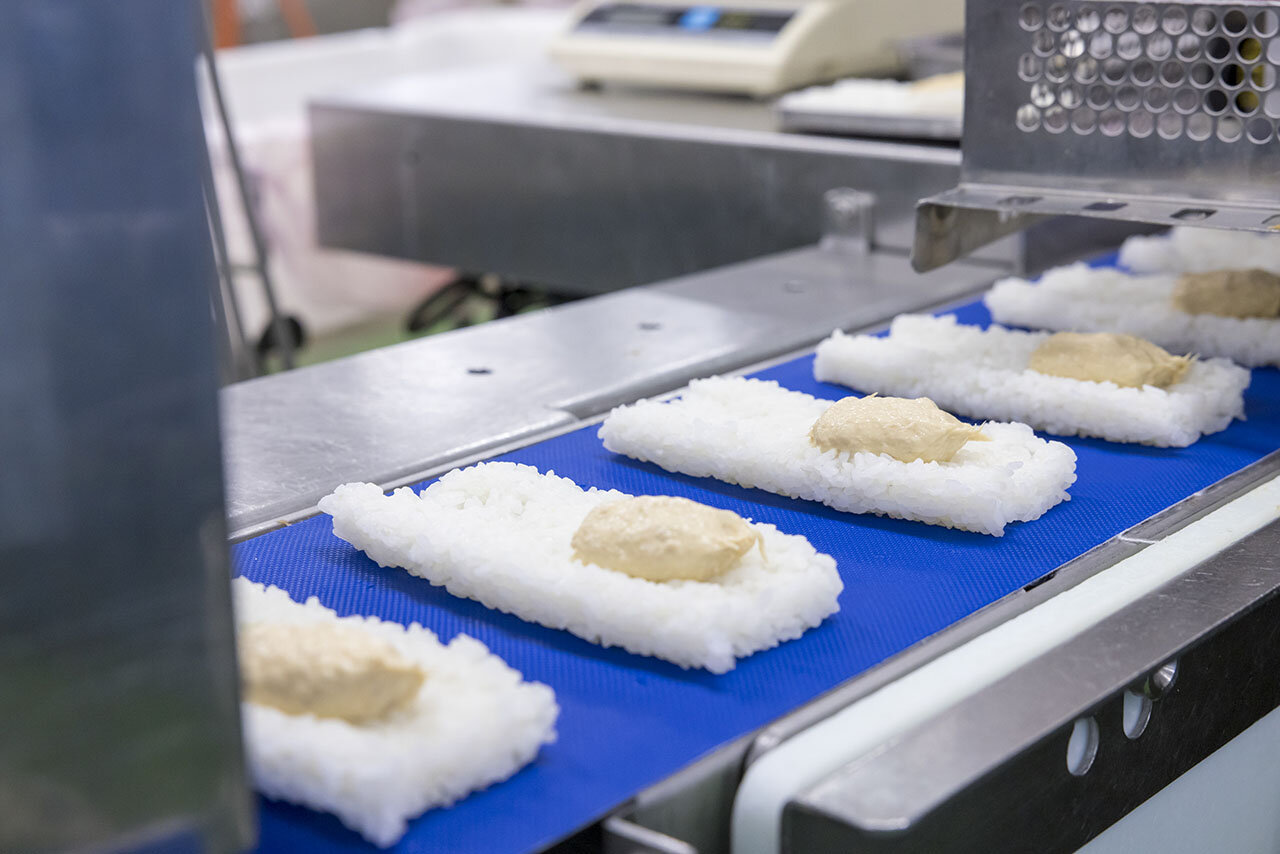
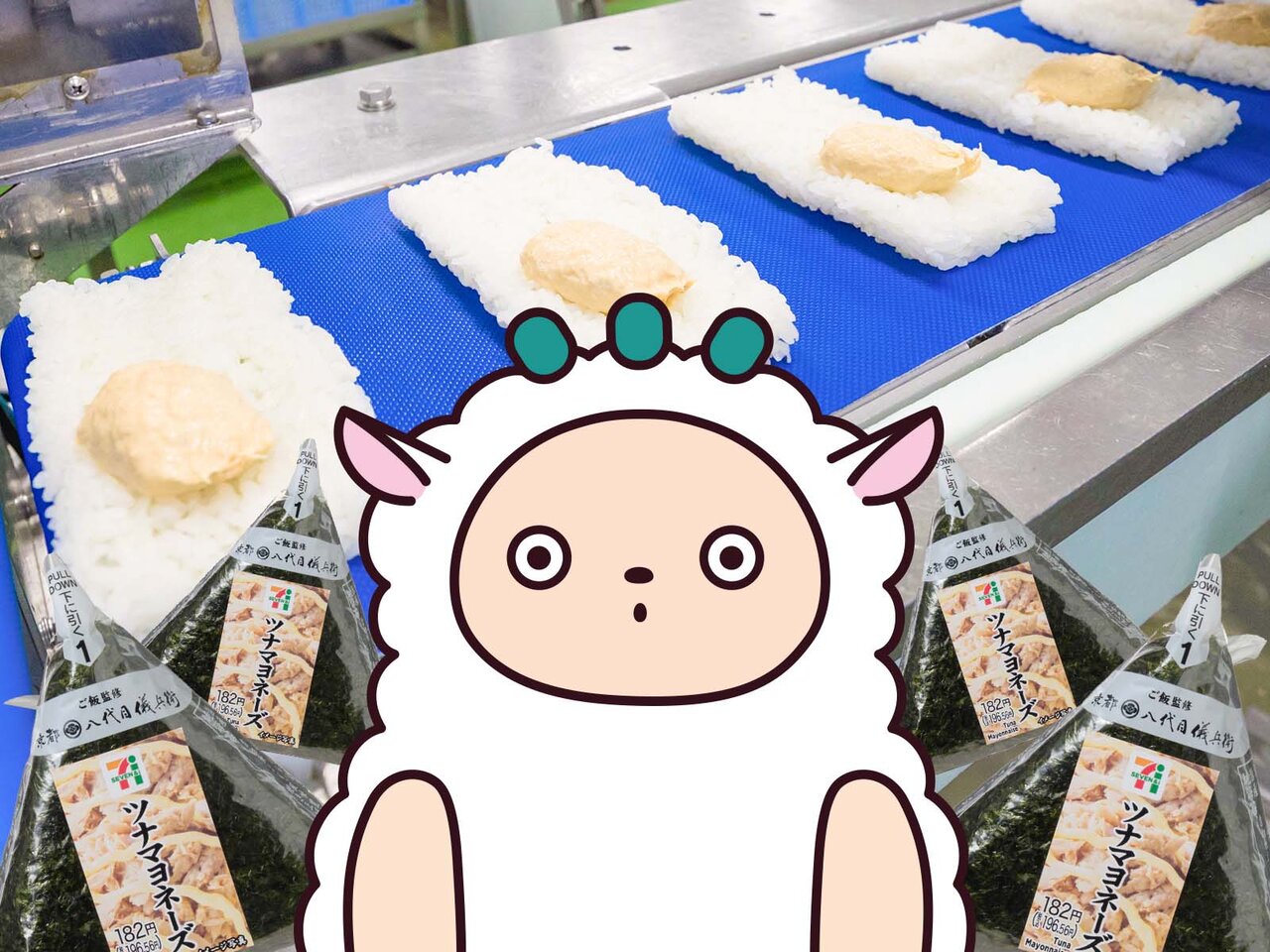
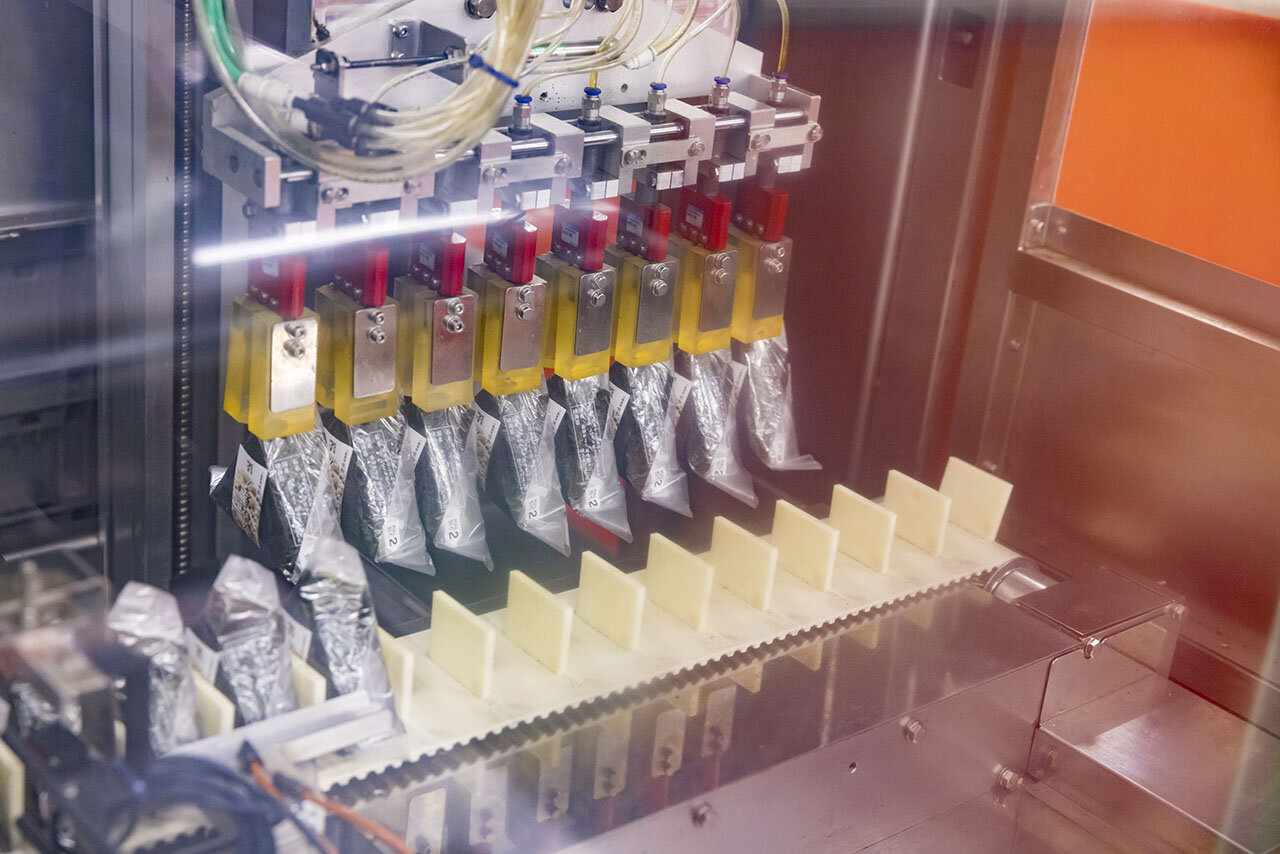
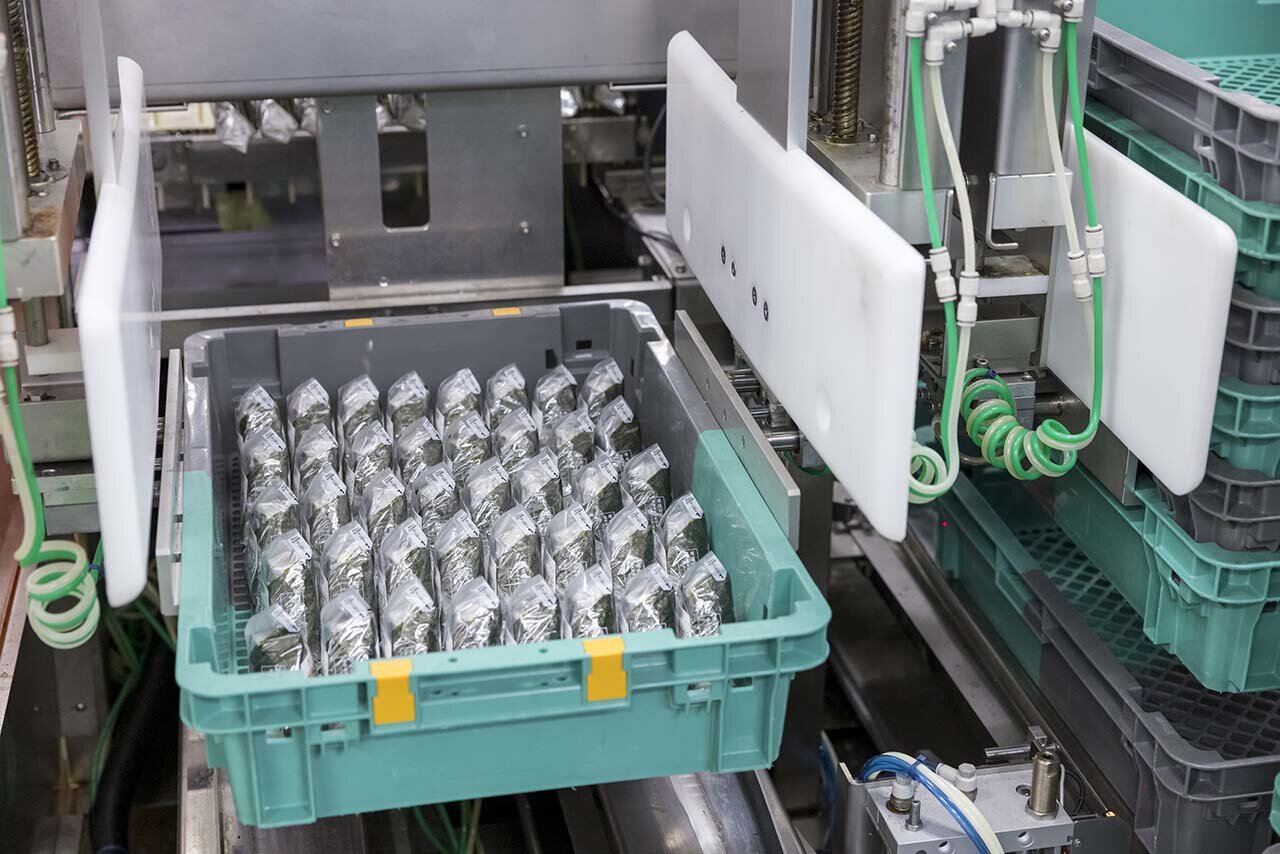
The production process of Tuna Mayo onigiri.
Takahashi, from the Quality Control/Logistics Management Division at Seven-Eleven Japan, emphasizes that safety is the absolute priority. “Take our salmon onigiri, for example. At the supplier stage, the salmon undergoes X-ray inspections to find foreign objects, and every single bone is removed by hand. Because we manage the ingredients to this level, we can provide our products with total confidence.”
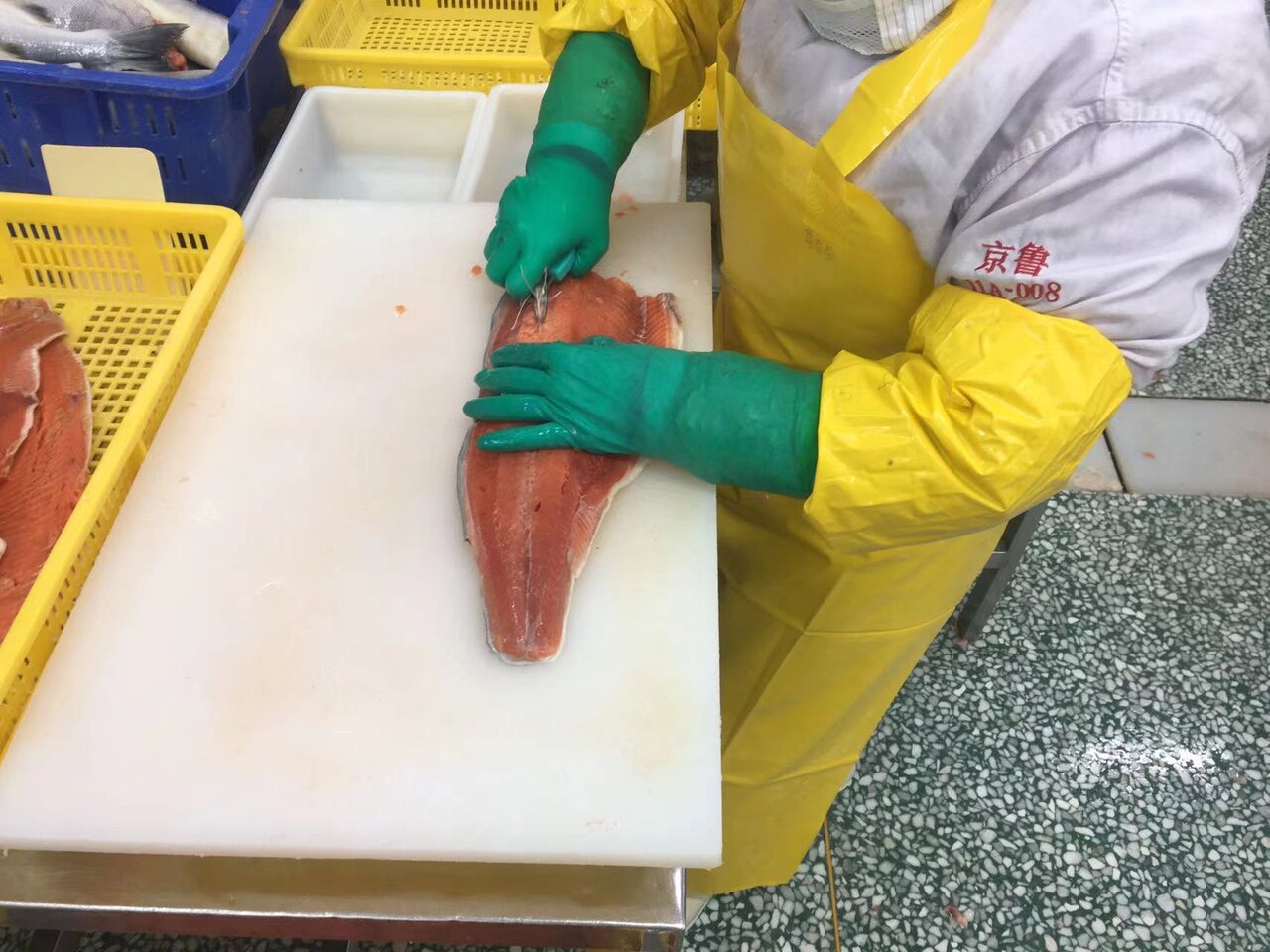
Removing salmon bones individually by hand.
Another key pillar of Seven-Eleven’s approach is reducing the use of food additives. For fresh foods such as onigiri, the focus is on delivering a taste that feels familiar and comforting.
“Additives can help maintain freshness, but we aim to minimize their use,” Takahashi explained. “Instead, we preserve product quality by maintaining extremely rigorous hygiene standards throughout the factory. By creating such a controlled environment, we have been able to extend product shelf life.”
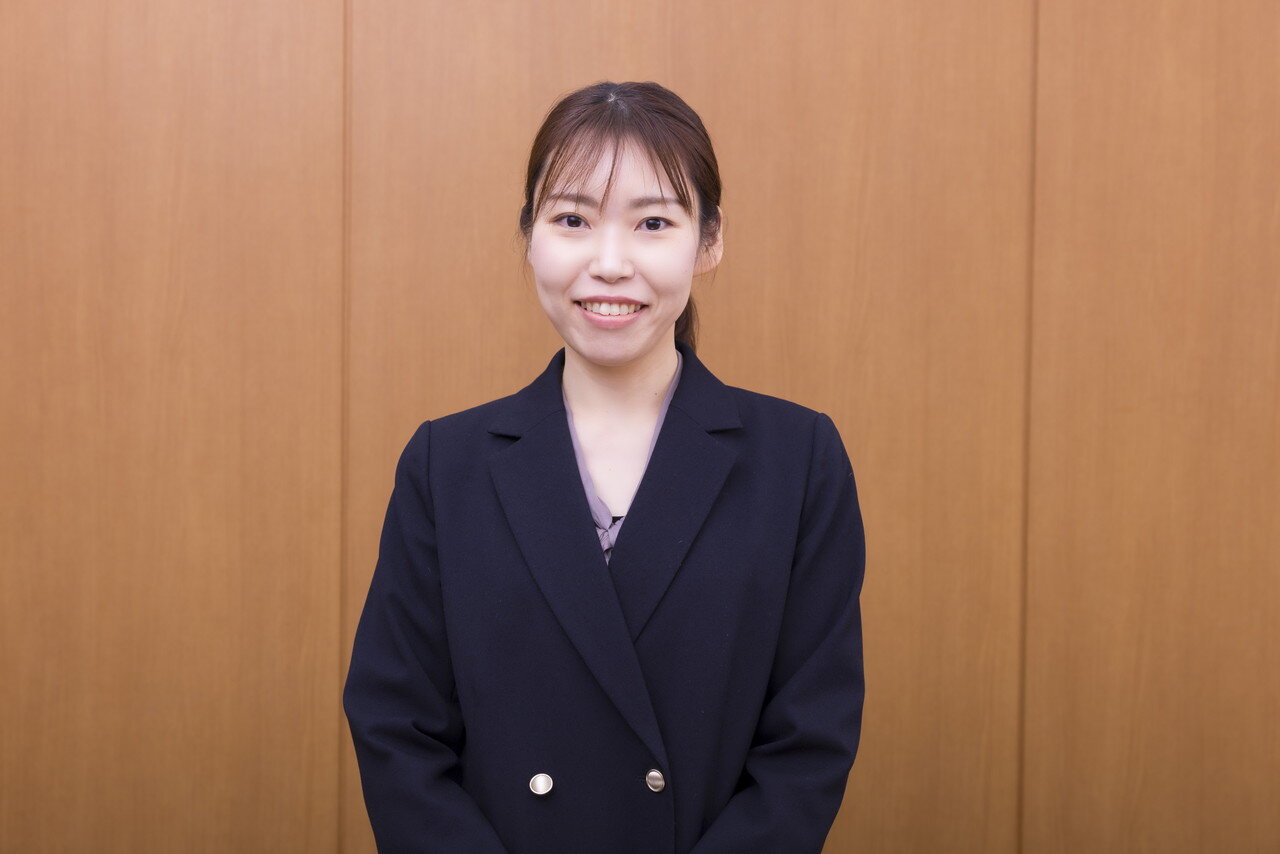
Takahashi, from the Quality Control/Logistics Management Division at Seven-Eleven Japan
She added that this effort delivers broader benefits. “It supports customers while also helping reduce food waste at our stores, making the process more environmentally responsible.”
The production process of Tuna Mayo onigiri.
The Secret of 20°C: Preserving Flavor and Freshness
Once the onigiri are ready to leave the factory, they begin their journey to stores across the country. So how is their freshness maintained during nationwide distribution? Many might assume they are frozen or heavily refrigerated. In fact, they are delivered at room temperature.
“If rice is stored in a refrigerator, it remains safe from bacteria for a longer period, but the texture becomes firm and crumbly, which affects the taste,” explains Ikeda from the Rice and Noodle Department at Seven-Eleven Japan. Many people have likely experienced this at home.
In fact, this is one of the key reasons the factory maintains such rigorous cleanliness. Serving soft, flavorful onigiri safely at room temperature requires exceptionally strict hygiene standards. Takahashi explains that food spoilage occurs when bacteria multiply. By minimizing bacterial presence from the earliest stages of production, the product can naturally maintain its freshness for a longer period.
The “magic number” is 20°C, or 68°F. Rice is considered most enjoyable at around this temperature. Seven-Eleven maintains a carefully controlled environment throughout the entire process, from cooling after cooking to transportation and store display, all centered on this optimal range.
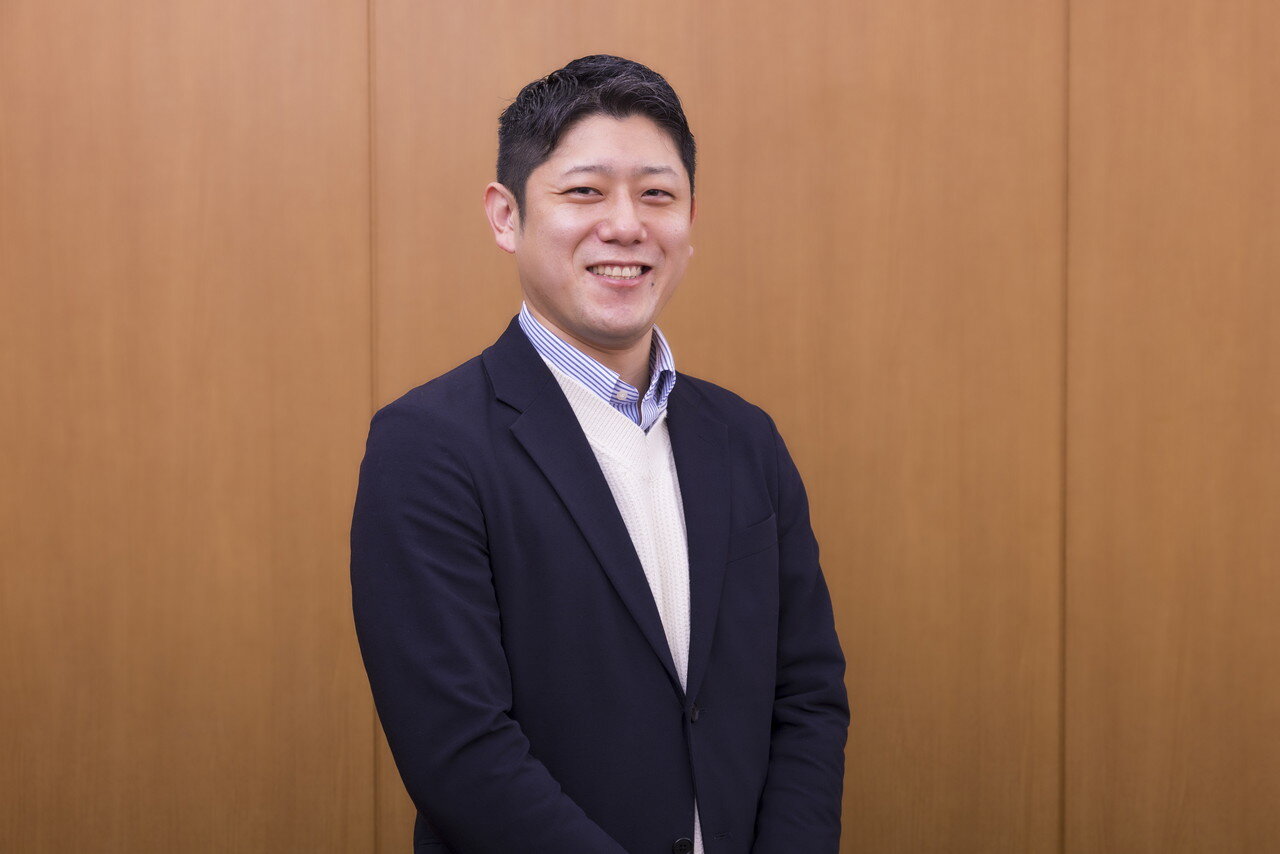
Ikeda, from the Rice and Noodle Department at Seven-Eleven Japan
“Whether it is summer or winter,” Hirano explains, “we adjust water levels during cooking and fine-tune other conditions based on seasonal temperatures. Maintaining precise temperature control is also essential to preserving the peak flavor of the rice. This ensures the product reaches customers in its best possible state, with the same high standards maintained not only in Tokyo but at production facilities across Japan.”
Meeting such demanding standards requires specialized expertise. Ikeda notes that the factory employs Certified Rice Masters, professionals who have passed rigorous examinations to guarantee consistent rice quality and cooking precision every time.

Mezamē, Aspresso’s friendly mascot
Mezamē once wondered whether rice needed refrigeration to stay fresh.
As a friendly reminder from Mezamē, customers are advised to store onigiri away from heat and direct sunlight after purchase!
Note: “Room temperature” refers to the storage conditions at the store (excluding frozen items). After purchase, please store onigiri in a cool, dry place away from direct sunlight at room temperature (approximately 15–25°C).
Creating a Universal Workplace Designed for Everyone
“We have employees from many different backgrounds and nationalities,” Takahashi explains. “Because of this, we prioritize creating simple systems that anyone can follow, even when language barriers exist.”
To support this goal, the factory has replaced traditional paper checklists with digital tablets that use intuitive visuals to confirm tasks. This approach improves accuracy while making procedures easier to understand for workers of all ages and cultural backgrounds.
The factory also believes that employee confidence directly contributes to customer confidence. Since uniforms and hoods make it difficult to distinguish individuals, workers wear large name tags, and supervisors are identified through color coded hoods. These visual cues allow employees to quickly find guidance whenever support is needed, helping maintain smooth operations throughout the facility.
Training at the factory also focuses on bridging cultural differences. Takahashi notes that food expectations can vary significantly depending on a person’s background. Some say that while a small fish bone might be considered a minor detail in certain countries, in Japan, it can lead to formal complaints or significant customer concern.
“For this reason, we begin by carefully explaining these cultural differences,” Takahashi says. “Our goal is to ensure every employee understands what Japanese customers expect and value.”

Mezamē, Aspresso’s friendly mascot
While the standards are strict (and unfortunately exclude sheep!), the facility is designed to be accessible for people of all backgrounds.
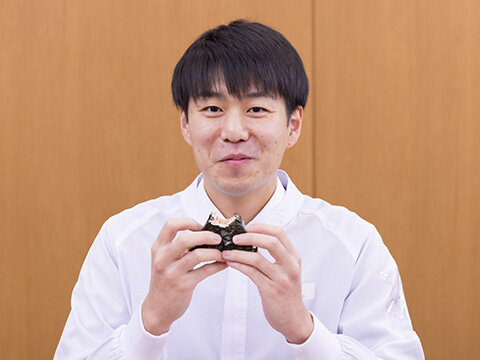
For those working at the factory, the reward is deeply personal. “When I see my own family enjoying a 7-Eleven onigiri without hesitation, I truly feel that my job is about delivering safety,” Hirano says with a smile.
Behind every onigiri lies countless small innovations, the care of dedicated staff, and a constant commitment to improvement. The next time you pick up a 7-Eleven onigiri, remember that it represents a small yet remarkable example of Japanese monozukuri craftsmanship.

Mezamē, Aspresso’s friendly mascot
We’ll keep working behind the scenes to make your next onigiri just as enjoyable. See you again at 7-Eleven!
Related articles