Beyond Convenience: A New Everyday Shaped by Multi-Function Copiers That Support "Oshikatsu"*
As a convenience store brand built around the idea of "convenience," Seven‑Eleven Japan has long delivered a wide range of products and services to everyday life.
The multi-copy machine is one of them.
Originally introduced as a way to make copies and send faxes, it has since evolved into a versatile “service counter,” supporting everything from Oshikatsu* to administrative procedures.
Today, it may be fair to say that it goes beyond the idea of convenience alone, playing a role as part of the social infrastructure.
The company that has developed and evolved these multi-copy machines alongside Seven-Eleven Japan is FUJIFILM Business Innovation Corp.
We spoke with both companies about their journey so far—and the path they are shaping for the future.
*Oshikatsu: refers to activities done to support or enjoy your favorite celebrity, character, or hobby—your Oshi (someone or something you passionately support)—such as attending events, buying merchandise, or sharing content online.
Making Everyday Life More Convenient: The Beginnings of the Multi-Copy Machine
"The multi-copy machines installed at 7-Eleven were not something we developed solely at the initiative of the manufacturer. We moved forward with development by listening carefully to requests from Seven-Eleven Japan and building on the latest copier technology available at the time."
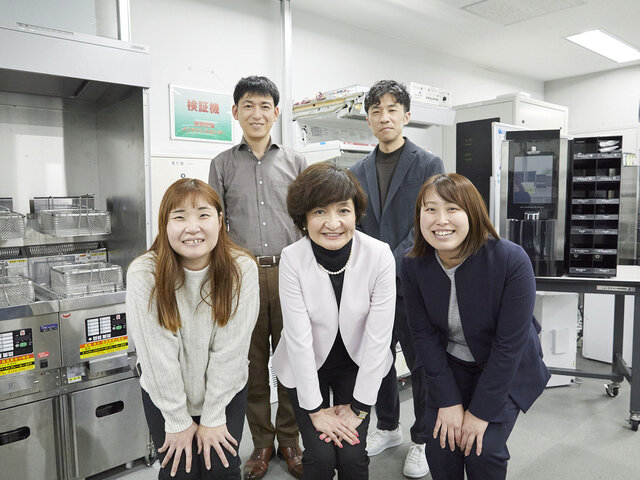
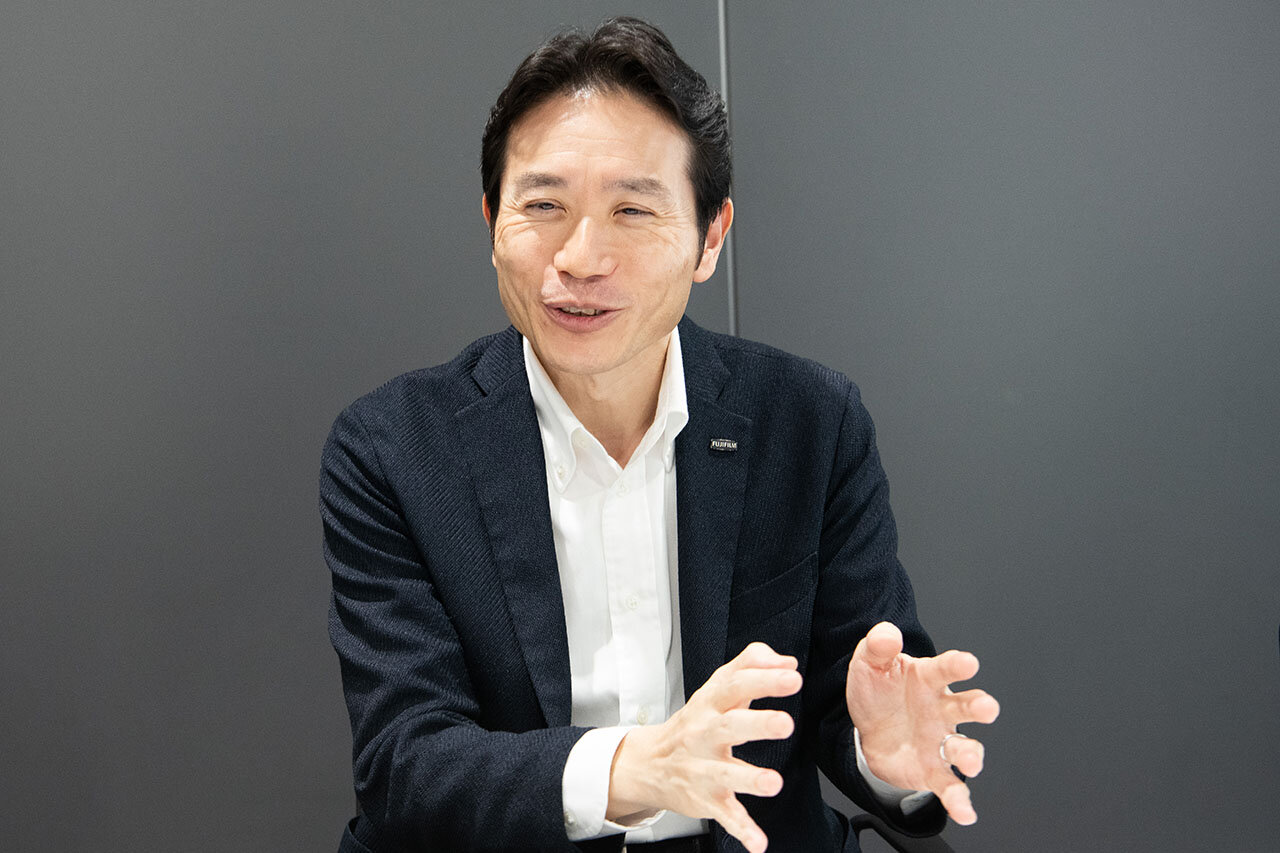
This was explained by Nagatani of FUJIFILM Business Innovation Japan Corp. Tokyo Headquarters, Arcade Services Department.
He is responsible for the marketing and sales of the multi-copy machines.
Nodding in agreement, Takikawa of the Marketing Division, Digital Services Department at Seven-Eleven Japan, continues:
"What Seven-Eleven has always valued is eliminating inconvenience for our customers. Copy machines were first introduced in our stores back in the 1980s, and at the time, we worked with a different manufacturer.
We reached out to Fuji Xerox—now FUJIFILM Business Innovation—because we had heard they might be able to develop a more multifunctional product than what was available before."
Nagatani
Copy machines initially had only one function—making copies. Over time, however, they evolved into multifunctional devices that could also handle faxing and printing.
As Seven-Eleven Japan took note of that potential, we received a wide range of requests from them, and through that process, the first-generation multi-copy machine was completed.
Takikawa
It’s called a multi-copy machine because it offers services beyond simple copying. In the second generation, we added digital camera photo printing, and from the third generation onward, administrative certificate services became available. More recently, we’ve also introduced Oshi-moji* Print for Oshikatsu. At this point, I think it goes far beyond the original scope of what the term "multi-copy machine" implies.
* Oshi-moji are custom text designs used to express support for your favorite person or character (your Oshi), often in photos, prints, or decorations—like adding names, slogans, or themed lettering to show fandom and love.
Nagatani
Looking back, I’m struck by how much evolution has taken place over 25 years—and by how long that journey has been. Multi-copy machines are precision devices by nature, and they’re not originally designed for environments like convenience stores, where there’s a constant flow of customers.
Yamashita from product planning can speak more about that aspect.
Maintaining Quality in the Unique Environment of Convenience Stores
Up until then, the multifunction devices developed by FUJIFILM Business Innovation Corp. had been designed primarily for office use. Expanding them into 7-Eleven stores meant they needed to operate reliably in any region and under a wide range of environmental conditions. For the company, this represented a new challenge.
Yamashita from the Device Technology Group, Product Planning Department, looks back on the development process and the difficulties involved:
"Multi-copy machines are often installed right next to store entrances, which is very different from an office environment. Taking that into account, they are designed with durability firmly in mind."
Yamashita
Beyond environmental factors, the design also takes into account the wide range of customers who visit 7-Eleven and use these machines.
Takikawa
In addition to the considerations Yamashita just mentioned, a great deal of attention has also been paid to ease of use, hasn’t it?
Yamashita
That’s right. We design the machines so that not only children, but people of all ages and backgrounds can use them without hesitation. I always keep in mind that my own family and friends are also users of these multi-copy machines.
Adding new functions and carrying out daily maintenance is not always easy, but knowing that people close to me interact with and rely on these machines is something I take great pride in.
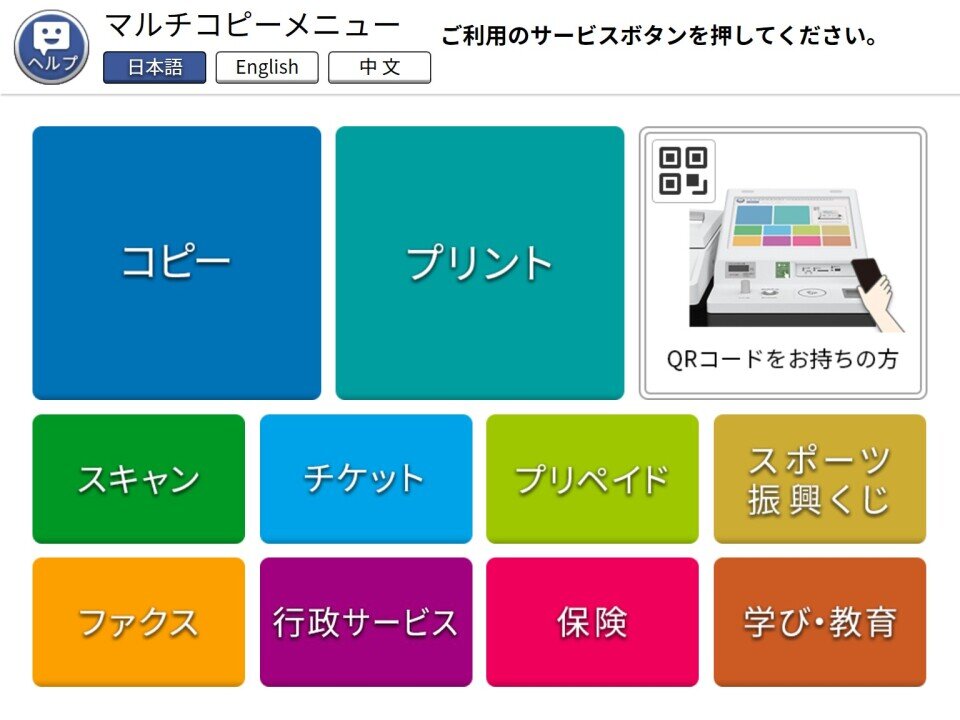
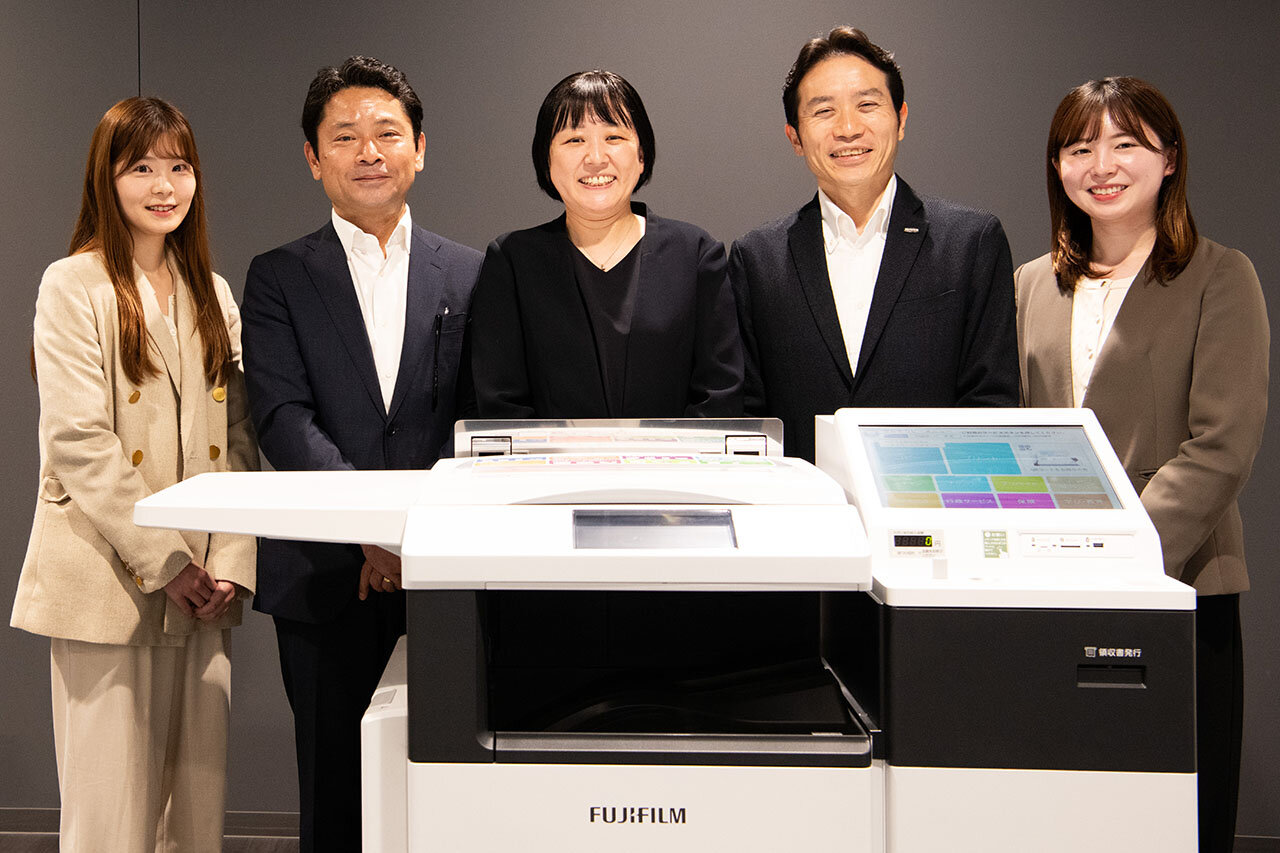
The multi-copy machine interface. Designed to be easy to read and intuitive to operate.
With the desire to make multi-copy machines accessible to a wide range of customers across many different use cases, a variety of functions have been added over the past 25 years.
From administrative services born out of customer requests, to FUJIFILM Business Innovation’s diverse photo printing capabilities, and even Oshi-moji printing that enhances the joy of Oshikatsu—these multifunction services have evolved from simple life infrastructure into something that delivers enjoyment to customers as well.
Driving these new forms of fun are Tsuchida and Kuno from FUJIFILM Business Innovation Japan Corp.
Delivering Joy: A New Print Experience Shaped by the Perspectives of a Younger Generation
Kuno
Among our company’s products, the multi-copy machines used at Seven-Eleven Japan are one of the few designed directly for the general public. That appeal is what led both Tsuchida and me to apply for this role.
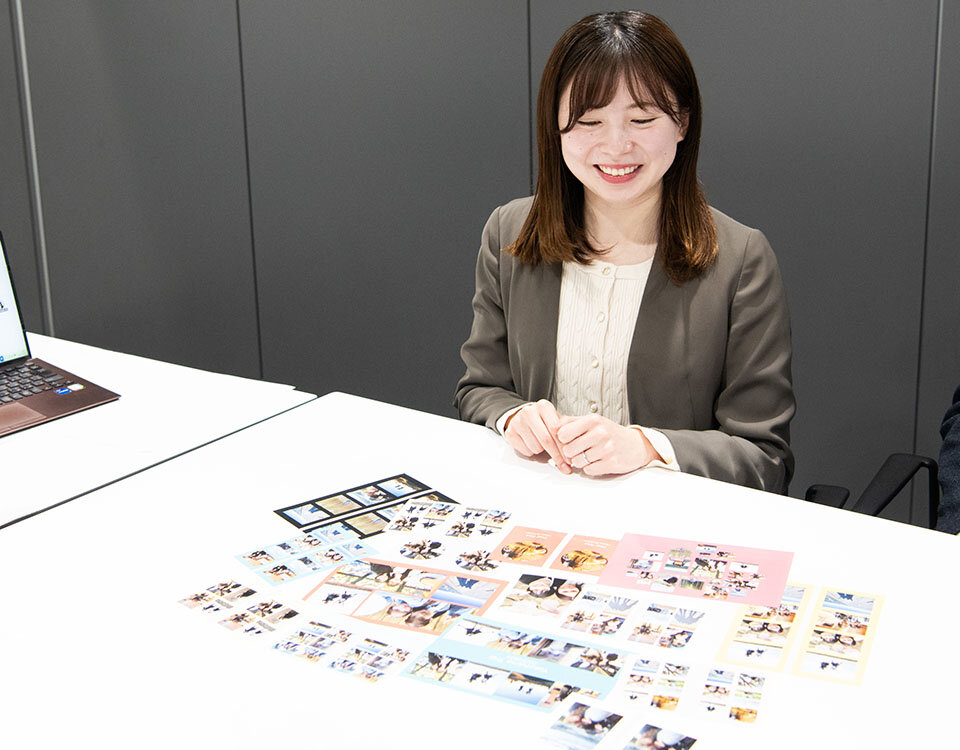
One feature I’d especially like to recommend is Share Print, which lets you share printed photos with friends. With options like Korean-style frames and the ability to add comments, you can create cute, personalized photos and enjoy sharing them with others.
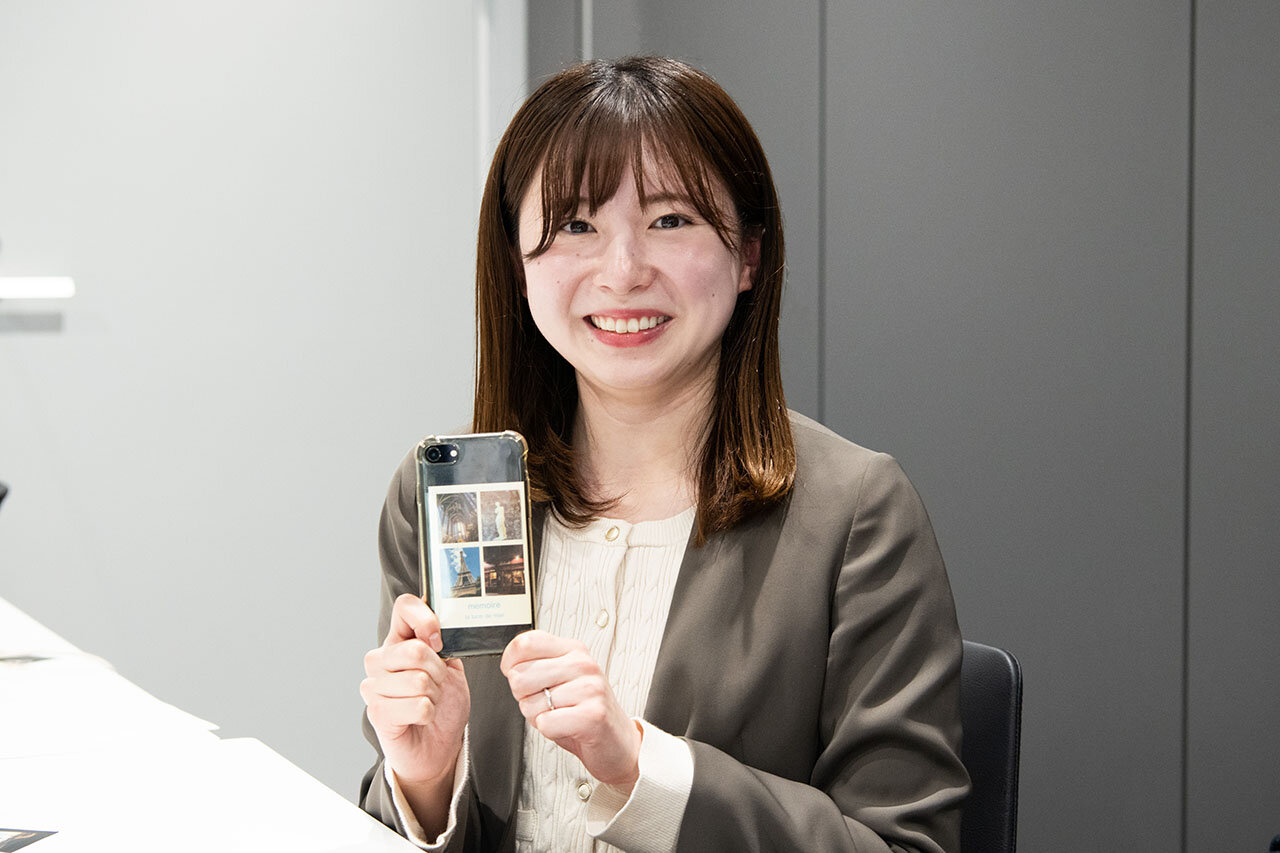
On Kuno’s personal smartphone are travel memories printed using Share Print.
Nagatani
We were already confident in the quality of our photo printing, but it was the younger members, including Kuno, who brought a fresh perspective. When they heard that Korean-style photo booths were becoming popular, they went out to research places like Shin-Okubo and Takeshita Street. From there, ideas kept expanding, which eventually led to the creation of Share Print.
In addition to Share Print, we also incorporated feedback from the younger generation into Shuffle Print, a feature that lets users pack multiple memories into a single photo print.
Takikawa
It’s not just because I’m involved with the project—I use Share Print and Shuffle Print myself as well. The quality is on par with what you’d get at a photo shop. I often print photos as gifts, especially for friends’ birthdays.
Kuno
That’s wonderful! I keep photos printed with Share Print tucked into the back of my smartphone, and I’ve seen other people using them in the same way. Seeing that in real life genuinely made me happy. I hope everyone enjoys them in their own way.
Nagatani
It’s inspiring to see how they incorporate people’s daily favorites and trends into their work. The Oshi-moji Print that Tsuchida oversees is something I never would have come up with on my own.
Tsuchida
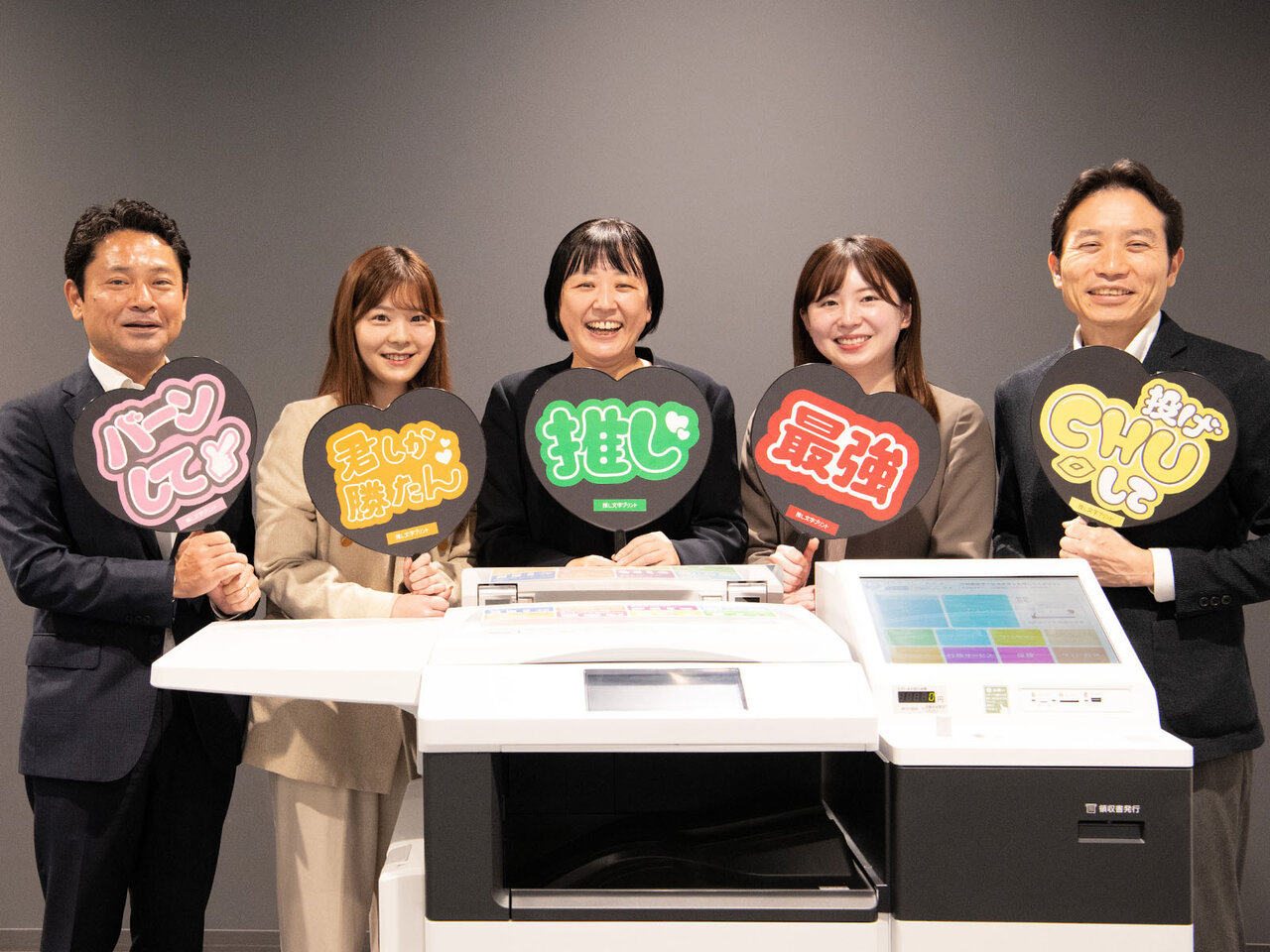
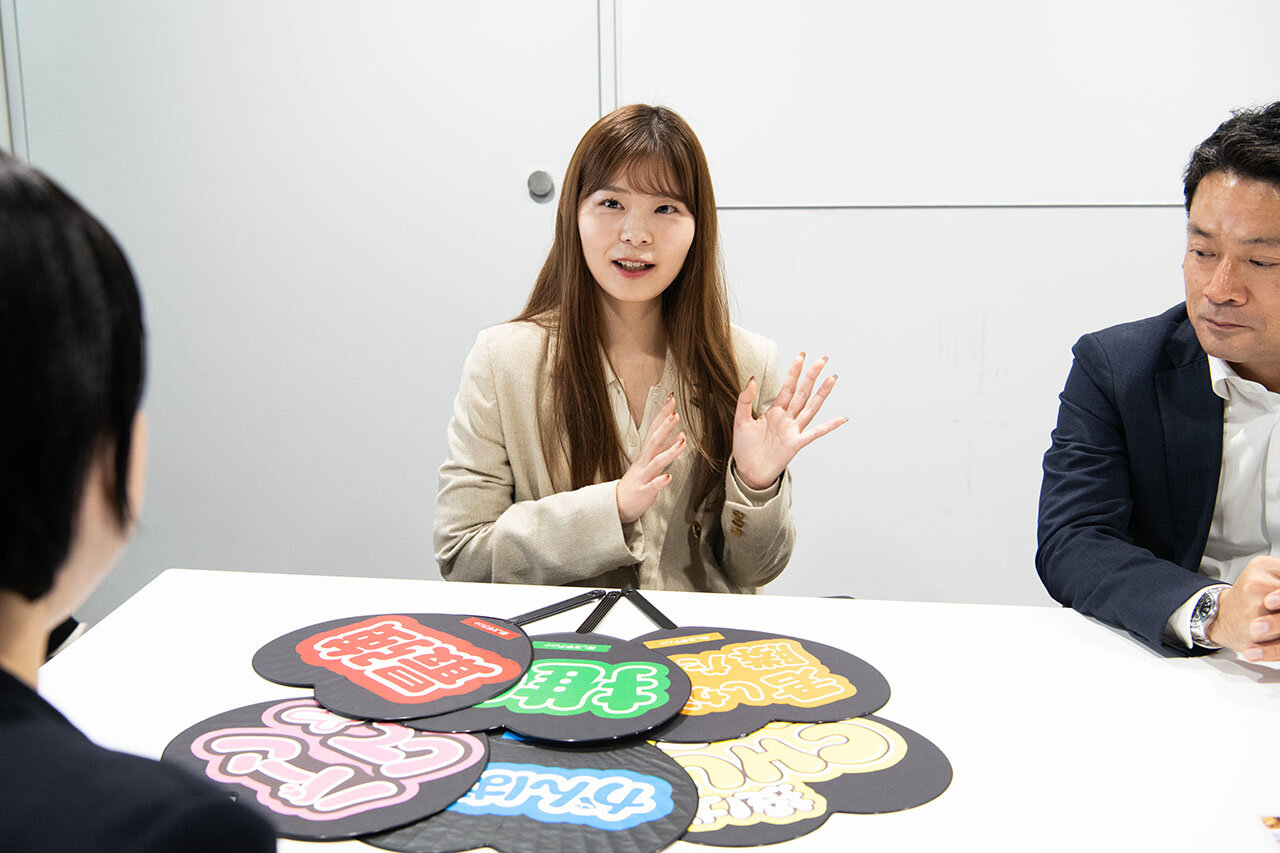
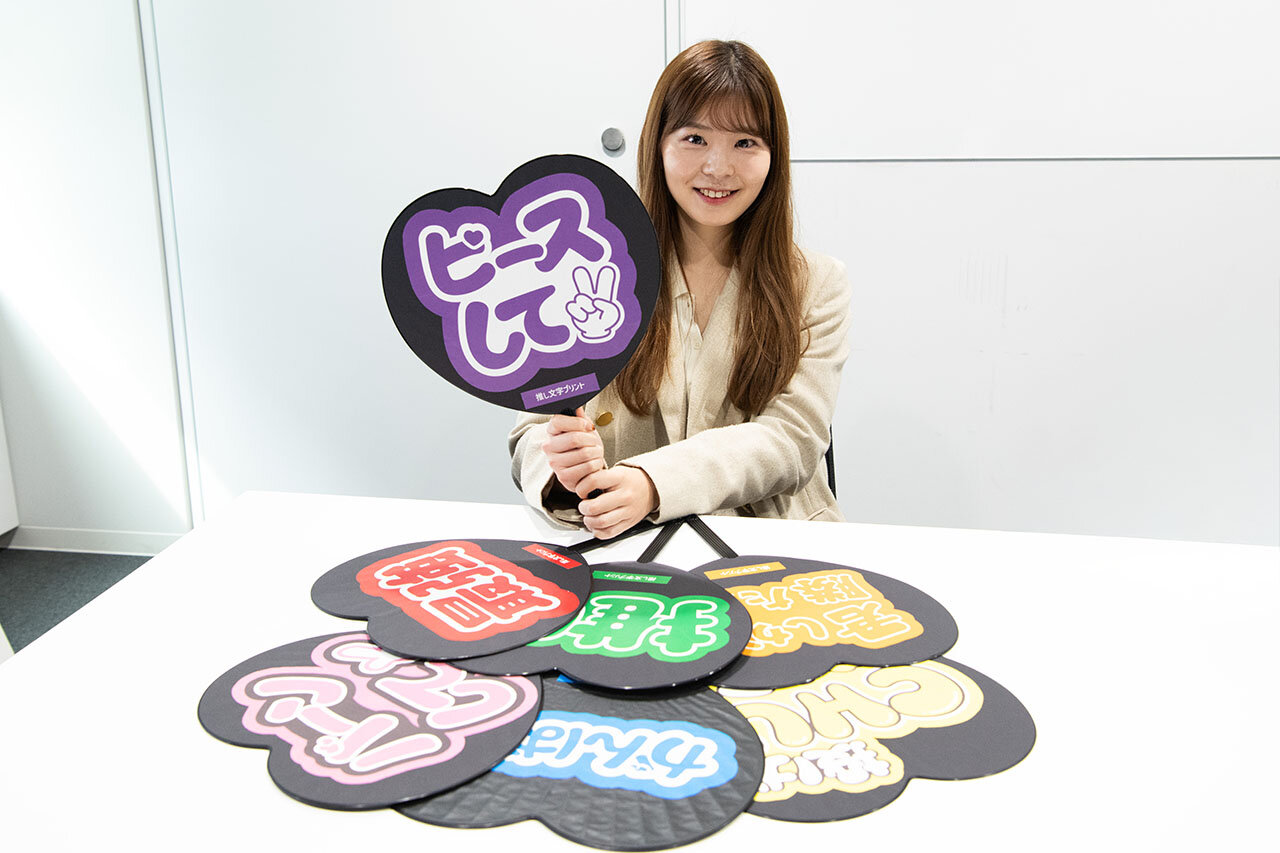
At idol concerts especially, fans prepare handheld signs to cheer on their favorites or catch their attention. Since people often stop by a convenience store before a live show, we started developing this feature from a simple question: what if you could easily prepare those signs at 7-Eleven?
Tsuchida
By simply printing the design and cutting out the text, you can create a fan sign right away. I think one of its biggest appeals is that you can prepare it even on the day of the event.
Nagatani
These Oshi-moji signs really do get artists to react. When we were invited to a live show by one of our business partners, Tsuchida brought a fan sign printed with the words "Peace, please." The artist actually responded by flashing a peace sign twice. I was genuinely surprised.
Tsuchida
Maybe it stood out a bit. We regularly add new color variations, and we now offer nine colors. I think that covers the image colors of most idol groups!
Takikawa
I love how both Kuno and Tsuchida genuinely enjoy using the machines themselves. If people feel comfortable interacting with the multi-copy machines in that casual way and then grow curious about other services too, that would make me very happy.
Creating Smiles: The Vision of Two Companies
Finally, we asked everyone to share their thoughts and hopes for the future of the multi-copy machine.
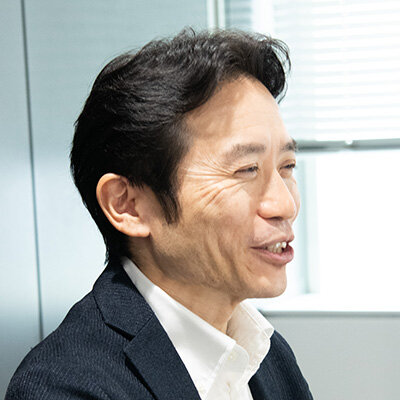
Nagatani
If we start thinking in terms of “this has to be done this way” or “this is the only thing we can do,” our thinking comes to a standstill. That’s why we share a common understanding with Seven-Eleven Japan: even if there’s some risk involved, we want to keep taking on new challenges. Whether it’s starting small or making major investments, what matters most to us is continuing to challenge ourselves.
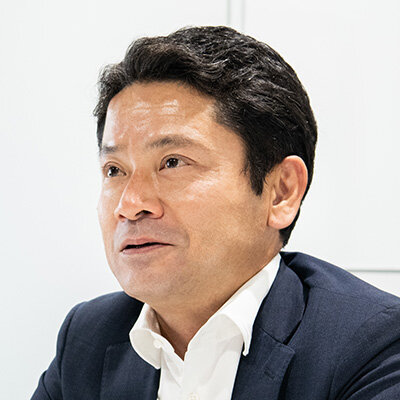
Yamashita
Everyone is more than welcome to make bold, even unreasonable requests. Our development team will take them on, working through trial and error to turn them into the next services and products.
Personally, I’d like to aim even higher, including improving usability.
Going forward, we’ll continue providing high-quality services for customers who use 7-Eleven.
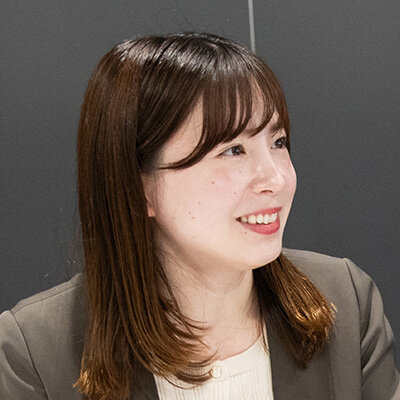
Kuno
I want people to know that multi-copy machines aren’t just useful when you need them—they’re also there for moments of fun. That’s why my keyword is “smiles.” I hope to create more smiles and make multi-copy machines feel even more familiar and close to people’s everyday lives.
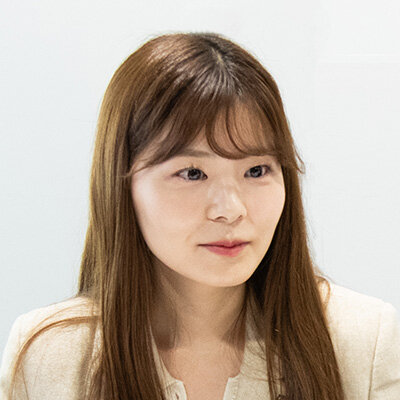
Tsuchida
When people hear the word Oshi, many might think of idols—but children and pets can be someone’s Oshi, too. If people use Share Print or Shuffle Print as part of those Oshikatsu, I’d be happy. I want to keep increasing the moments when multi-copy machines bring smiles to people’s faces.
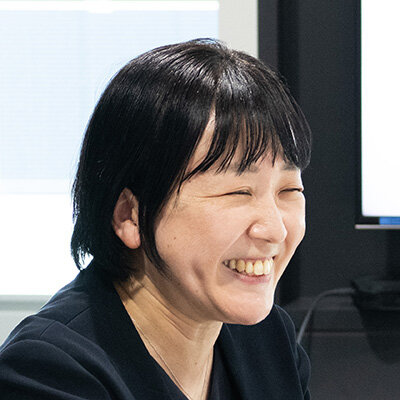
Takikawa
Thank you all. Services like Net Print and administrative procedures were initiatives that people initially said “could never be done.” But by overcoming those barriers, they’ve now become firmly established. From the very beginning, our goal has been to enable multi-copy machines to solve customers’ problems in a one-stop way, transcending limitations of time and place. That spirit has been passed down since the early days of development.
Going forward, we want to continue taking on challenges—not from a product-first perspective, but by always envisioning our customers’ smiles.
This text has been translated using an automatic translation tool.
Related articles