Calm on the Outside, Passionate Within: How Seven-Eleven Japan’s Hirai Approaches Product Development
From each employee’s starting point to where they are today—our series “Work Styles in Several Colors” explores the unique ways people shape their careers.
This time, we feature Hirai, a merchandiser responsible for product development at Seven-Eleven Japan. He oversees the Koshinetsu and Hokuriku regions.
His story begins in an apple orchard in Nagano.
Apple Orchards and 7-Eleven
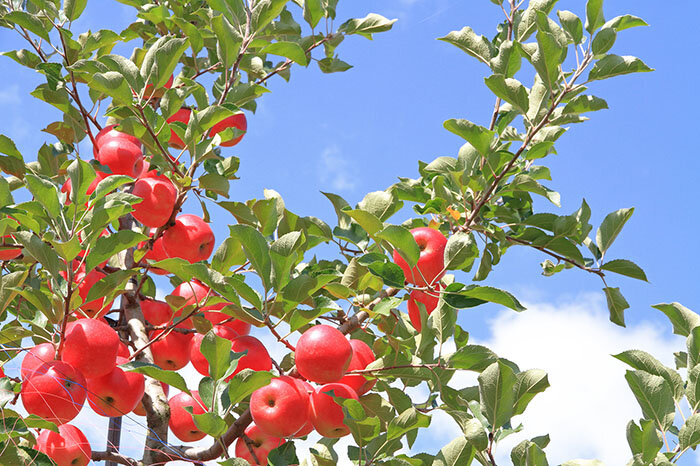
Source: Stock image PIXTA
Because he suffered from asthma as a child, Hirai spent most of his early years away from his birthplace of Tokyo, living in Nagano Prefecture.
Surrounded by the mountains, he breathed in the crisp air while biting into apples grown by his grandparents. Sometimes he would help them with farm work in the orchard. Through these experiences, he naturally learned about both food and work from a young age.
"My grandfather made unbelievably delicious apples. It’s been decades, but I still remember how amazed I was when I first tasted them. At the same time, he was very strict about his work and never allowed compromise when aiming for awards. I think he trained me quite a bit as well."
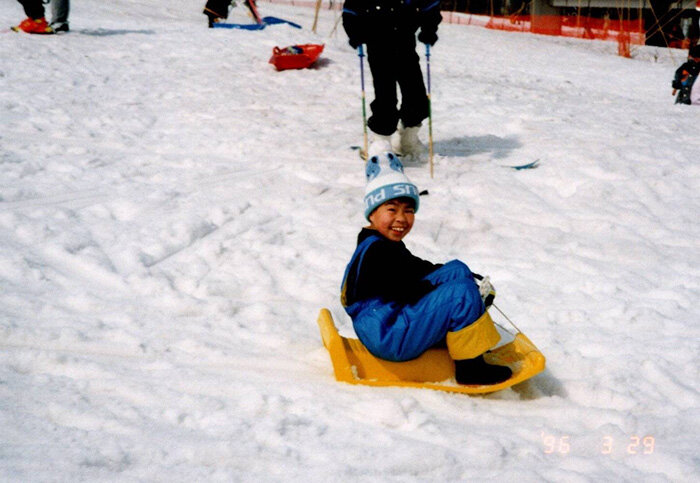
Sledding in the snowy mountains of Nagano during his childhood years.
Almost as much as the apples, Hirai also looked forward to visits to 7-Eleven.
"To me, 7-Eleven was like an amusement park where you could find anything. As a reward for helping in the fields, I was allowed to buy one thing I liked. Back then, I was obsessed with the beef kalbi bento and the salted pork kalbi bento."
While enjoying the apple orchards and 7-Eleven, Hirai gradually grew stronger. After finishing elementary school, he moved on to a school in Tokyo.
Although he initially hoped to pursue a career in music while in university, he ultimately chose to join Seven-Eleven Japan.
The deciding factor, Hirai recalls, was the joy he discovered while working part-time at 7-Eleven.
What 500 Melon Breads Taught Him
"I worked at several 7-Eleven stores, from urban locations to suburban ones. The turning point came when I was a third-year university student working at a newly opened store. Because I had experience, I was entrusted with placing orders for products."
One day, he accidentally placed an order for 500 melon breads—a mistake caused by entering an extra digit. The store usually struggled to sell even 50.
"It was the kind of mistake you’d normally get seriously scolded for. But the store owner didn’t get angry at all. Instead, he said, ‘Let’s try eating one together first, and then we’ll think about what to do.’ The melon bread was incredibly good. I still haven’t encountered a melon bread that tastes better than that one."
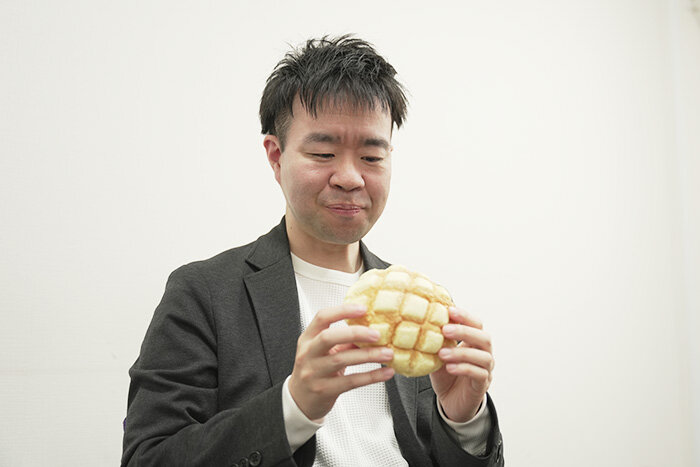
Determined to share that deliciousness with customers, Hirai sprang into action—going beyond his role as a part-time worker.
"I actively offered samples to customers, and even recommended the melon breads to people who came in to buy cigarettes. We managed to sell almost all of them. At that moment, I simply thought—this is an interesting job."
For Hirai, 7-Eleven shifted from being a place where he enjoyed eating delicious food to a place where he could make customers smile through food.
Reaching His Destination After Nine Years
After joining Seven-Eleven Japan in 2009, Hirai spent about nine years working as a store manager and later as an OFC* (Operation Field Counselor).
Since the day he joined the company, he had wanted to work in product development. While he admired the role of an OFC, the time spent there sometimes felt frustrating.
※ An OFC (Operation Field Counselor) is responsible for providing business management counseling to 7-Eleven franchise store owners.
"OFCs are like heroes who support the stores. But for me, my passion for products was simply stronger."
That passion was further intensified by an incident at a Niigata store he was overseeing at the time.
"While managing stores in Niigata, the store owner suggested improvements for certain products. But as an OFC, there were limits to what I could do. That’s when I realized—I needed to become an MD myself."
In 2018, Hirai was finally appointed Assistant Merchandiser (AMD) for the Koshinetsu and Hokuriku regions. Yet new challenges awaited him.
"I couldn’t understand anything discussed in product development meetings. I didn’t cook for myself, so I didn’t even know the basics of cooking. My senior colleagues told me, ‘Even if it’s something as basic as asking "What exactly is sugar?" just keep asking questions.’"
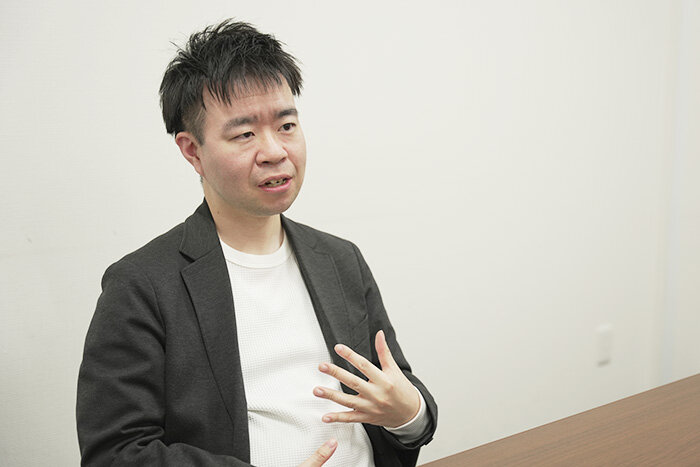
Hirai asked questions relentlessly—learning from senior colleagues and manufacturers alike.
Nine months later, he released his first product, Large Fried Rice Onigiri with Shrimp Chili. (Discontinued as of 2026)
"Niigata has a long tradition of large rice balls packed with plenty of white rice. At the same time, it’s a region with many Chinese restaurants. This product combined those two food cultures into one. Although it took time to bring such an unprecedented product to life, the experience helped me establish my own framework for product development."
That same year, the item became a major hit and was selected as an award-winning product—a moment when his nine years of perseverance paid off.
The Responsibility of Being an MD
In his second year as an MD, Hirai focused on cup deli* items—salads and side dishes served in cups—and achieved sales far beyond the previous year. However, the prepared foods category ranked last among all Seven-Eleven Japan regions, forcing him to confront the responsibilities of his role.
*Prepared foods such as salads and side dishes that come in cups. They are a separate category from prepared foods.
"I was the one deciding the lineup for the Niigata area. That meant I couldn’t just focus on one category—I had to think about the performance of every category."
To revitalize the struggling prepared foods section, Hirai was tasked with developing 35 new products. There was only one product developed in the previous year. Without hesitation, Hirai began building a team—reaching out not only to existing manufacturing partners but also to new ones.
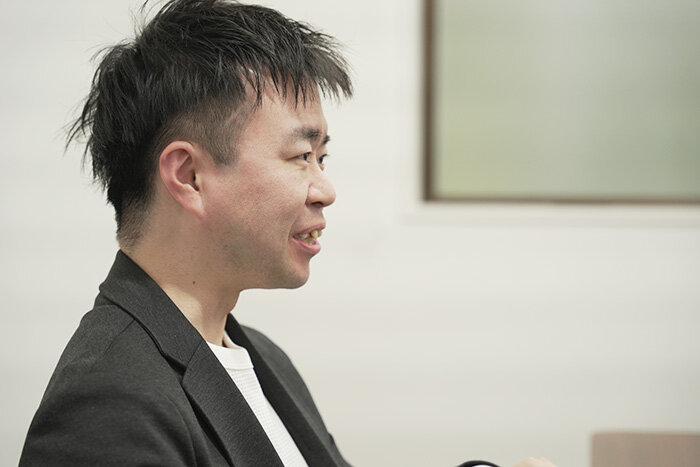
"I was determined to make it work. At first, some people felt uncertain, but as proactive manufacturers began developing new products one after another, the atmosphere changed. In the end, everyone shared the same level of passion, and we made it through that year together."
The following year, Hirai's team developed 40 products, surpassing the previous 35.
He continues to be responsible for the sales floor as the MD of the Koshinetsu and Hokuriku area.
The following year, the team surpassed their goal by developing 40 products.
Today, Hirai continues to take responsibility for the sales floor as the merchandiser for the Koshinetsu and Hokuriku regions.
The Color of His Working Style: Blue
Finally, we asked Hirai to describe his working style using a color.
"Product development involves many people—not just the manufacturers who develop the food, but also packaging suppliers and producers. I’m responsible not only for store sales but also for the businesses of everyone involved. That means I need to stay calm and assess the situation objectively, while burning with passion inside. It’s like a blue flame—and that’s the color that represents how I work."
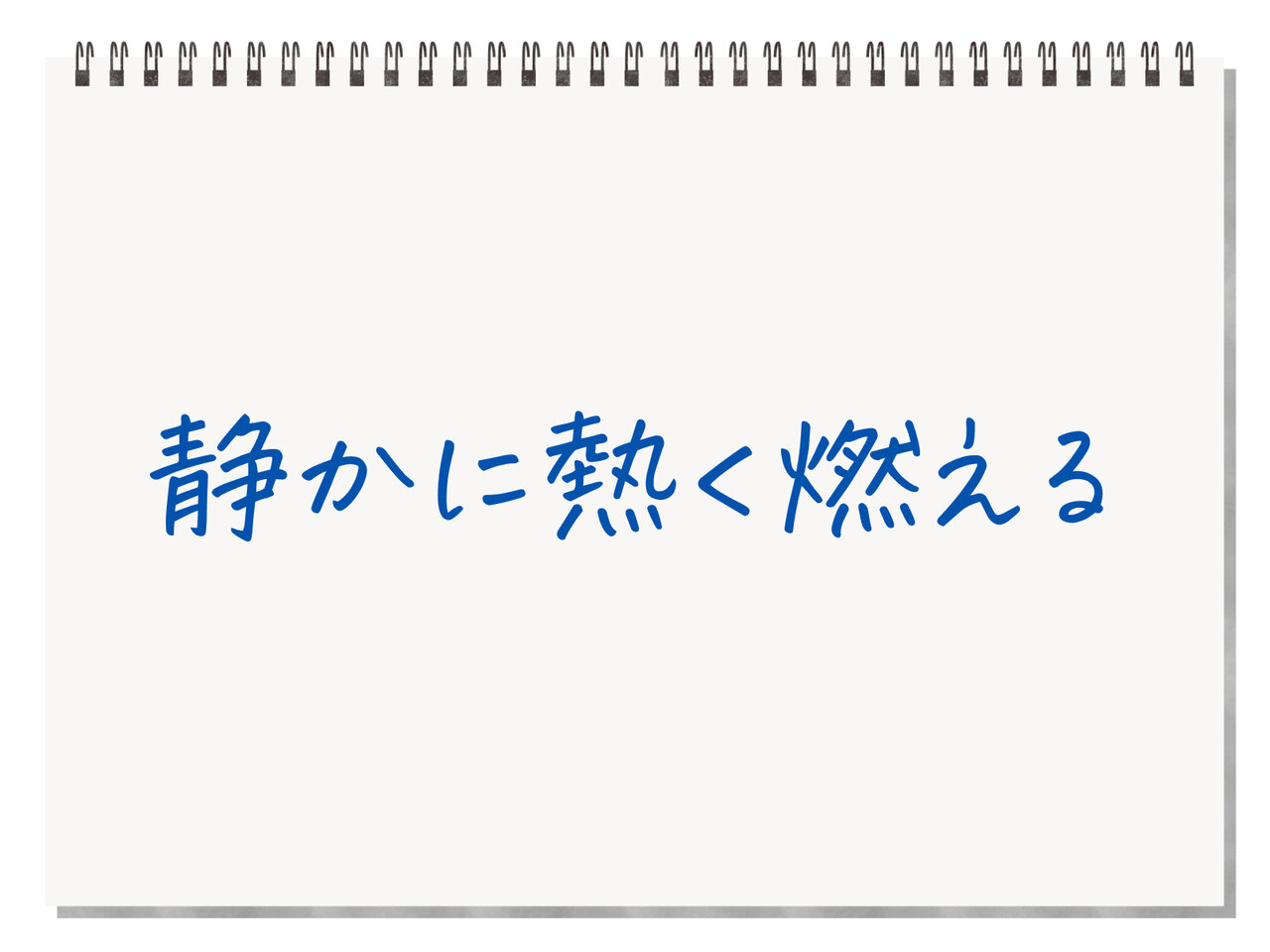
Burn with a quiet passion.
The story of Hirai’s blue flame, which began in an apple orchard, continues to burn brightly today.
This text has been translated using an automatic translation tool.