Supporting One Another Through Every Challenge: Perspectives from Seven-Eleven Japan’s Field Support Team
In our day-to-day work, we tend to focus only on what’s right in front of us.
What does the department next to ours actually do?
Which teams are supporting the work we do?
We may have a general idea, but few of us stop to think about it in depth.
"Up Close with the Team" introduces a variety of teams—from those newly formed to long-established groups—and explores the viewpoints that guide how they work.
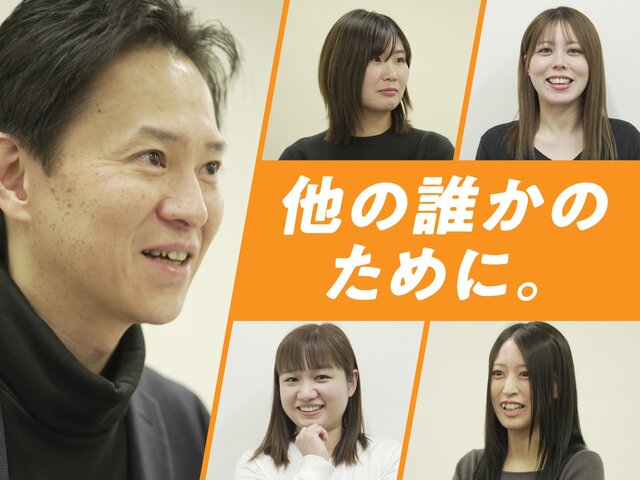
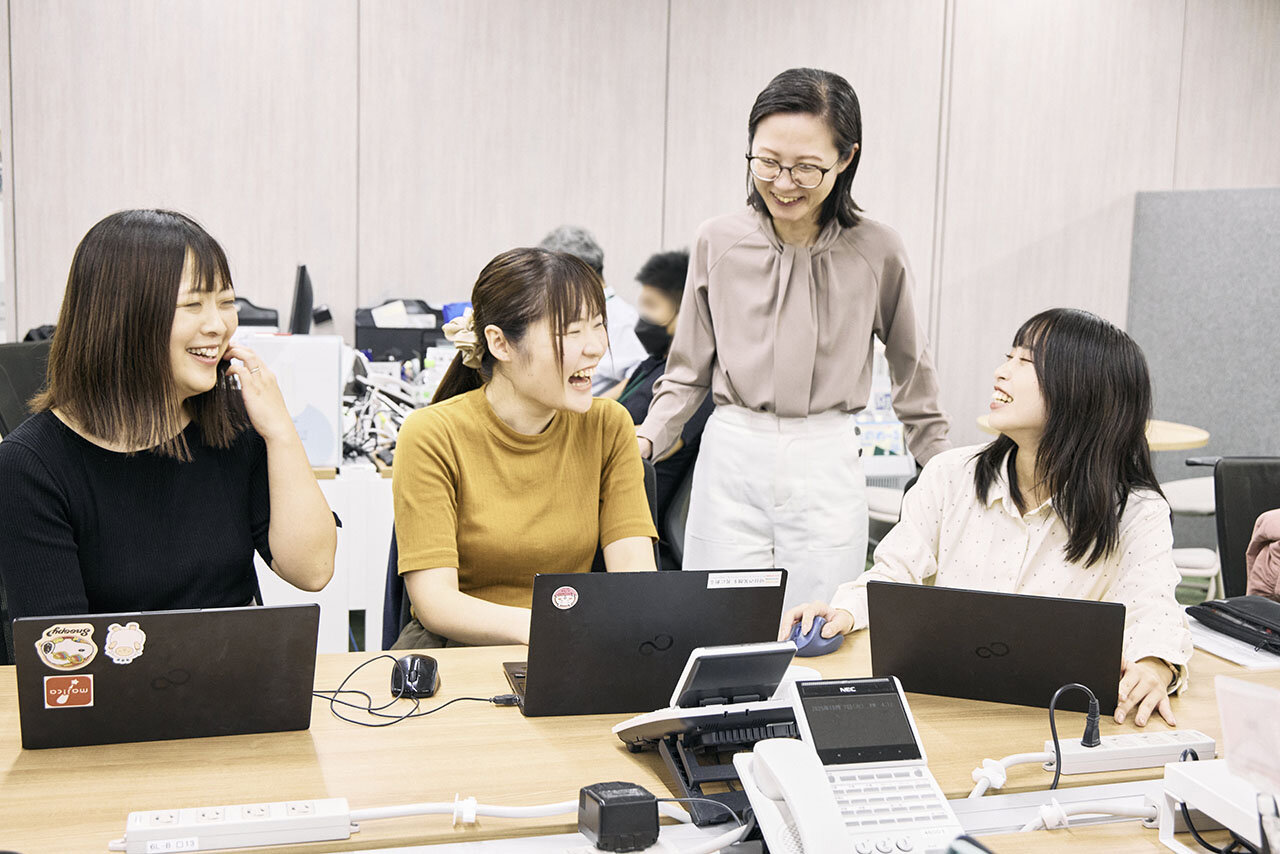
For the first feature, we spoke with members of the Field Support Team in the OP (Operations) Support Department at Seven-Eleven Japan. Although the team is large, with 22 members, it is known for its warm and welcoming atmosphere.
What perspectives guide them as they work together to support store operations as one team?
Here’s what the team shared with us.
"Supporting Others" Is Our Work
"Our role, as I see it, is to support the employees who directly assist franchise owners so they can carry out their work with confidence."
These are the words of Hirakuri, who previously handled accounting at the Koriyama District Office in Fukushima Prefecture. After supporting OFCs (Operation Field Counselors)* and serving as an instructor for register customer-service training for franchise owners, she joined the Field Support Team about two and a half years ago.
The Field Support Team is divided into five groups based on their respective functions, and Hirakuri belongs to "Team A," which mainly oversees reviewing and managing approval requests as well as sharing information.
*OFCs are employees who provide management counseling to franchise owners.
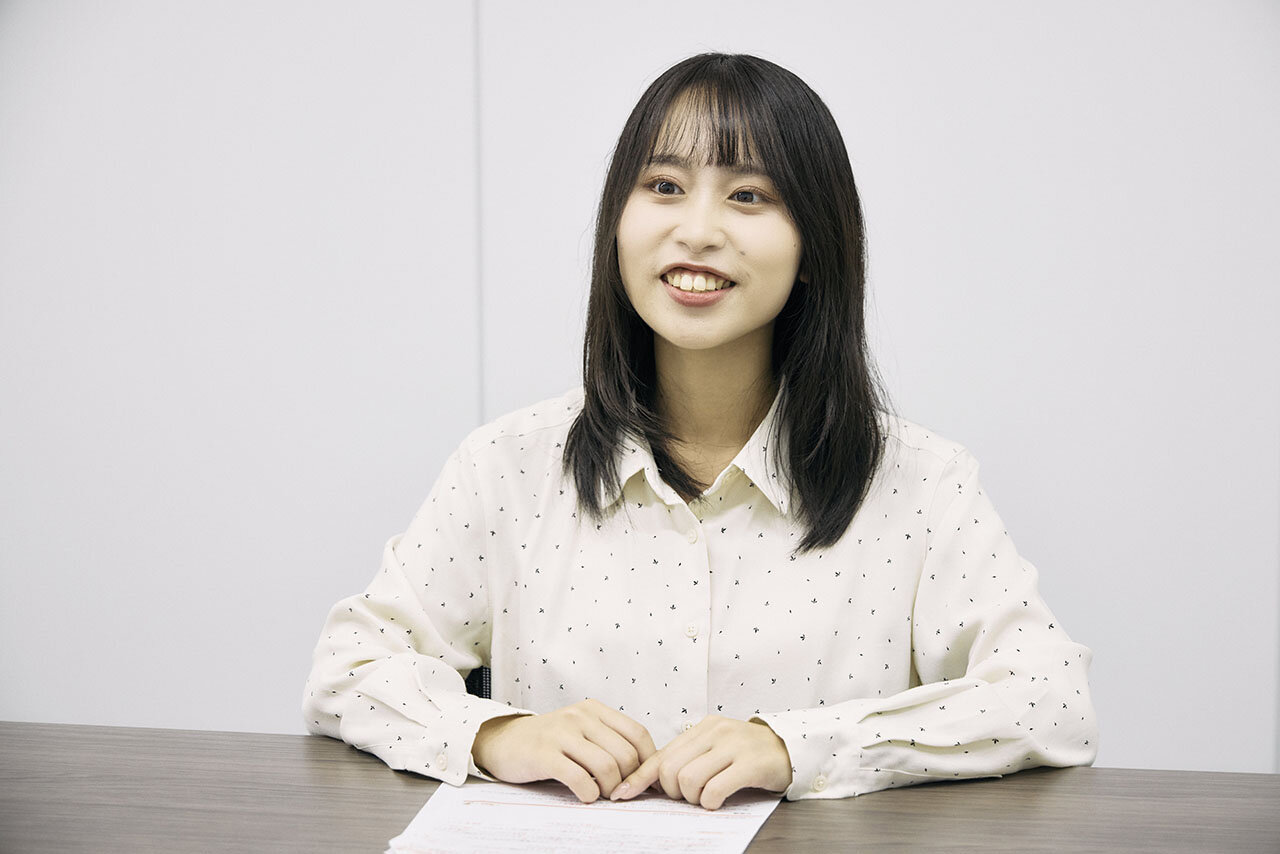
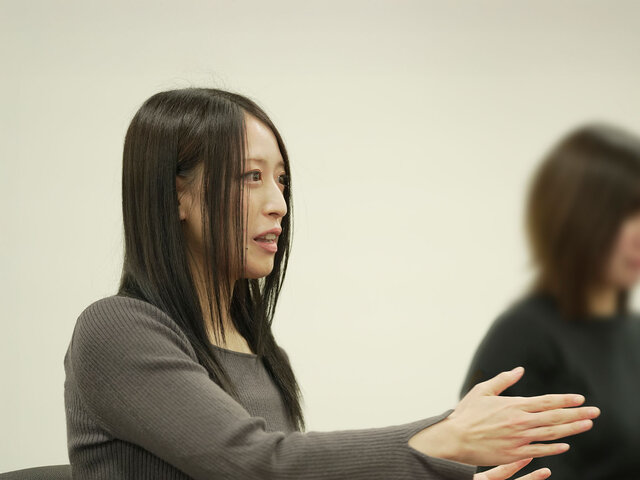
Although Hirakuri now says that "supporting others" is her job, she admits that in the past, she often didn’t fully understand the detailed circumstances of those on the supporting side.
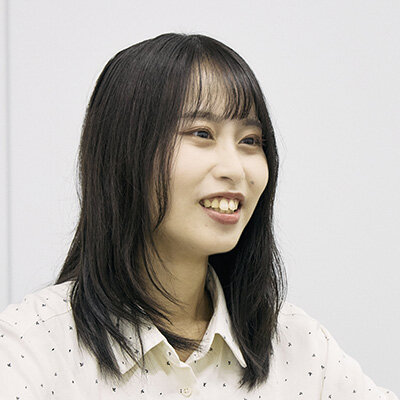
Hirakuri
When I was handling accounting work in Koriyama, my focus was entirely on the franchise owners, so I didn’t pay much attention to this department. But every now and then, I would see DMs (District Managers)* struggling with approval requests. I remember wondering at the time, What exactly are they having trouble with?
*DMs are the managers responsible for overseeing each region.
It was only after actually taking on this role that Hirakuri says she finally understood the reason why.
Even a small mistake in the wording of an approval request can risk damaging the relationship of trust with a franchise owner, disrupting operations, or even undermining confidence in the company as a whole. That’s why it’s essential for Team A to carefully review the contents at the initial checking stage. Requesting corrections when necessary is also one of Team A’s important responsibilities.
Hirakuri
Requesting corrections to approval documents can feel a bit uncomfortable—both for the person asking and for the person receiving the request. But it’s incredibly important to follow the rules properly. If we don’t, it can affect the entire company.
That said… when a huge number of approval requests come in at once, I’ll be honest—there are days when I think, ‘Please, no more for today!’
Hirakuri’s work involves far more than checking approval requests. She is constantly in motion—sorting documents sent from district offices across the country, issuing notices about changes to franchise store hours, and handling individual requests from the field. On top of that, whenever she has a spare moment, she joins cross-team meetings with external partner companies to work on operational improvements.
Despite this busy schedule, Hirakuri says, " really do feel fulfilled."
So why is she able to approach her work with such a positive attitude?
The answer lies in a shared "perspective" within the team.
A Changing Team with an Unchanging Atmosphere
"As Hirakuri mentioned, we see it as our responsibility to quickly identify and resolve the challenges faced by OFCs and other related departments. We’re essentially a ‘defensive’ team, focused on back-office support."
These are the words of Kobayashi, the team’s manager. As someone in a role that supports the front line, she has long devoted herself to daily operational assistance. Beginning last year, she has also driven improvements such as introducing a new system to assist with approval-document creation and significantly restructuring the team. Her efforts aim not only to support the field, but also to make the team’s own work environment more comfortable and efficient.
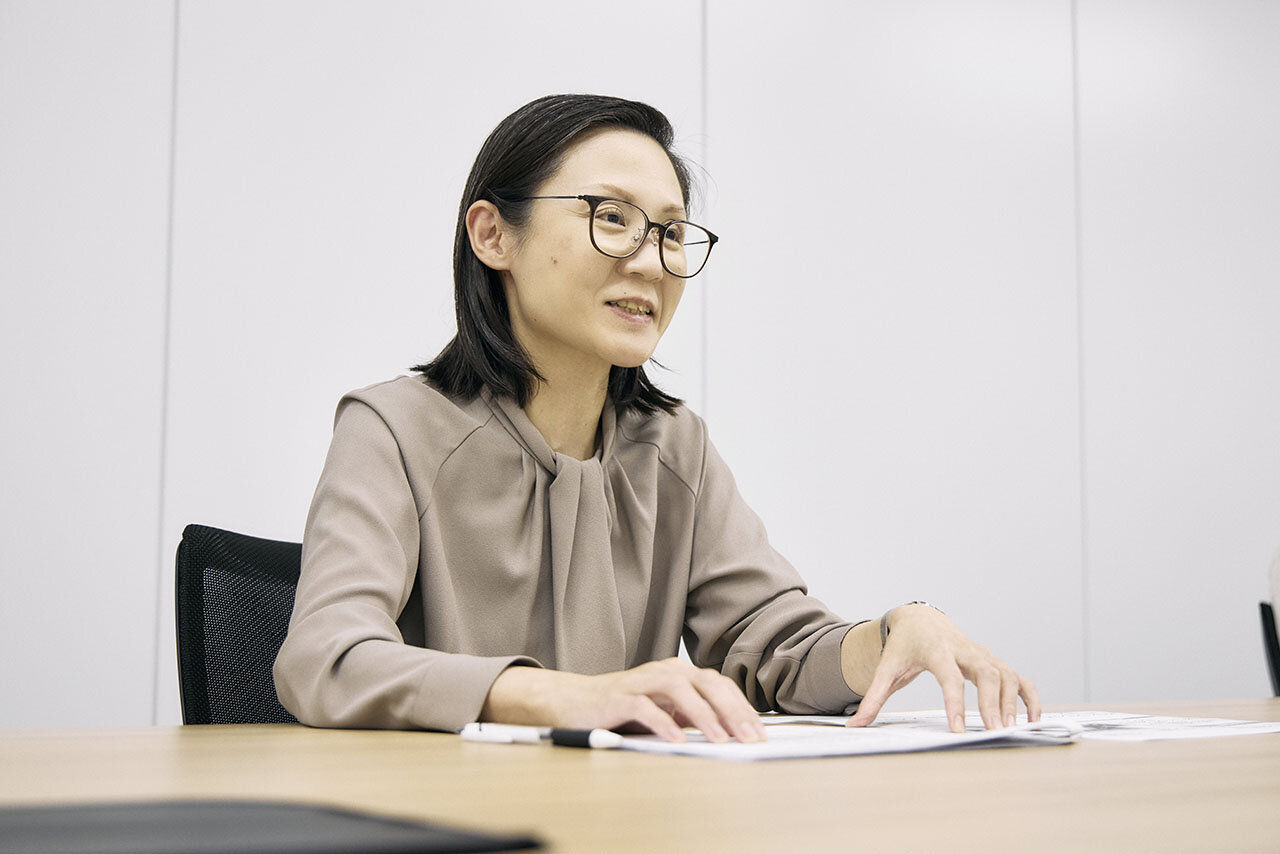
Kobayashi
Our team handles a wide range of tasks, including reviewing approval requests, sending the president’s welcome messages to newly opened franchise stores, and managing ceremonial notifications. Each task may seem small on its own, but every one of them is important, and the scope of what we cover is incredibly broad.
Until last year, this large volume of work was divided and handled by each regional area. As the team became increasingly busy with day-to-day tasks, Kobayashi began to think: "If we strengthen our back-office structure, we’ll be able to support the field even more effectively."
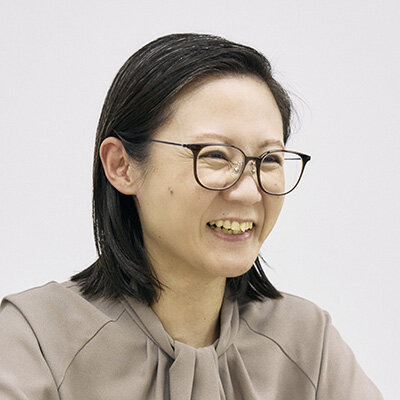
Kobayashi
I started to think that having all 22 members doing the same set of tasks might not be the most efficient approach. So we reviewed our workflow and reorganized it into the five-team structure we have now.
In the past, when someone was absent or when multiple cases overlapped, we sometimes found ourselves asking, ‘Who knows how to handle this task?’ But now, if someone is struggling, those around them can naturally step in and provide support.
That said, changing the team structure also means a significant change in how people work. Having experienced this shift within just a year of joining the department, how did Hirakuri feel about it?
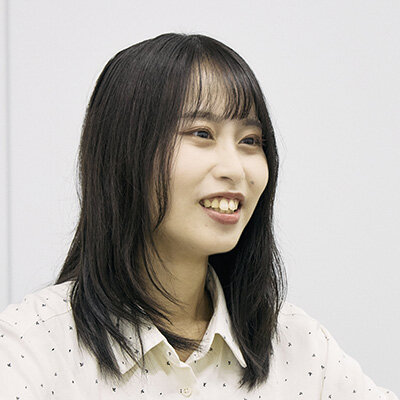
Hirakuri
I had assumed that the work done by Team A would be handled by more experienced members, so at first I honestly wasn’t sure if I would be able to do it.
What reassured her was the approachable, open atmosphere that had long been part of the Field Support Team.
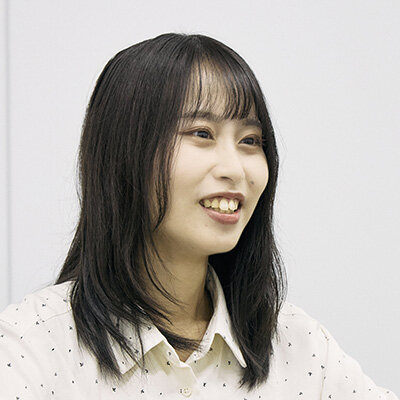
Hirakuri
In a typical workplace, you feel a bit nervous when you need to ask someone something, right? But it’s different here. So when I moved to Team A, I was able to get used to the work while getting help from the senior members.
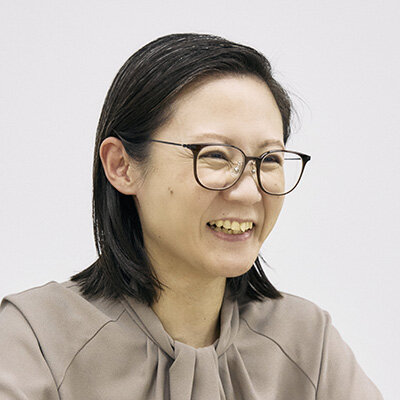
Kobayashi
I’m glad to hear you say that. But the truth is, we’re the ones being helped by Hirakuri as well. Whenever we try to improve or change something while working with different departments, people usually say, ‘We need a proper explanation.’ And every time, she creates the materials we need—clear, easy to understand, and incredibly helpful. We’re really grateful for that.
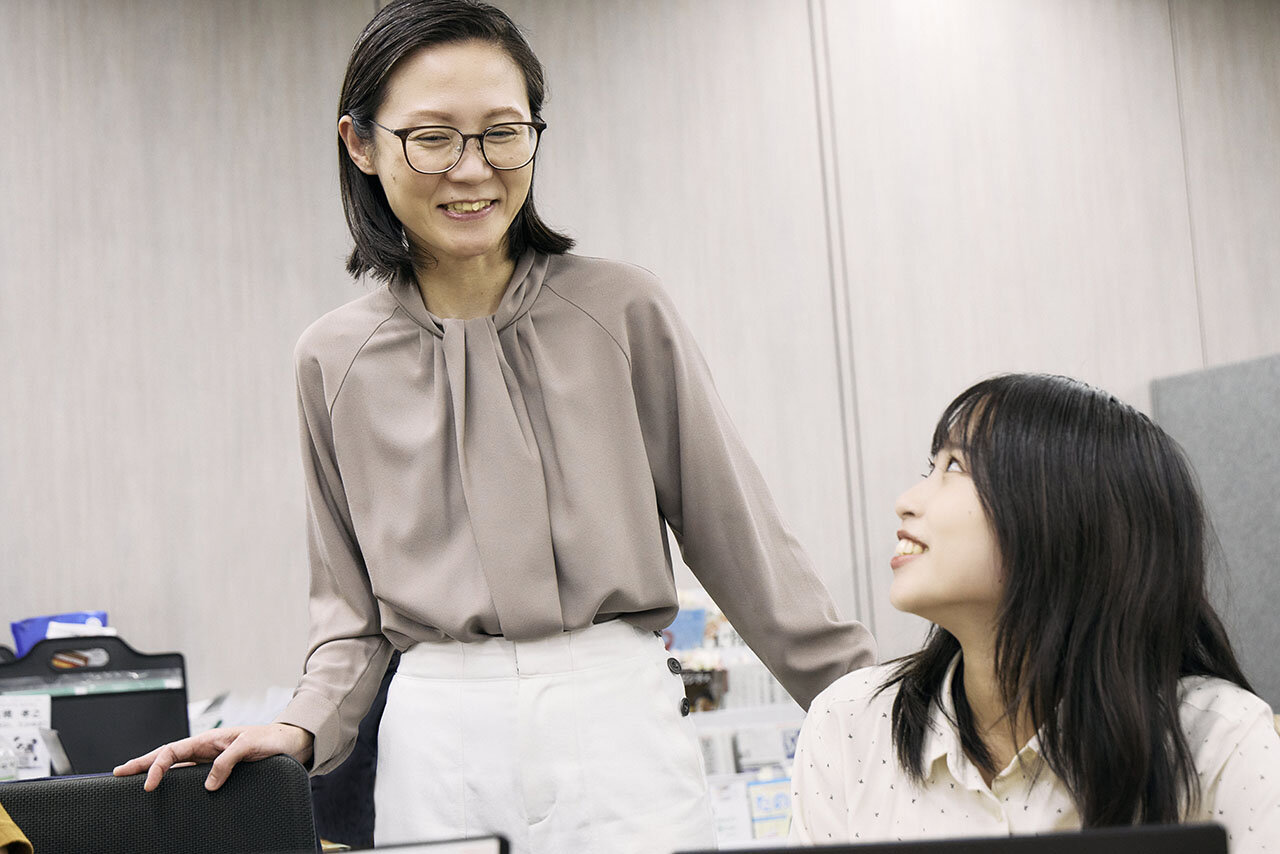
The perspective of mutual support has become a natural part of this team’s culture.
Before We Knew It, We’d Become One: A Team Bound by a Gentle Sense of Togetherness
Another defining feature of this team is the diversity of its members’ backgrounds.
After working as an OFC, Takeda took part in launching new stores before being assigned to the Field Support Team.
Sudo, on the other hand, came to headquarters after working at the Yamagata District Office, building her career primarily in back-office roles.
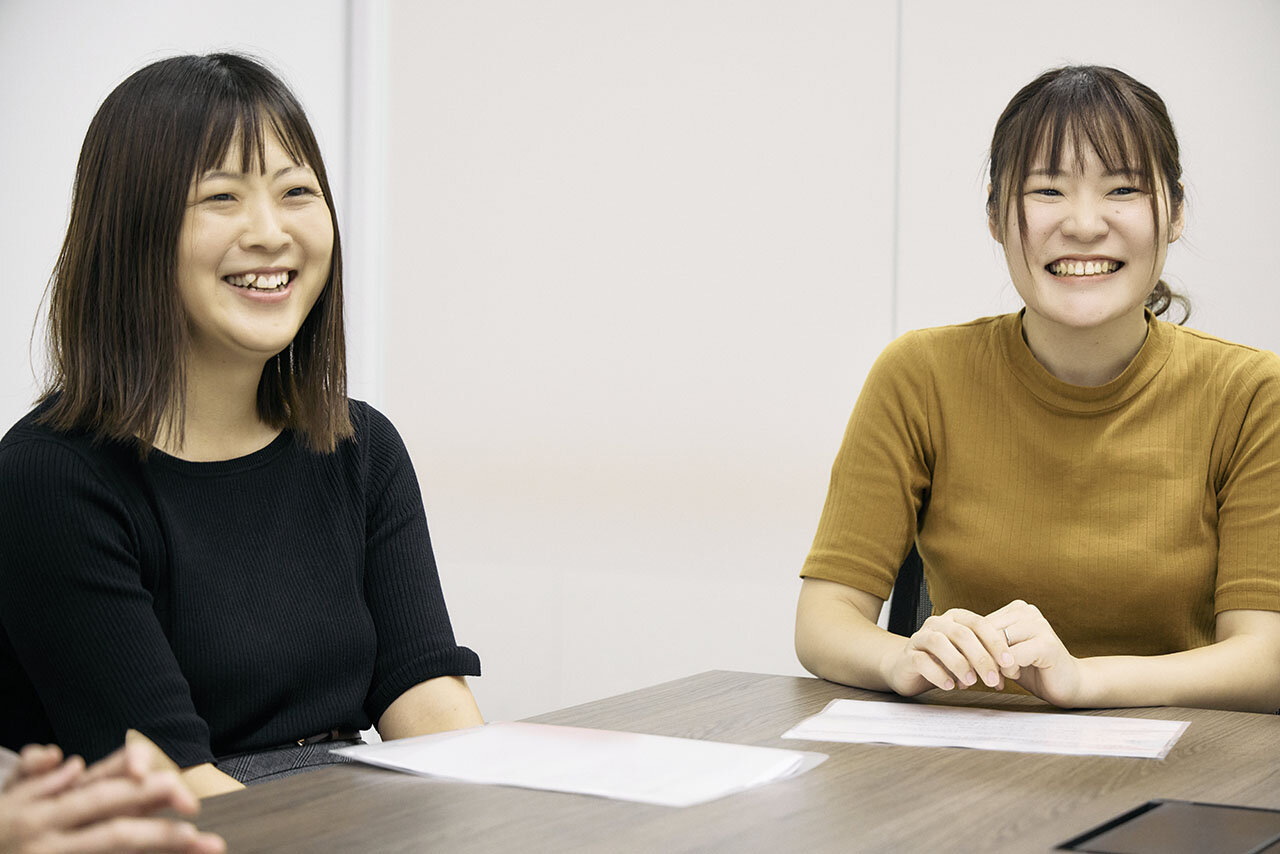
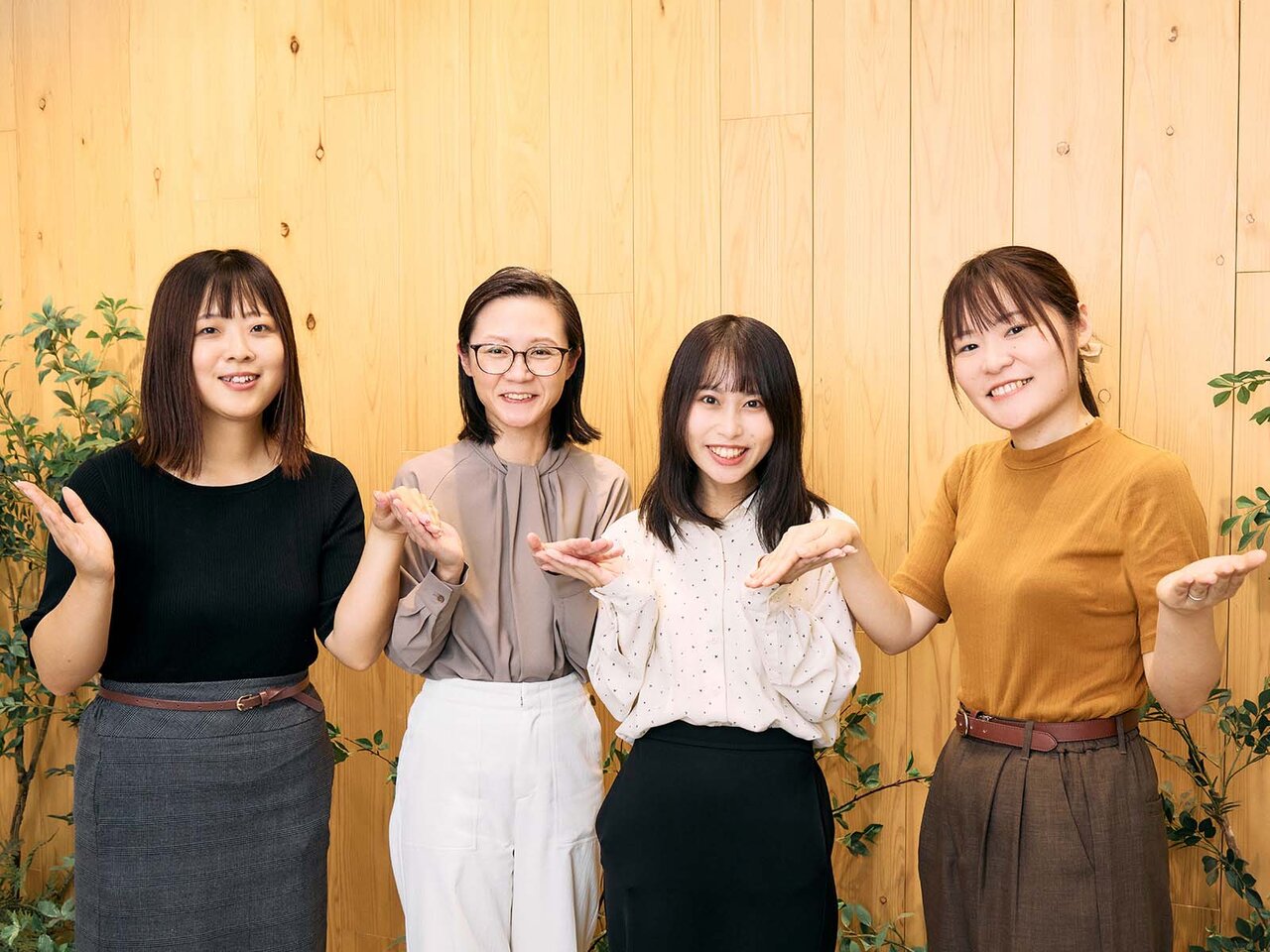
From left: Sudo and Takeda.
Since joining the Field Support Team, both of them say they were struck by the team’s approach to work—and by the natural atmosphere of supporting one another.
Takeda
At first, I assumed it would be mostly routine work. But once I joined, I found myself involved in launching new workflow systems, digitizing paper-based application forms, and many other tasks that required creating something from scratch. In that sense, the constant problem-solving reminds me of the interactions I had with franchise owners during my OFC days.
Sudo
I felt exactly the same way. Everyone on the team is constantly thinking about what we can do to make the company better.
And when I first transferred here, I wasn’t sure what it would be like to work in a department made up entirely of women—but I was pleasantly surprised by how close everyone is. Some members, like Hirakuri and Takeda, even become good friends.
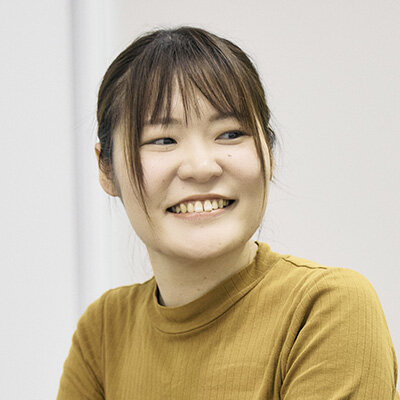
Takeda
Hirakuri and I were assigned to the team at the same time, and she’s incredibly quick and reliable in her work. Sometimes after our shifts, we go out for dinner together and talk about whatever’s on our minds.
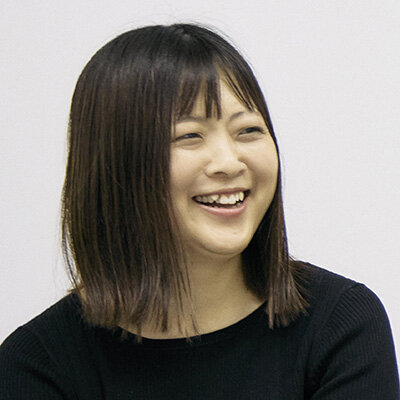
Sudo
Hirakuri is amazing on the phone, too. She always speaks with such a bright, friendly tone that if I were working in the field, I know she’d be someone I’d feel comfortable reaching out to for help.
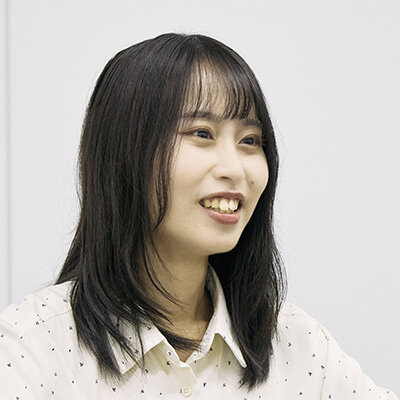
Hirakuri
I rely on you both just as much. I’m the type who tends to overthink things, and whenever I talk to Takeda about it, she always lifts me up, saying, ‘You don’t need to worry about that!’
As for Sudo, back when I was in the district office, I often heard people in the field say, ‘If you ask Sudo, you’ll be fine.’
When I finally met her, I realized why—she listens without dismissing anything.
I really love both of you!
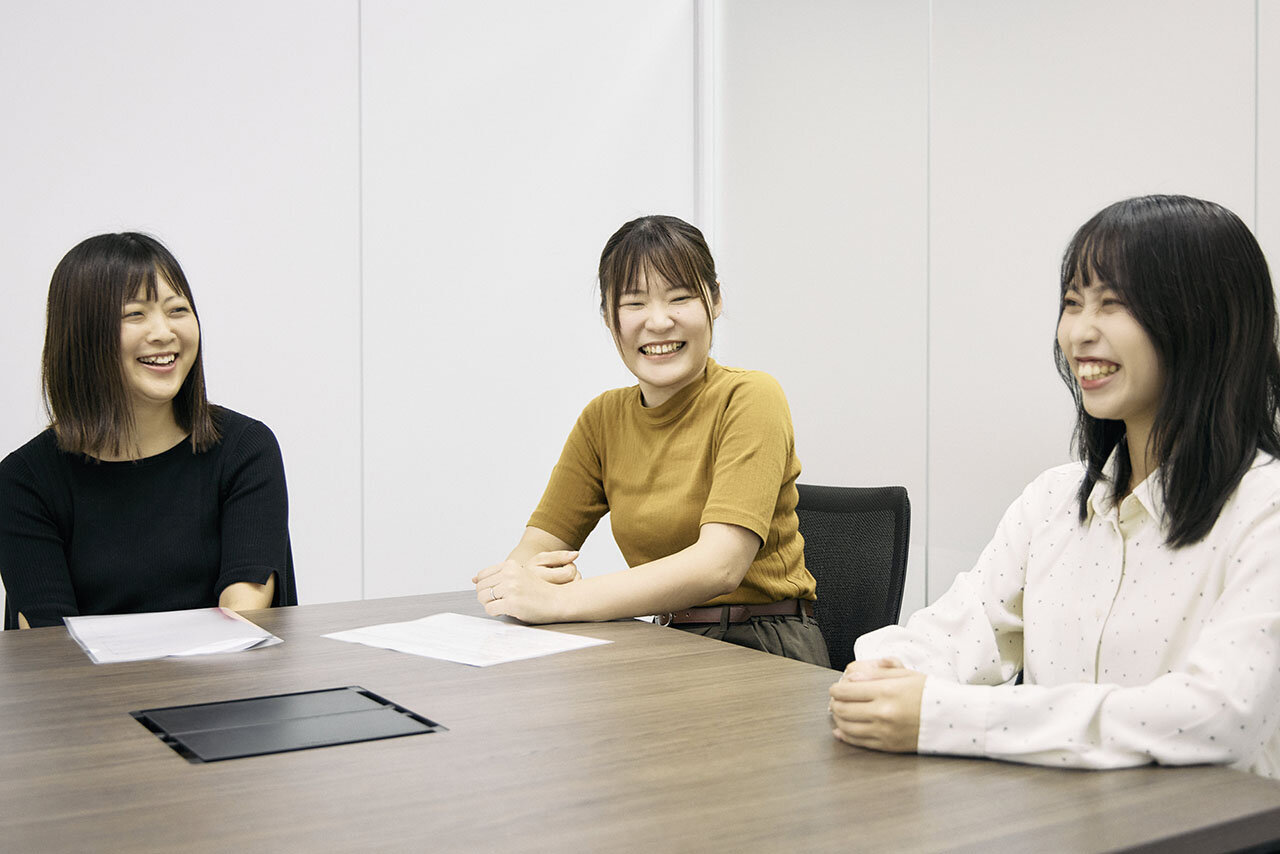
Even though each member comes from a different background, they naturally come together as one. That, too, may be one of the defining qualities of this team.
The Perspective of the Field Support Team
Lastly, we asked the Field Support Team about the challenges they hope to take on in the future.
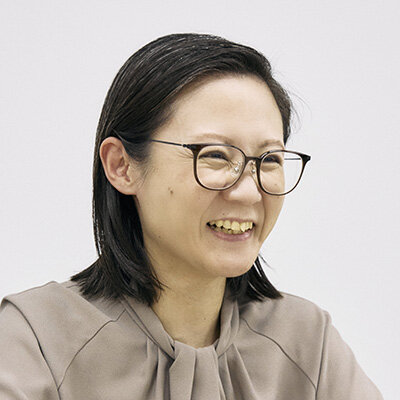
Kobayashi
Making our work more efficient also helps make the work of people in the field more efficient. For example, if we can reduce the time needed for approval processes, they can dedicate more time to their daily tasks.
The Field Support Team is currently driving a wide range of initiatives—from introducing a new system to support approval processes, to promoting paperless operations, automating registration tasks, and reorganizing workflows across departments.
These efforts represent a major challenge that significantly transforms the way things have been done up to now. It’s the kind of change that could easily lead to uncertainty, yet Kobayashi says, "Everyone is moving in the same direction and following along with us."
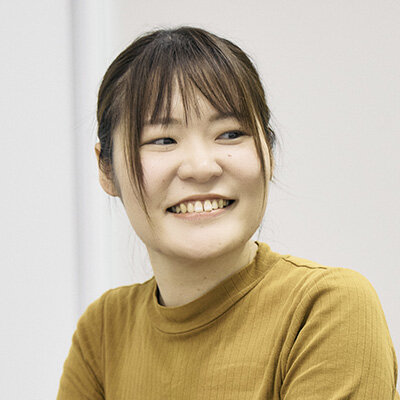
Takeda
I think it’s really important to build systems that don’t leave people in the field feeling confused or unsure. Even though our team is working on various improvements, we still sometimes receive questions like, ‘How do I submit this request?’
I want to reduce those instances as much as possible and continue supporting everyone on the front line.
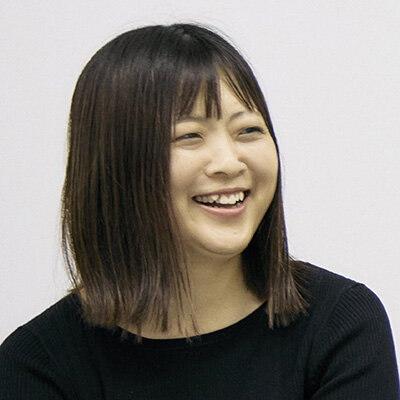
Sudo
I feel the same way. I’m currently involved in building a certain system, but it’s still far from perfect. From the standpoint of those working in the field, I’m sure there are many aspects that feel inconvenient or difficult to use.
I want to create a setup where they can submit various requests easily—without hesitation or stress. That’s the kind of system we’re aiming for.
What about you, Hirakuri?
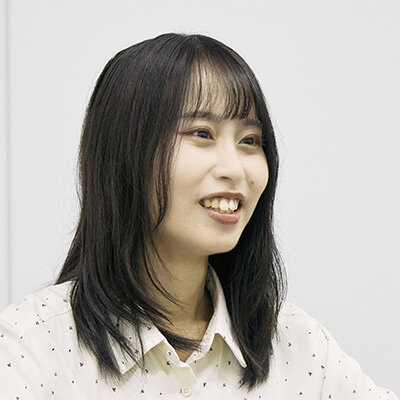
Hirakuri
You’ve both already said everything I wanted to say!
Well… this is a bit personal, but I’m actually a very timid person by nature. I’m not someone who naturally enjoys taking on new challenges. But I’ve come to realize that when you take the leap, even if you fail, there’s always something to gain from the experience.
So I want to keep taking on challenges within this team—without being afraid of making mistakes.
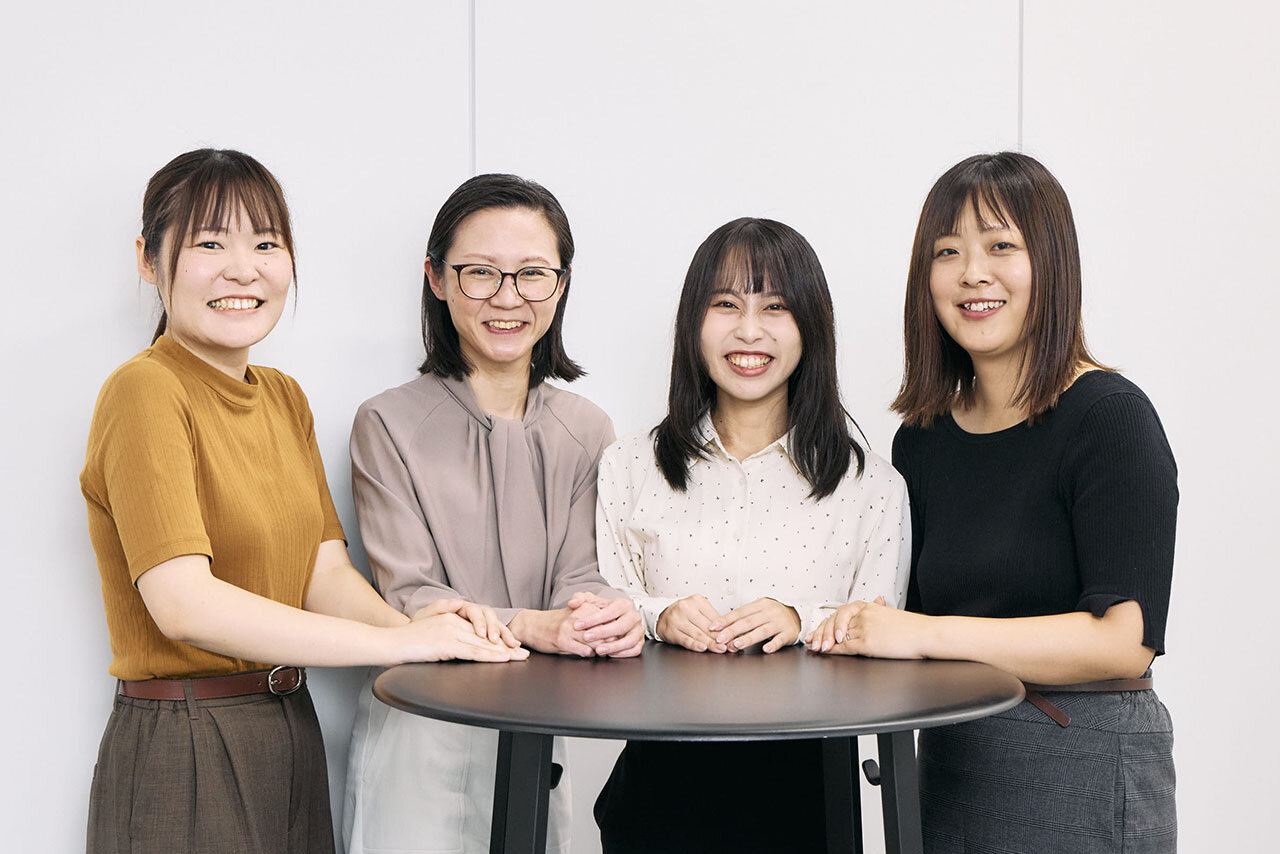
To support those on the front lines, they continue taking on new challenges while supporting one another as teammates.
This shared "perspective" will continue to guide the team in the years ahead.
This text has been translated using an automatic translation tool.
Related articles