Toshifumi Suzuki and the Making of Japan’s Convenience Stores
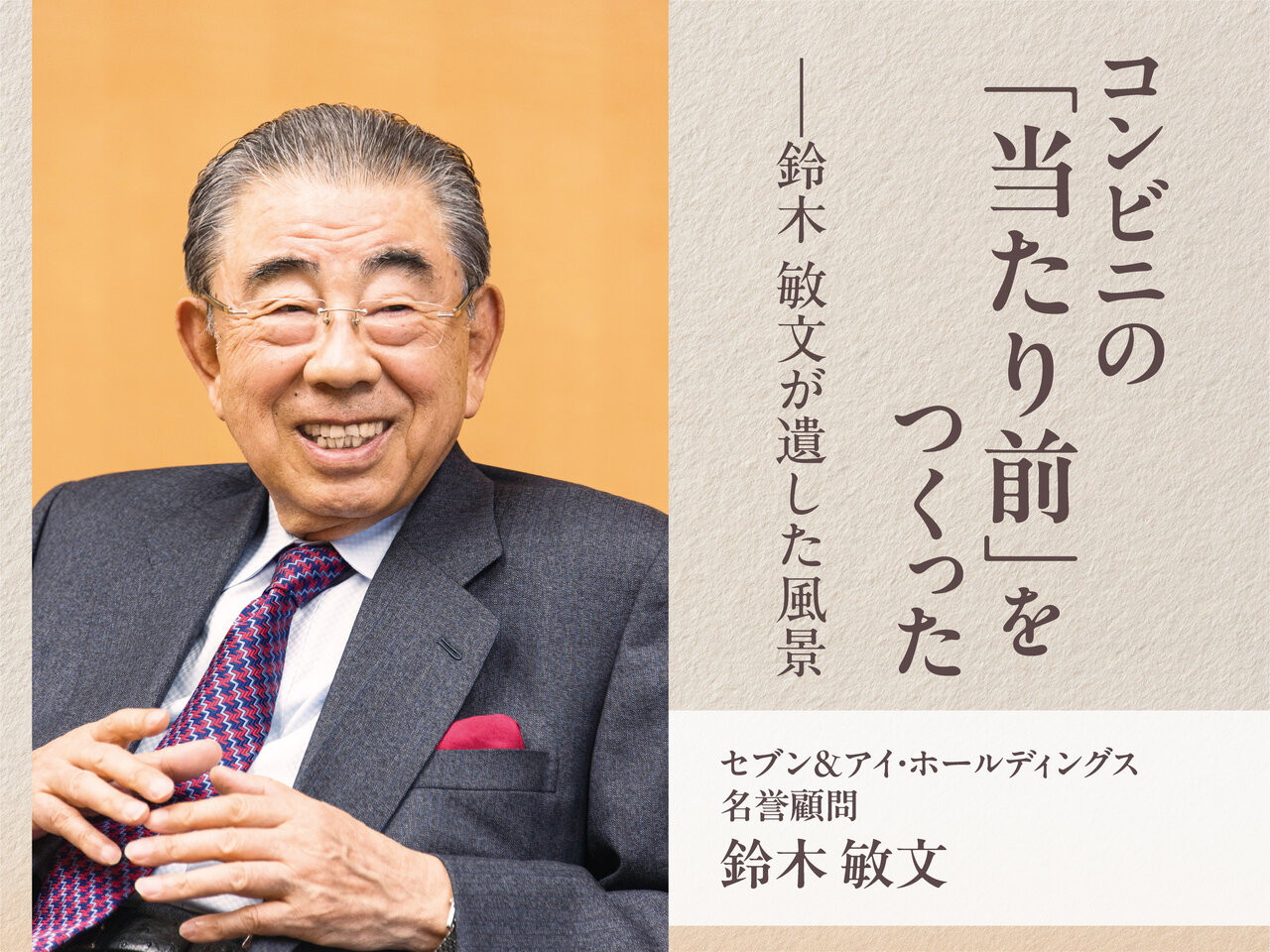
Toshifumi Suzuki, who brought the 7-Eleven concept from the United States to Japan and helped shape it into the uniquely Japanese convenience store format, passed away on May 18, 2026.
Today, Japan’s convenience stores are known around the world for offering far more than snacks and drinks. Over the past five decades, the format has evolved to meet a wide range of everyday needs.
Many of the products and services now taken for granted did not exist when the first 7-Eleven opened in Japan. By focusing on changing customer lifestyles and needs rather than established retail practices, Suzuki helped expand what convenience stores could offer. This article looks back at some of the ideas and innovations that helped shape the format.
From a Single Store to an Everyday Part of Life
The journey began in 1974 with the opening of Japan’s first 7-Eleven in Toyosu, Tokyo. More than half a century later, the chain offers a wide range of products and services that were not available at the time.
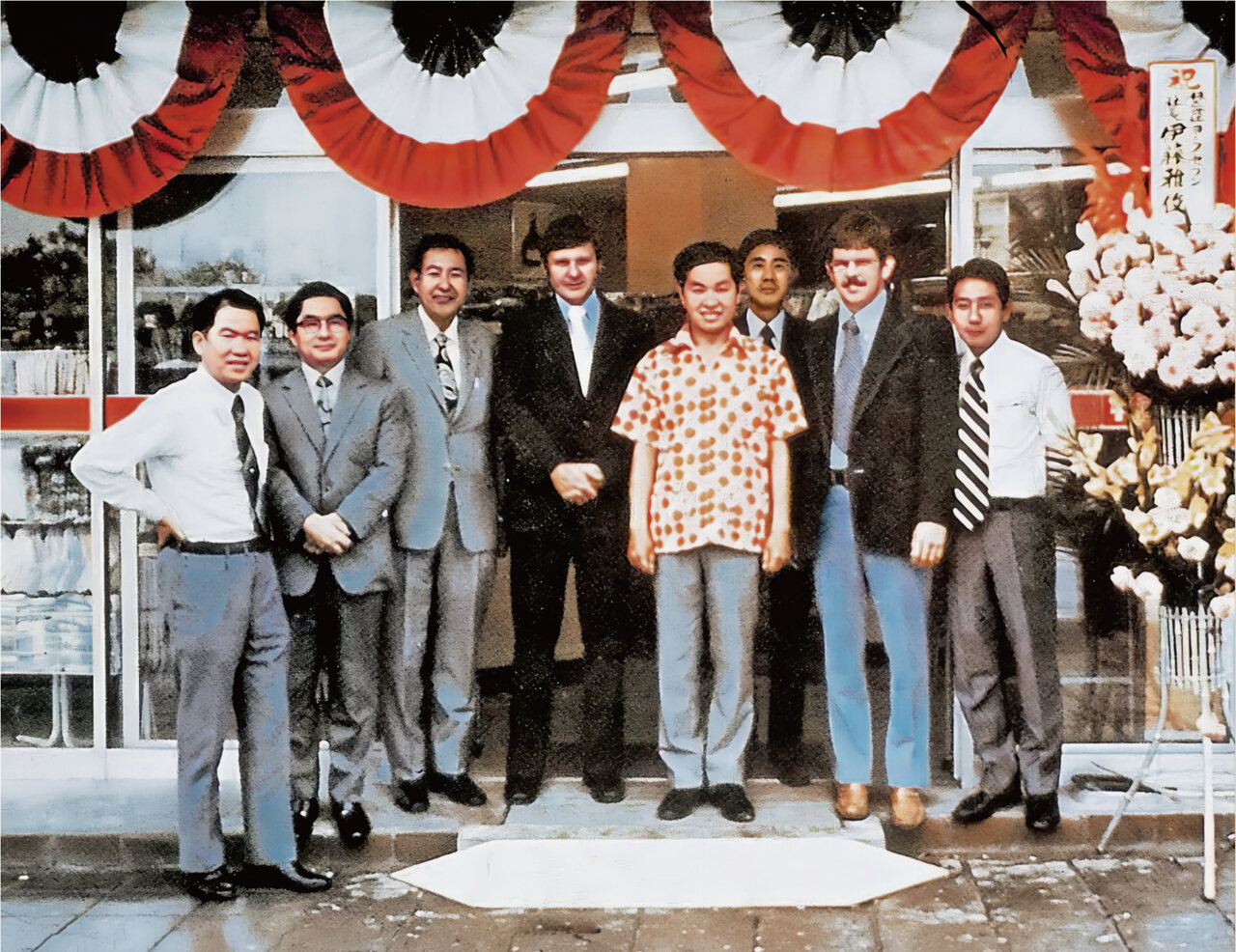
Toshifumi Suzuki at the opening of Japan’s first 7-Eleven store in 1974.
A glance at photographs from those early days reveals just how different the original location was from 7-Eleven stores of today.
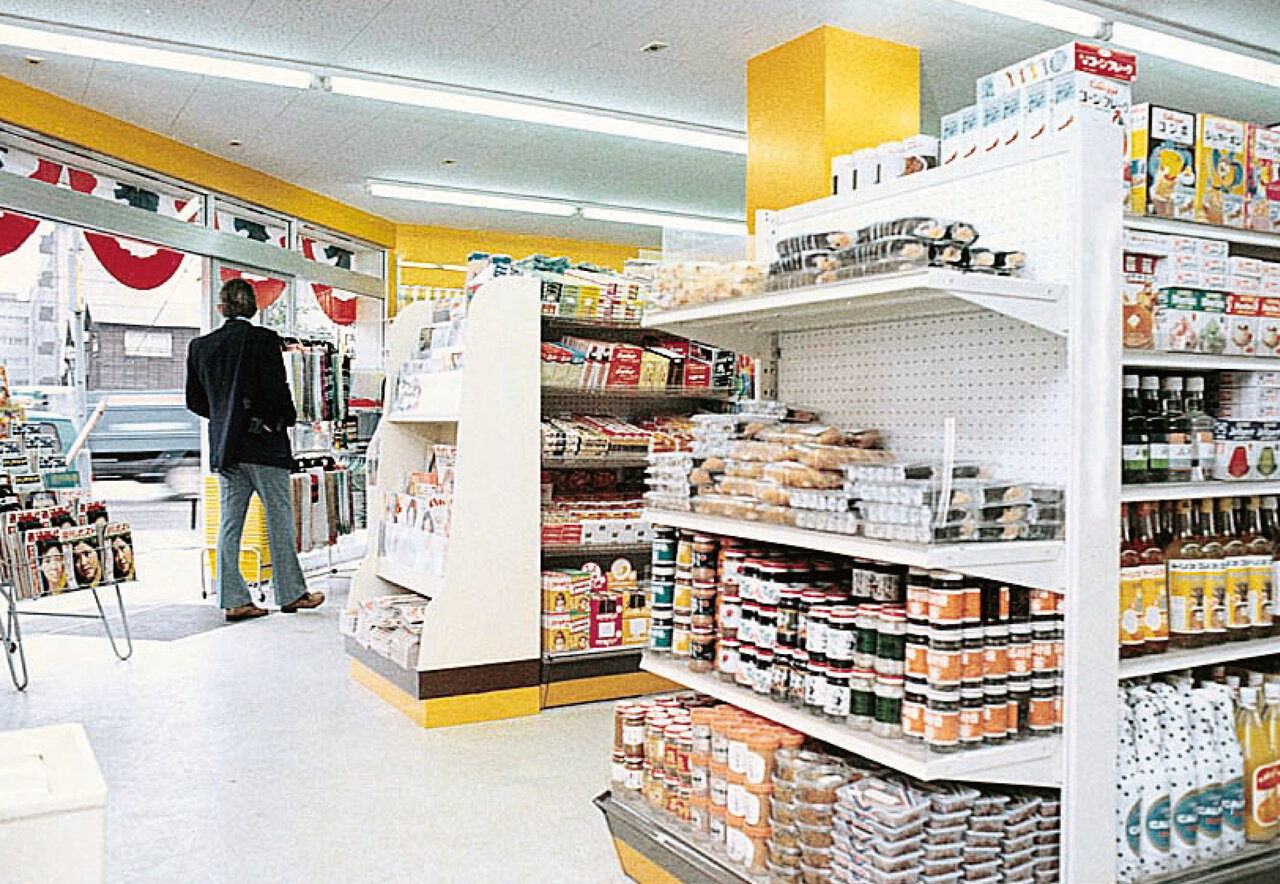
Inside Japan’s first 7-Eleven store in Toyosu, Tokyo (1974).
When the first location opened, products and services now considered essential, such as onigiri and ATMs, were not yet available. These offerings emerged over time as Seven-Eleven Japan continuously adapted to changing consumer habits.
Rather than competing strictly against rival retailers, Suzuki concentrated on evolving customer needs. By challenging conventional industry wisdom, Seven-Eleven Japan steadily expanded the boundaries of what a neighborhood retailer could provide.
From Making It at Home to Buying It on the Go
For Suzuki, making a store truly convenient meant thinking carefully about what it offered. He focused on finding quick, convenient foods that would fit naturally into everyday life in Japan.
At the time, onigiri was widely seen as something to make at home rather than buy from a store. When Suzuki proposed selling it, he faced strong opposition from those who questioned whether customers would pay for a food they could easily prepare themselves. But Suzuki saw things differently. Precisely because it was so familiar to people, he believed there was significant untapped demand and set product development in motion in 1976.
His goal was to create a product that customers would find tastier and more convenient than homemade versions. This meant pursuing both flavor and quality without compromise.
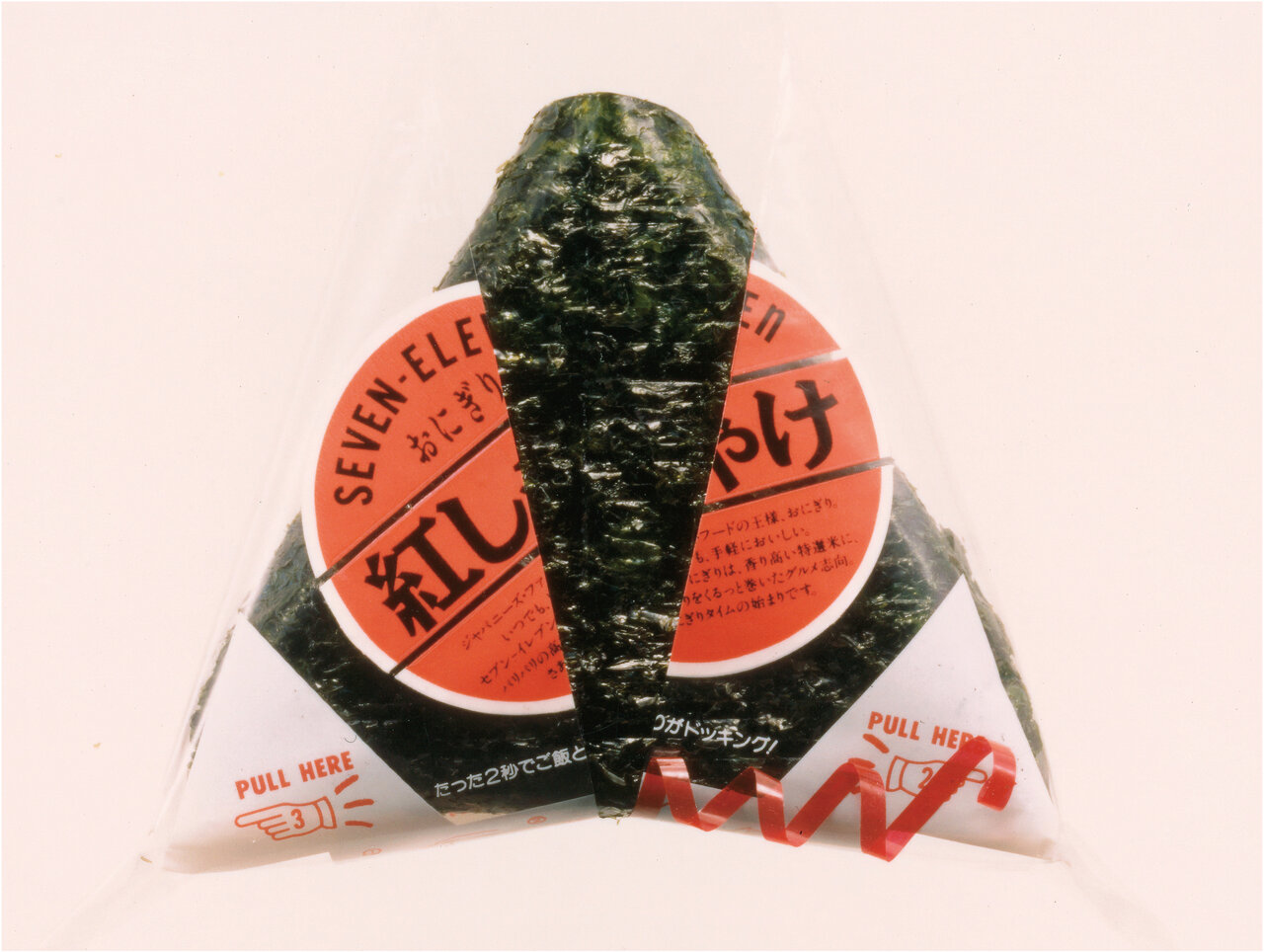
Early hand wrapped onigiri shortly after their launch.
Two years later, that thinking took shape in a new product. Its hand-wrapped packaging kept the seaweed crisp and separate from the rice until it was ready to eat, allowing customers to enjoy the texture of freshly opened seaweed. The product became a major hit, helping establish onigiri as a staple of convenience store food in Japan.
How ATMs Expanded What a Convenience Store Could Offer
The introduction of in store ATMs illustrates how Japan’s convenience stores grew beyond traditional retail into a vital community service provider.
While cash machines can be found in stores around the world, Suzuki saw an opportunity to make cash withdrawals another everyday convenience at 7-Eleven. Building on the existing service for paying utility bills, he pursued the idea of giving customers access to cash at any time. To make this possible, he chose to establish a banking operation within the group. IY Bank, now Seven Bank, was established in 2001, bringing ATM services into 7-Eleven stores.
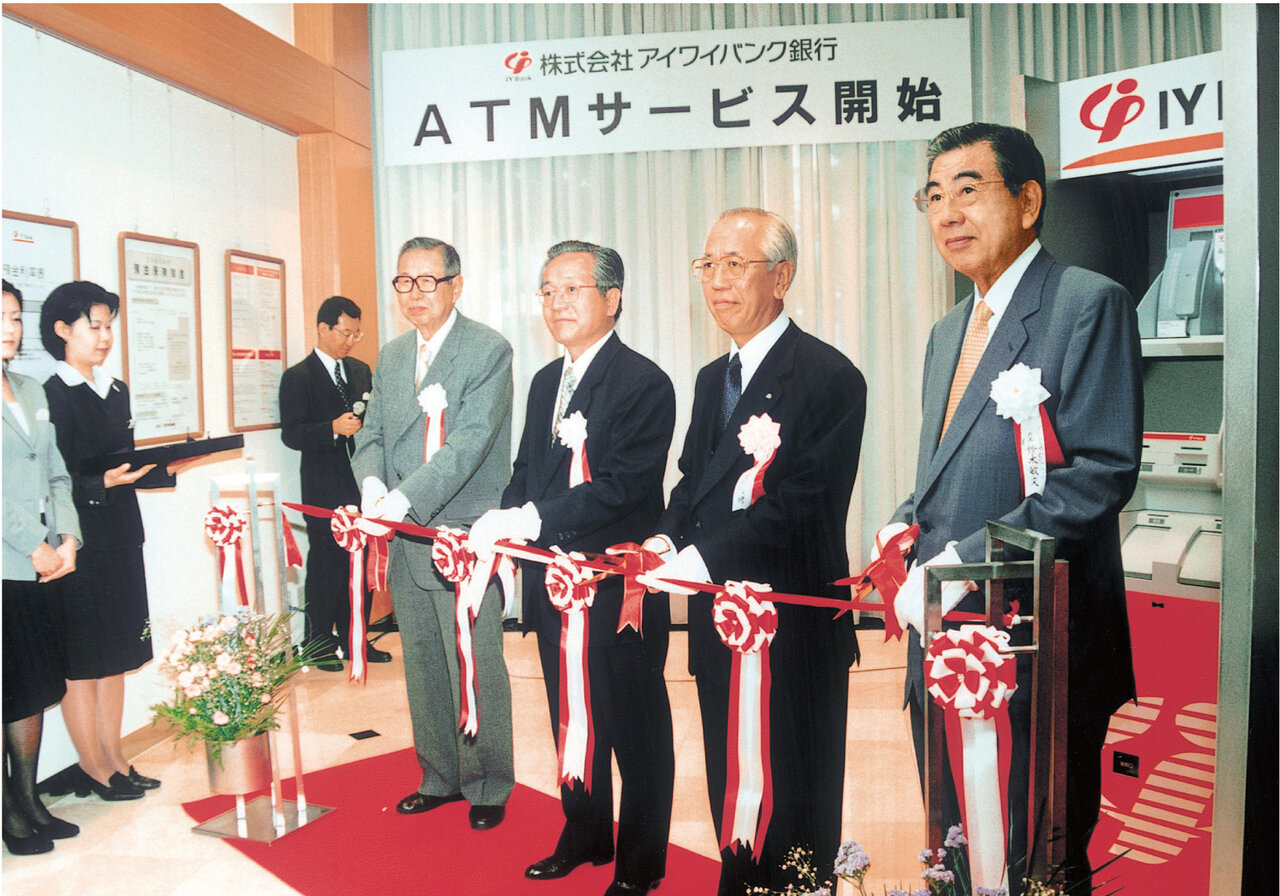
Toshifumi Suzuki at the ribbon cutting ceremony marking the launch of IY Bank’s ATM service.
The business did not take off immediately. Even so, Suzuki remained convinced that if customers genuinely needed the service, it could become a viable business. He continued to expand the ATM network, and as more machines became available, usage grew. The business became profitable within three years. What began as a new idea gradually became a familiar way for people in Japan to access cash.
These examples reflected Suzuki’s consistent focus on changing customer needs rather than established retail practices.

A Lasting Legacy of Customer Centric Innovation
Buying an onigiri ball or withdrawing cash at a convenience store are now ordinary parts of daily life in Japan. Yet these familiar services began as ideas that challenged conventional thinking about what a convenience store could be.
Throughout his career, Suzuki emphasized the importance of looking beyond established practices and continually asking how a company could better serve its customers. Suzuki often expressed this philosophy in the following way:
“By thinking about what we can do to better satisfy our customers and building an organization that can respond to whatever changes the world may bring, we can adapt even to changes we have not yet imagined and continue to grow.”
This philosophy remains part of the Seven & i Group today. Employees, franchise owners, and business partners continue to work together to respond to changing customer needs and create new value.
Source: YouTube
Remembering a Career of Innovation
On September 18, 2026, Seven & i Holdings hosted a memorial gathering to honor the life and achievements of Honorary Advisor Toshifumi Suzuki.
The ceremony was attended by numerous colleagues, corporate executives, franchise representatives, and business partners who had worked alongside Suzuki throughout his distinguished career.
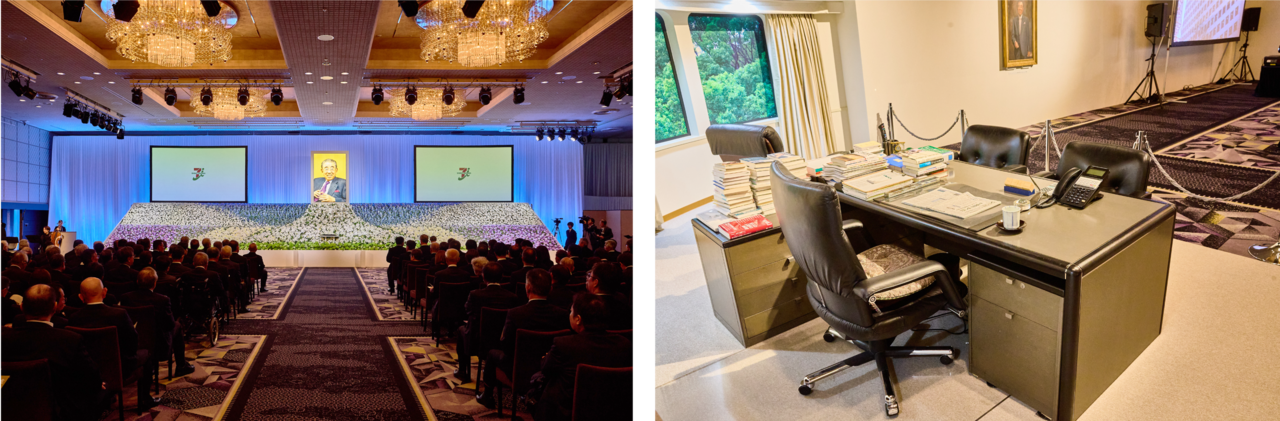
Flowers placed at the memorial altar as attendees paid their respects to Toshifumi Suzuki. An exhibition highlighted his career and his efforts to anticipate change and create new value.
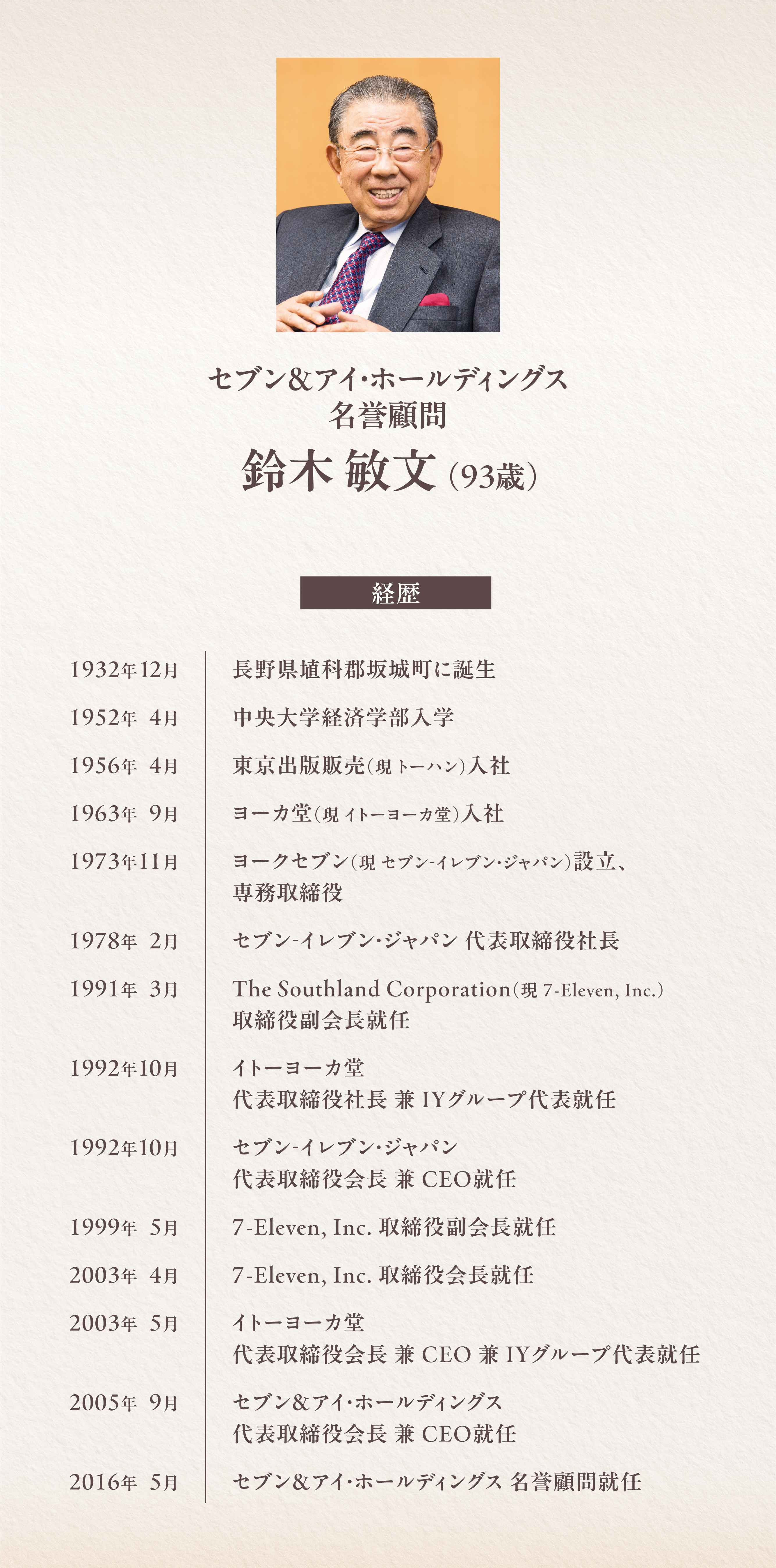
Toshifumi Suzuki
Honorary Advisor, Seven & i Holdings Co., Ltd.
Dec 1932: Born in Sakaki Town, Hanishina District, Nagano Prefecture
Apr 1952: Enrolled in the Faculty of Economics, Chuo University
Apr 1956: Joined Tokyo Shuppan Hanbai Co., Ltd. (currently TOHAN CORPORATION)
Sep 1963: Joined Ito-Yokado Co., Ltd.
Nov 1973: Established York-Seven Co., Ltd. (now Seven-Eleven Japan Co., Ltd.); appointed Senior Managing Director
Feb 1978: Appointed President and Representative Director, Seven-Eleven Japan Co., Ltd.
Mar 1991: Appointed Vice Chairman, The Southland Corporation (currently 7-Eleven, Inc.)
Oct 1992: Appointed President and Representative Director, Ito-Yokado Co., Ltd.
Oct 1992: Appointed Chairman of the Board, Representative Director, and CEO, Seven-Eleven Japan Co., Ltd.
Apr 2003: Appointed Chairman of the Board, 7-Eleven, Inc.
May 2003: Appointed Chairman, Representative Director and Chief Executive Officer, Ito-Yokado Co., Ltd.
Sep 2005: Appointed Chairman, Representative Director and Chief Executive Officer, Seven & i Holdings Co., Ltd.
May 2016: Appointed Honorary Advisor, Seven & i Holdings Co., Ltd.
Related articles