Bringing Stores to Underserved Areas: How Seven-Eleven Japan Is Co-Creating with Communities
"Now I can have ice cream whenever I want."
That was the joyful response from a young girl in Hoshino Village, Yame City, Fukuoka Prefecture.
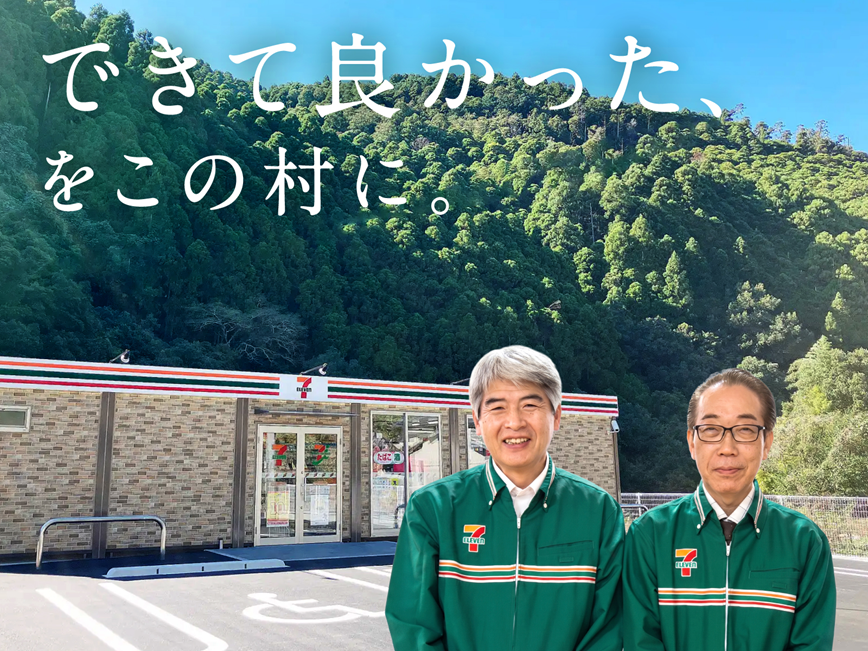
In this mountain community, where a declining and aging population has made daily shopping increasingly difficult, Seven-Eleven Japan opened its first Community-Co-Created Store in October 2025.
The store came to life through close collaboration among local residents, the municipal government, the franchise owner, and Seven-Eleven Japan. The small but meaningful change in this young girl's daily life is the result of a shared vision to sustain local living.
How did this unique store come to be, and what changes is it bringing to the village? We spoke with three key members at the heart of the project.
Building a Store the Community Needs: A New Challenge for Seven-Eleven Japan
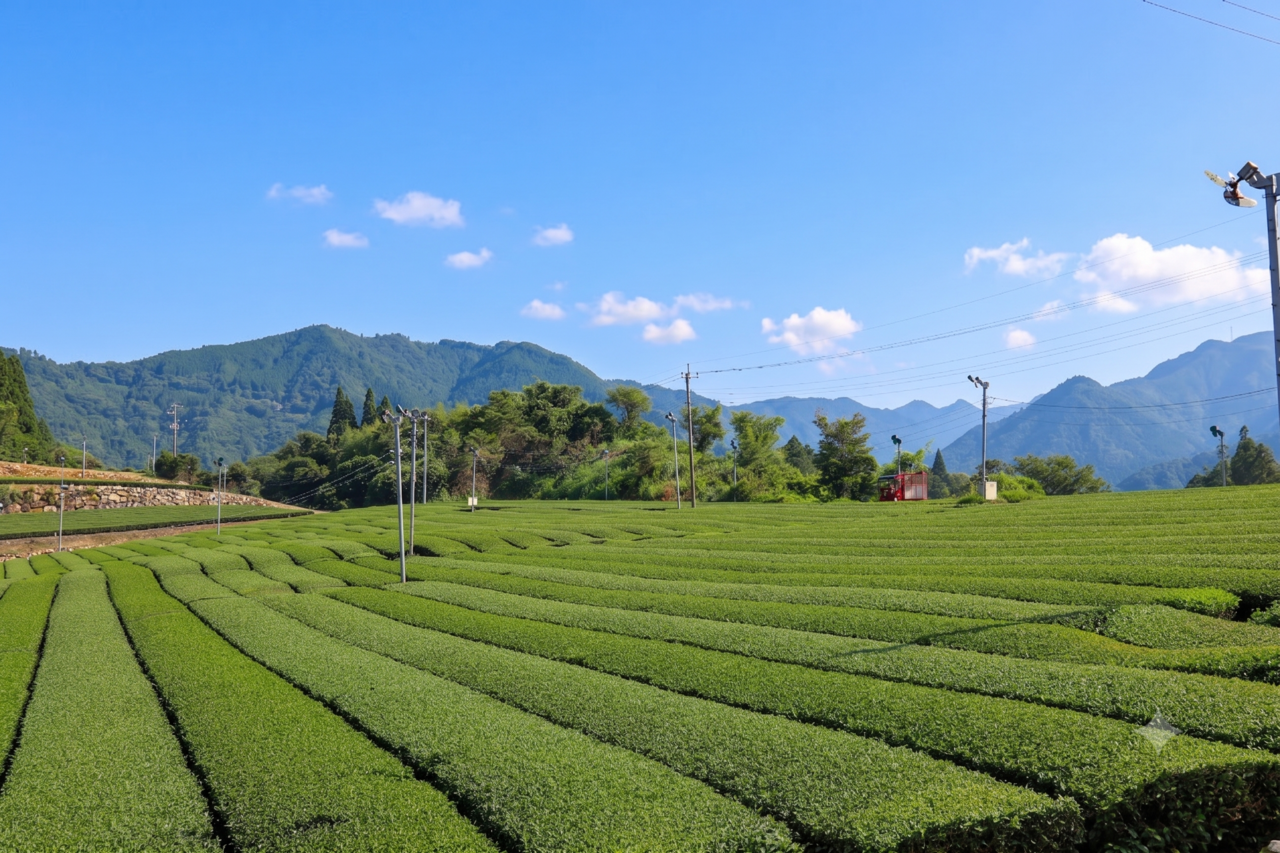
Yame City is known for its tea production, and tea fields stretch across Hoshino Village.
Hoshino Village, nestled in the mountainous area of Yame City, is one of many rural Japanese communities facing limited access to basic shopping due to severe depopulation. Responding to residents' concerns, Yame City approached Seven-Eleven Japan with a direct request: "Would it be possible to open a store in our village?"
Leading the project was Kubota from the New Store Development and Franchising Division of Seven-Eleven Japan.
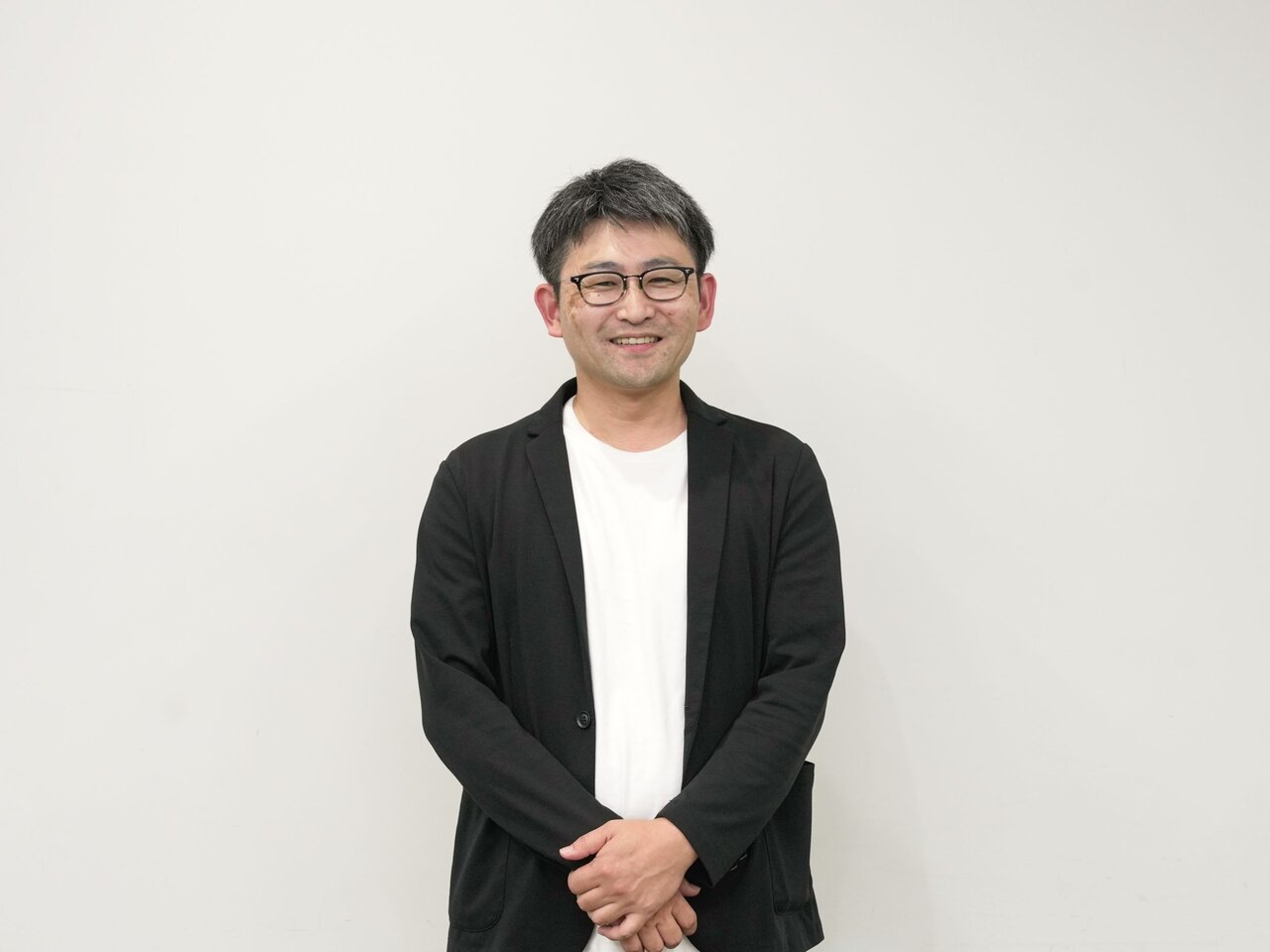
Kubota, New Store Development and Franchising Division, Seven-Eleven Japan
As an untested undertaking, numerous hurdles lay ahead. Could a convenience store remain commercially viable in a settlement of just 2,000 people? How could they find a franchise owner willing to run it? And could this business model eventually be replicated in other vulnerable areas? Internal voices within the company initially urged caution.
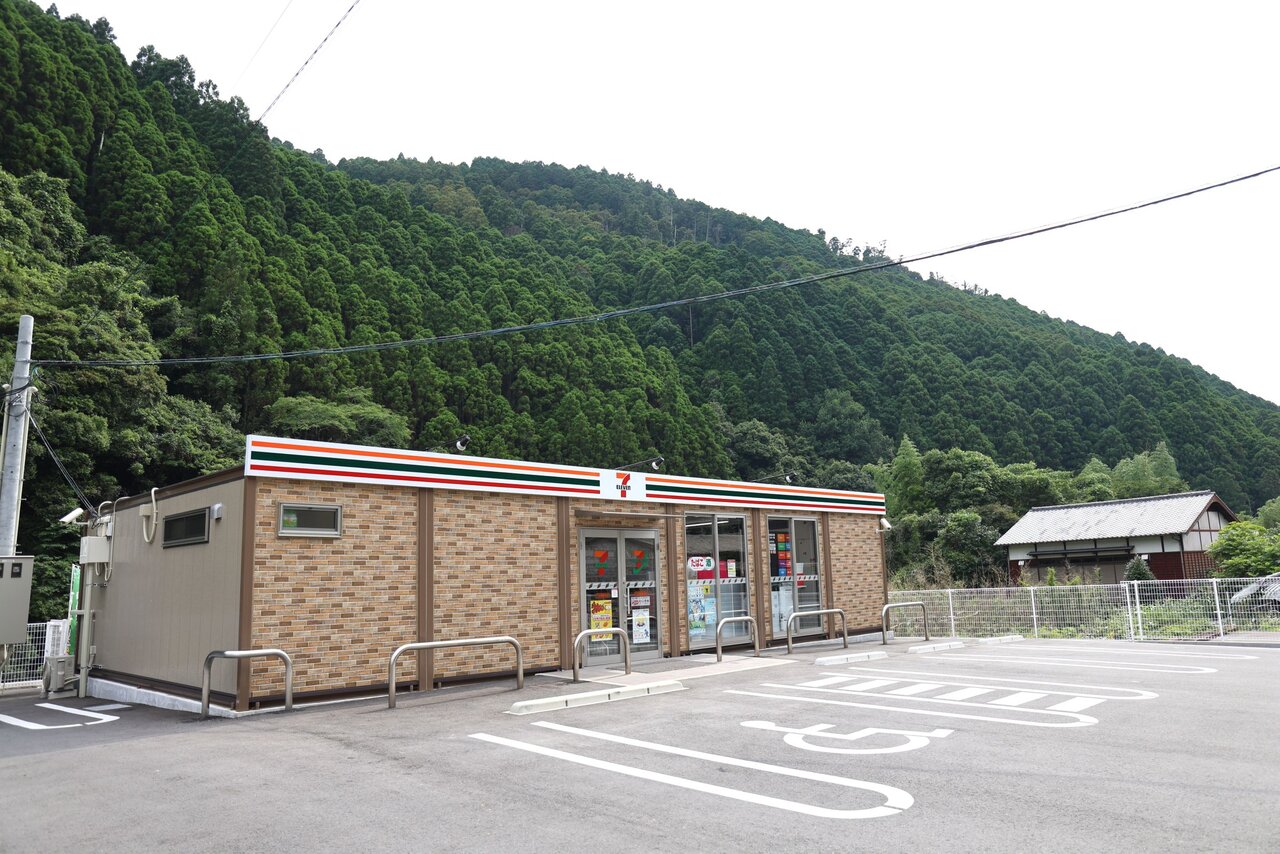
7-Eleven Yame Hoshino Village Store in the mountainous region
Kubota: As Japan faces an aging and shrinking population, there is a growing need for new initiatives to support rural daily life. We believed that opening a 7-Eleven store could directly help address these social issues.
Because this was completely unprecedented, there were many hurdles to consider. I do not run the store myself—the franchise owner does. That is why my main focus was ensuring the business could operate sustainably over the long term without placing unnecessary hardships on the owner.
We tried to anticipate potential operational issues before launch, addressing concerns as they arose and coordinating closely with various departments to turn the concept into reality.
Whenever we hit a roadblock and were told that something was difficult, we did not stop there. Instead, we kept asking ourselves, "What can we do to make it possible?" In the end, we stepped forward with the mindset that we would never know unless we tried.
Nurtured by the Community: The "Community-Co-Created Store"
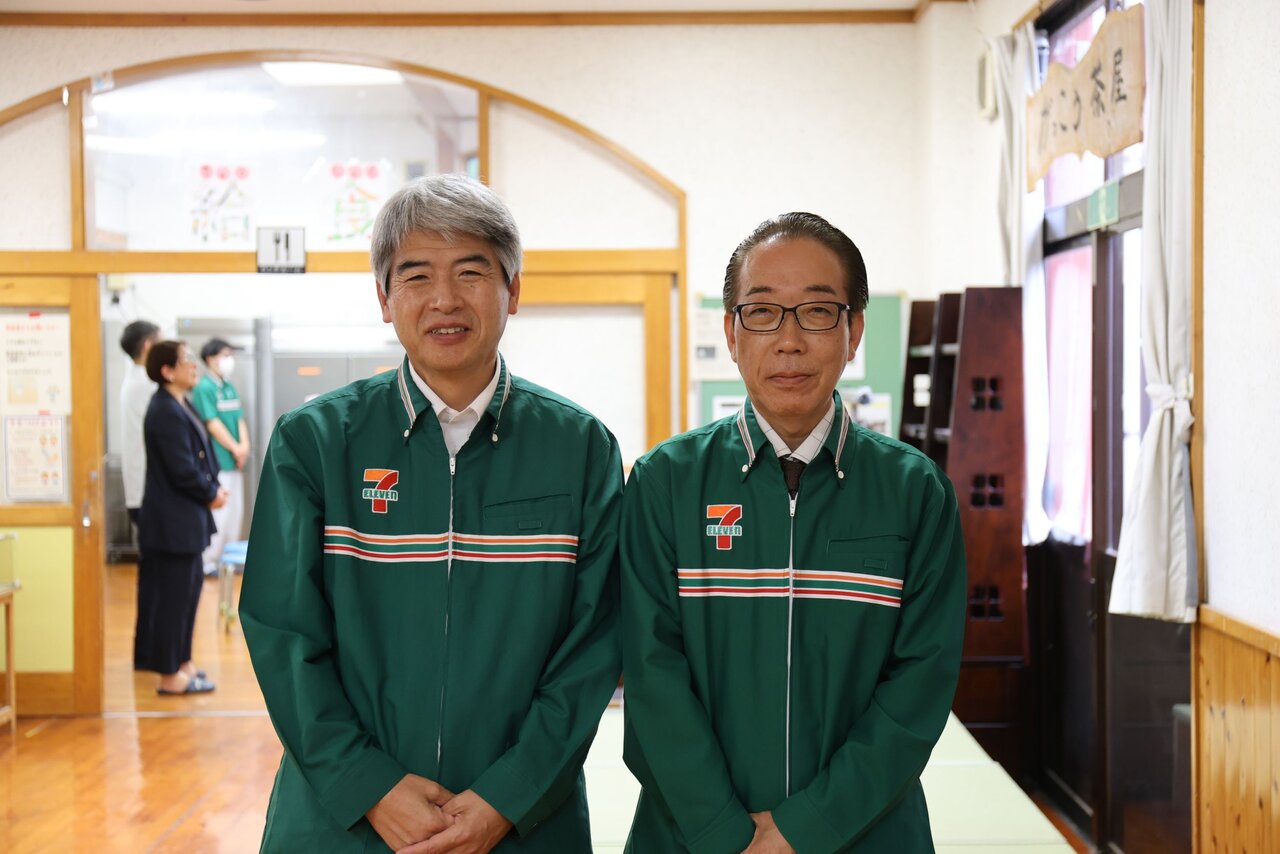
Left: Katsura, an Operation Field Counselor (OFC) who supports franchise store owners / Right: Matsumoto, owner of the 7-Eleven Yame Hoshino Village store
Open dialogue with local residents was essential. Prior to the grand opening, two community meetings were held to listen directly to the community’s voice and integrate their feedback into the store design. Handling on-the-ground coordination with local residents was Katsura, the OFC assigned to the Hoshino Village store.
Katsura: Around 30 people attended each session, and their feedback forms were filled with concrete requests—from specific products they wanted on the shelves to daily services they hoped to see. We did everything we could to reflect their ideas in the store.
During these meetings, the team shared details about the store's offerings and services while also speaking openly about the logistical challenges unique to a mountainous area.
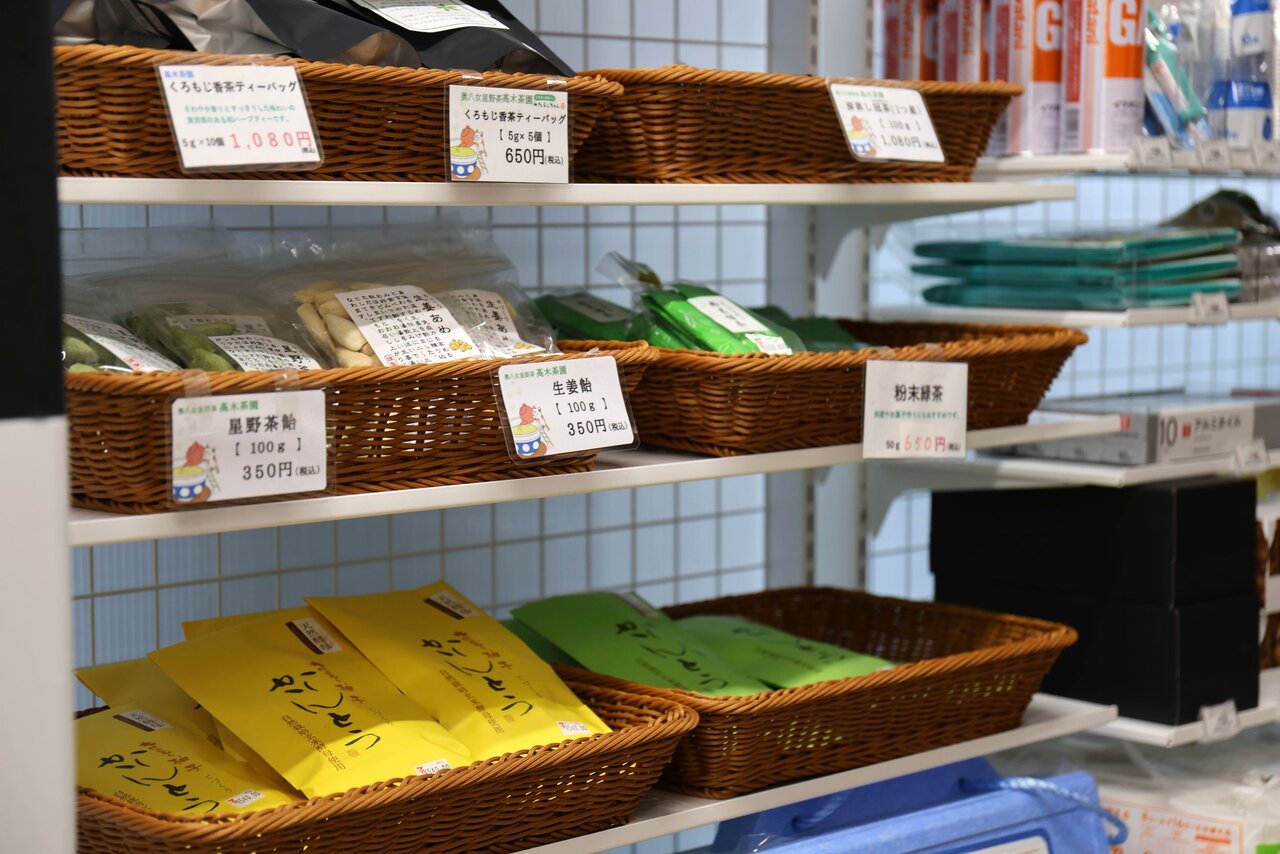
7-Eleven Yame Hoshino Village also carries local specialties
Kubota: A Community-Co-Created Store is built for and alongside the local population. Unlike a standard commercial opening, our priority was building genuine mutual understanding. We explained what 7-Eleven could bring to the village while asking residents to help us nurture and support the business over time.
While residents requested practical everyday essentials like seasonings and school supplies, some voiced concern over how a new convenience store might affect existing small shops. To ensure peaceful coexistence, the team decided to stock regional products supplied directly by local merchants.
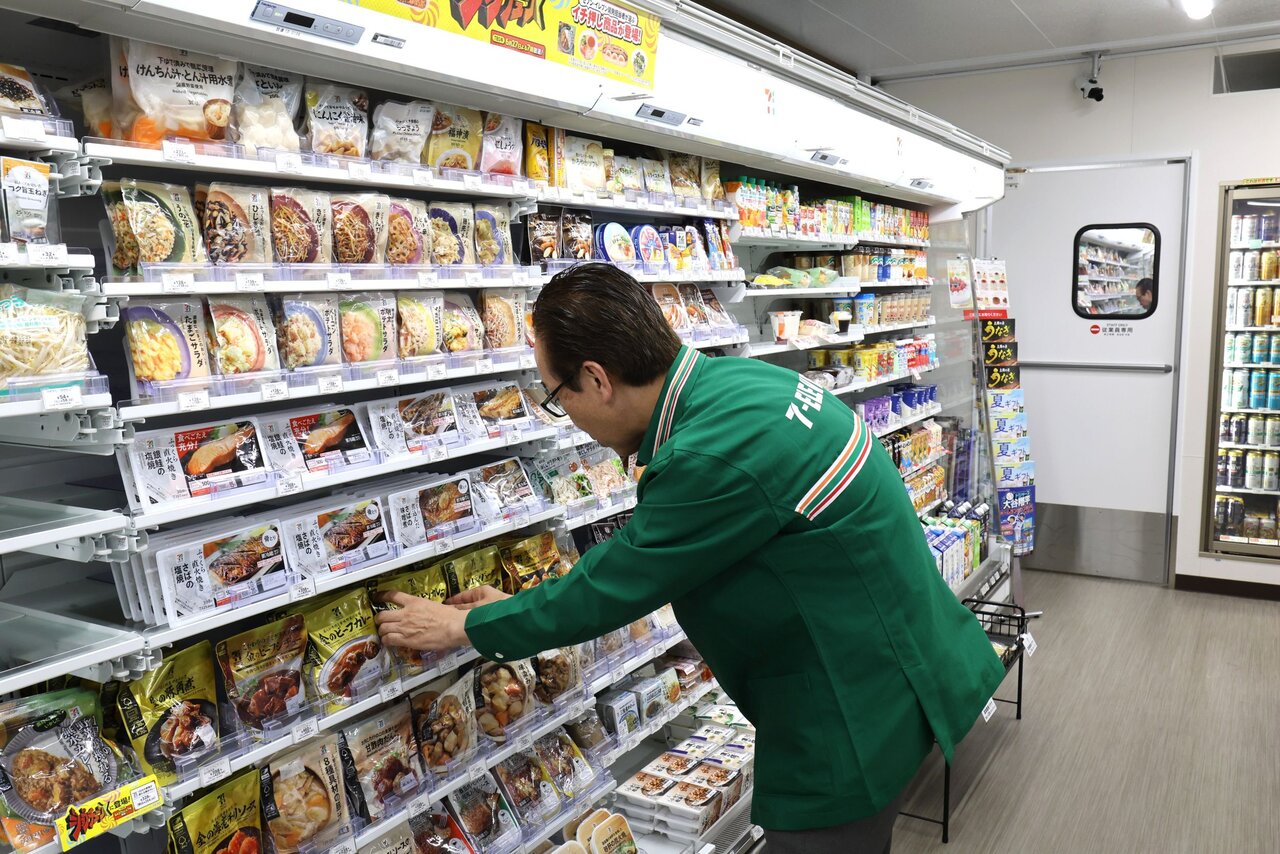
Store Owner Matsumoto stocking the shelves. Following a local tasting event, the "Seven Premium Salt-Grilled Mackerel" has become a favorite, especially among older customers.
Finding the right franchise owner was critical. The choice fell on Matsumoto, who was already running 7-Eleven stores in the neighboring town of Joyo.
Matsumoto: To be honest, I had my doubts at first. It was a completely new store format, and I wondered whether we could really keep it running long-term. Even so, I had already been hearing calls from local residents saying they wanted a 7-Eleven in Hoshino Village. Knowing that, I felt a deep responsibility—like I was the one who had to step up and make it happen.
Becoming a Store Rooted in the Community: The Journey Continues
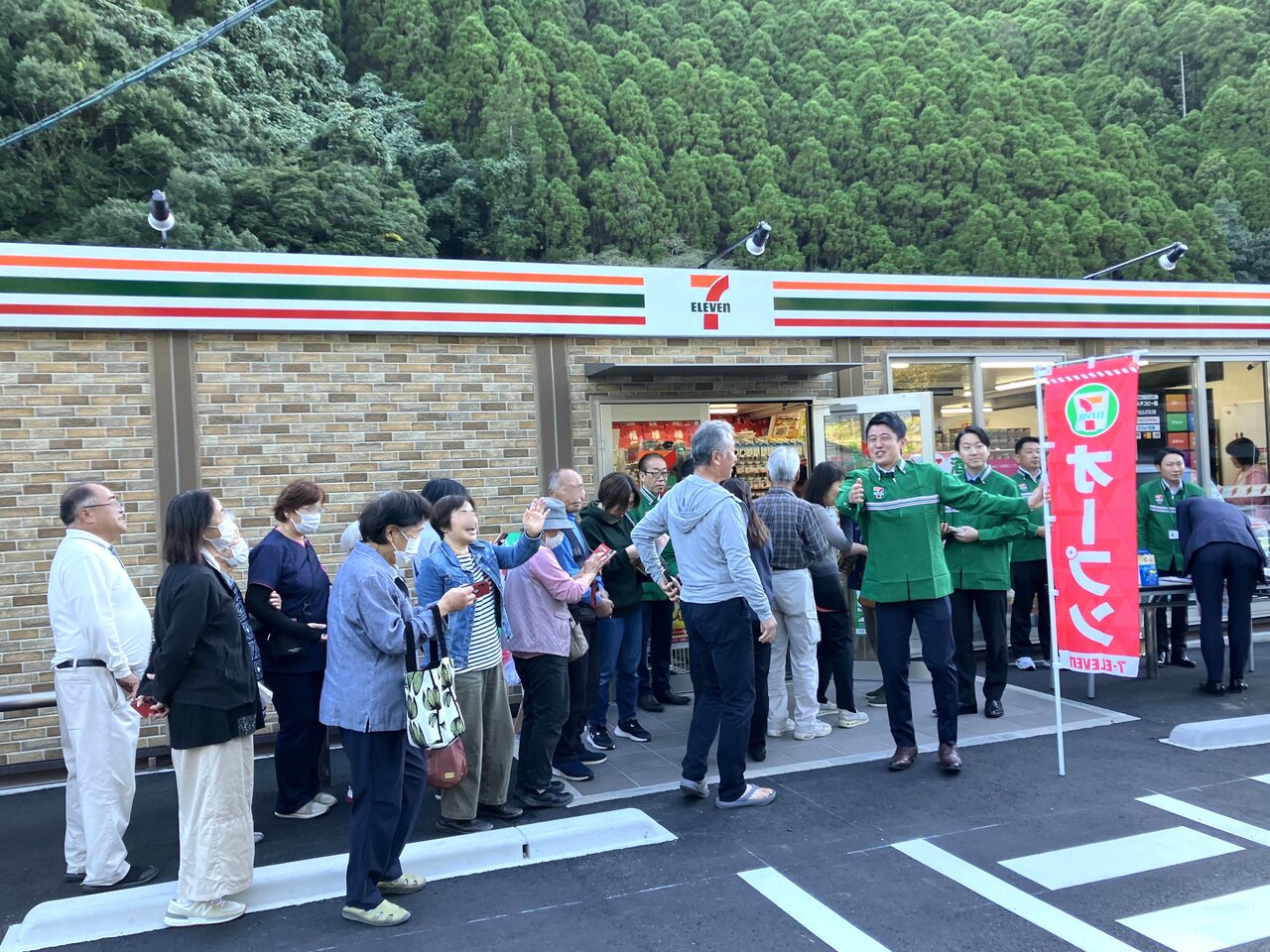
Local residents gather outside the store on opening day in October 2025.
On opening day in October 2025, a long queue formed outside the entrance well before the doors opened.
Matsumoto: What really stayed with me was seeing middle school students waiting outside from as early as 5 a.m. They were so excited when they finally came into the store. We heard many people say, "We're so glad you opened this store." Their words of appreciation really stayed with us.
Kubota: A little girl told me, "Now I can have ice cream whenever I want." We also heard people say, "Thank you for opening this store." Hearing those words made me feel that all the work we'd put into the project had truly paid off.
It's been almost a year since the store opened, and it is gradually becoming a part of everyday life in the community. To serve elderly residents, the store accepts phone orders for hot kitchen items like fresh fried chicken, ensuring items are cooked and ready upon arrival.
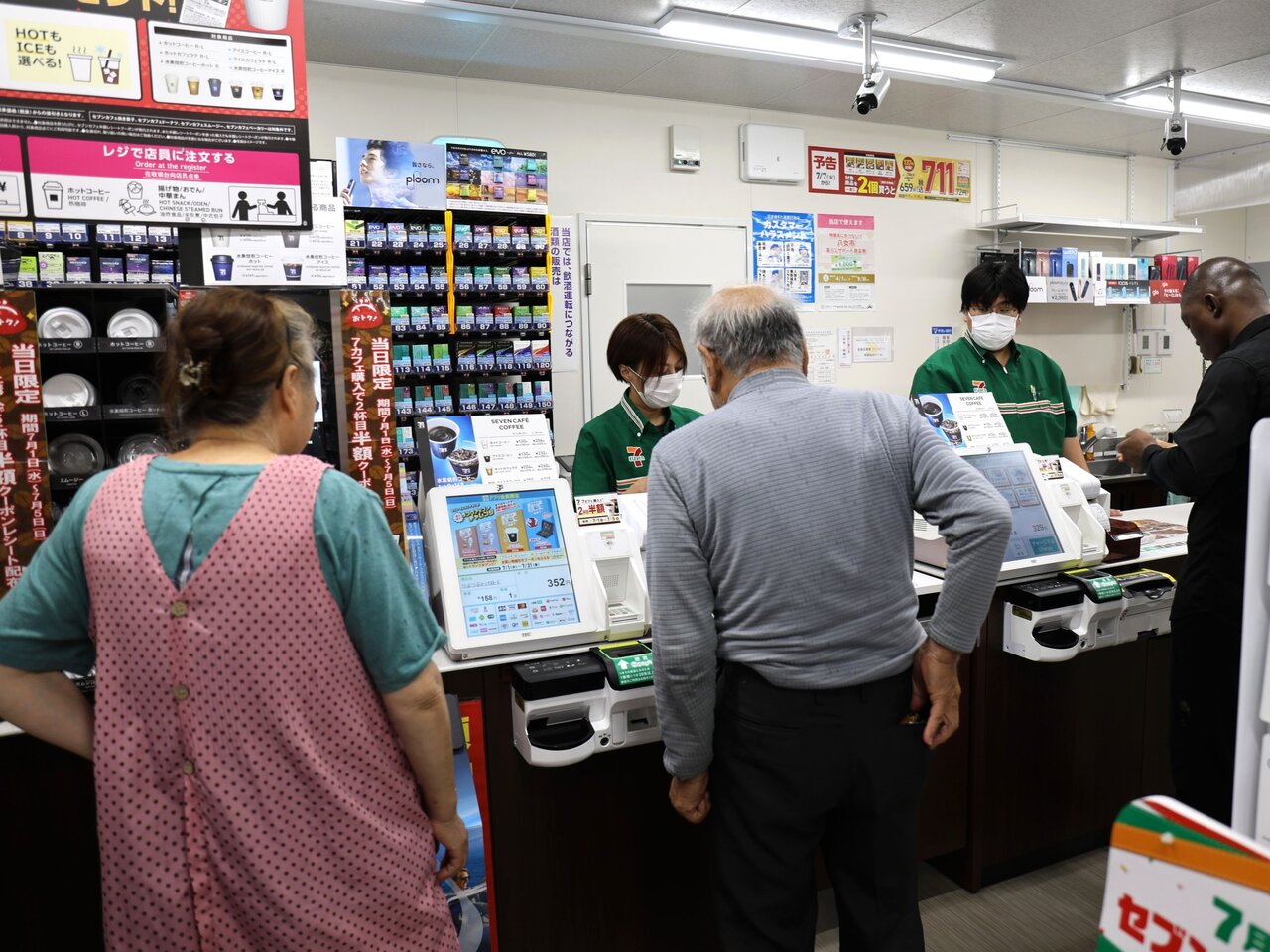
Many regular customers, including older residents, visit the store every day, and chatting with the staff has become a familiar part of daily life.
The store also hosts tasting events to introduce easy-to-prepare meals. In partnership with the local Council of Social Welfare—a public-interest body supporting senior well-being—they introduce nutritional, easy-to-eat packaged items suited for older shoppers.
Katsura: I believe it's important for people to actually pick up the products and experience their convenience and quality for themselves. There are still many things we're figuring out as we go, but by working even more closely with the local government, we'd like to make this a store the community relies on even more.
Matsumoto: Today, local villagers also work as part of our store staff. Moving forward, we want to keep working side by side with the community to ensure everyone feels truly glad this store is here.
The Hoshino Village store began with a local need, but opening day was only the beginning. As Seven-Eleven Japan, the store owner, local government, and residents continue to work together, the goal is simple: to make this a place people can rely on and feel glad to have in their community.
This text has been translated using an automatic translation tool.