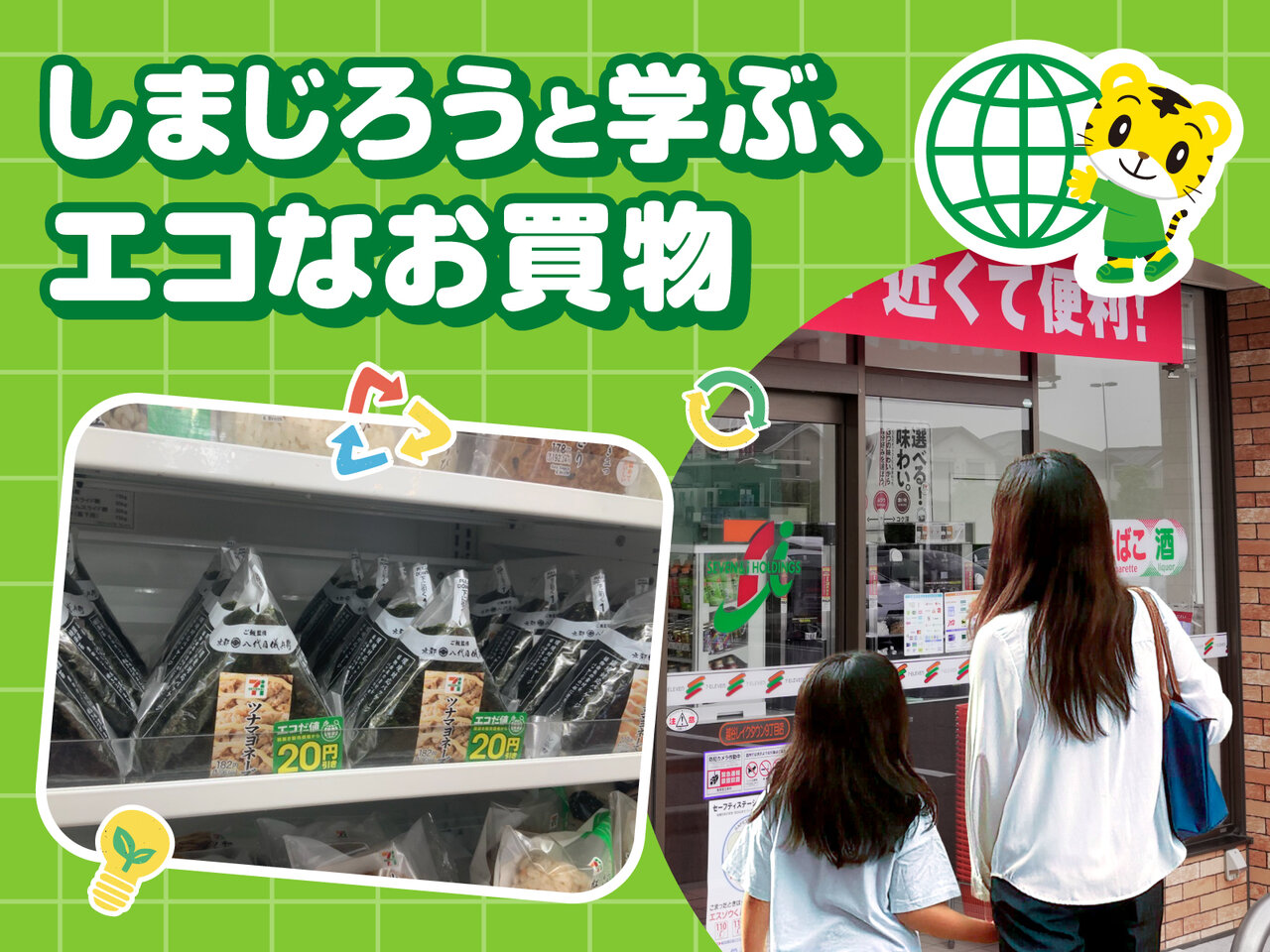
How 7-Eleven and Shimajiro Turn Everyday Shopping into a Learning Experience
Have you ever noticed green Shimajiro stickers inside 7-Eleven stores? Created by Seven-Eleven Japan and Benesse Corporation, this effort turns routine shopping trips into moments for children to learn about sustainability. Simple questions about food waste or plastic reduction often lead to inspiring family conversations.
In this dialogue, we sit down with project leaders from both companies to explore how this collaboration began and how it engages young shoppers.

Shimajiro
Main character of Kodomo Challenge, Benesse's educational program for preschool children. Loved by generations of families in Japan.

Senoo
Alliance Development Department, IP Business Division, Benesse Corporation
Responsible for corporate collaborations featuring Shimajiro. Works with partner companies to create initiatives and communications that help parents and children learn together while having fun.
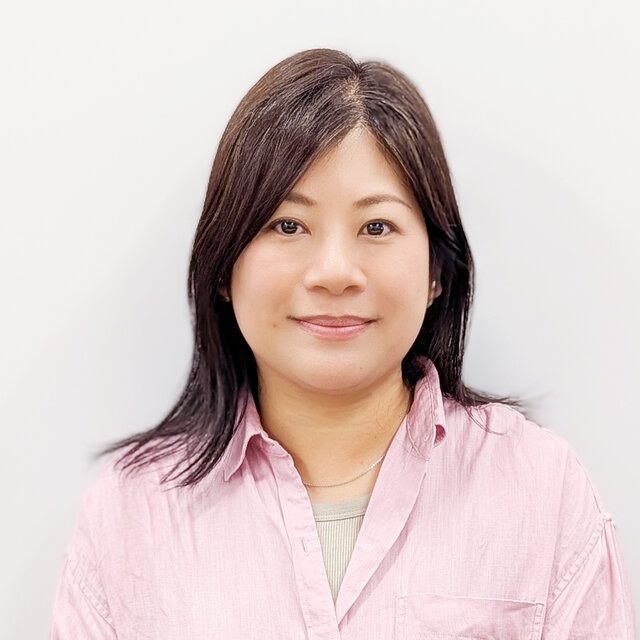
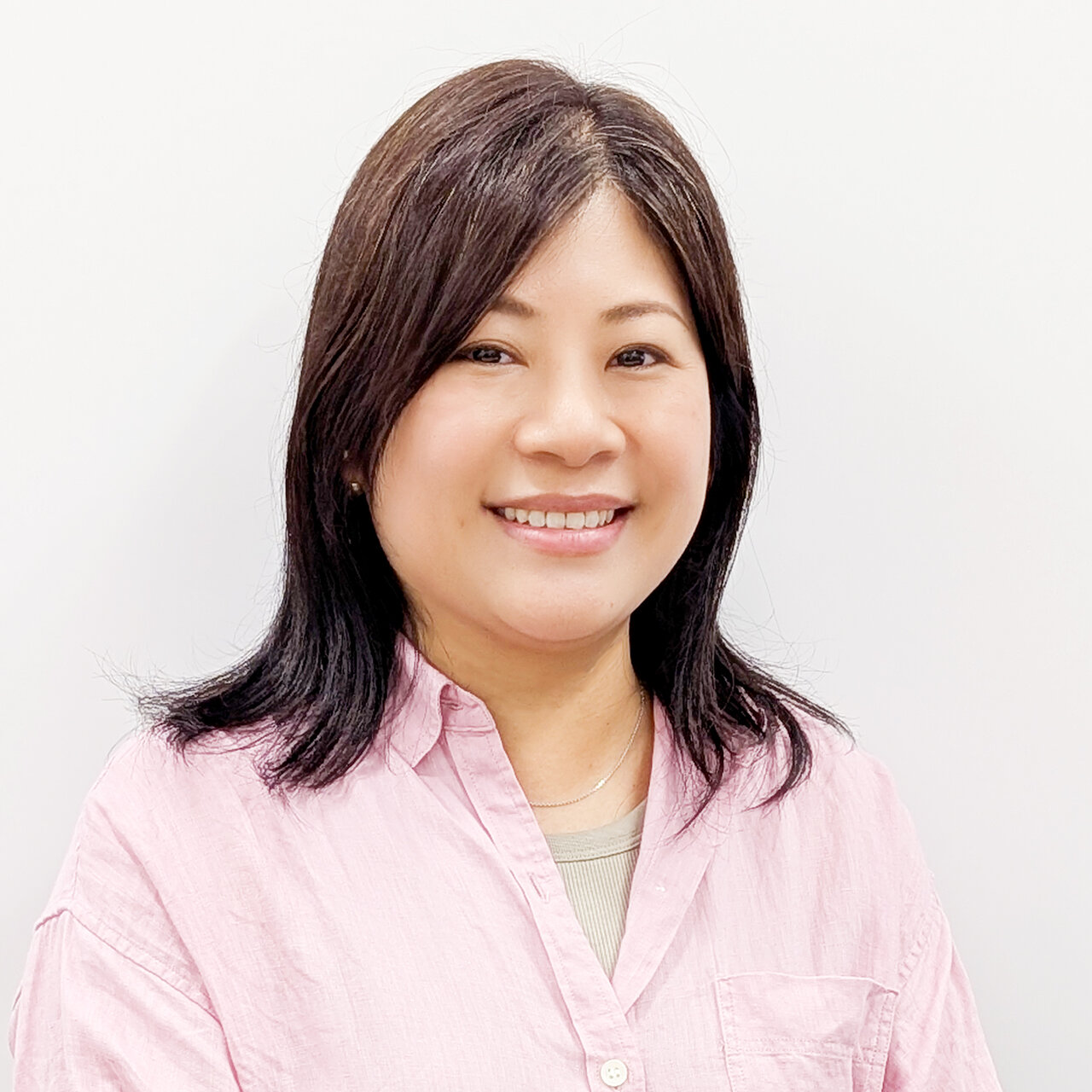
Liang
Operations Support Department, Seven-Eleven Japan
Leads Seven-Eleven Japan's "Eco-dane" food waste reduction initiative, named after the Japanese phrase meaning "eco-friendly." As the mother of a five-year-old daughter, she also brings a parent's perspective to the company's environmental efforts.
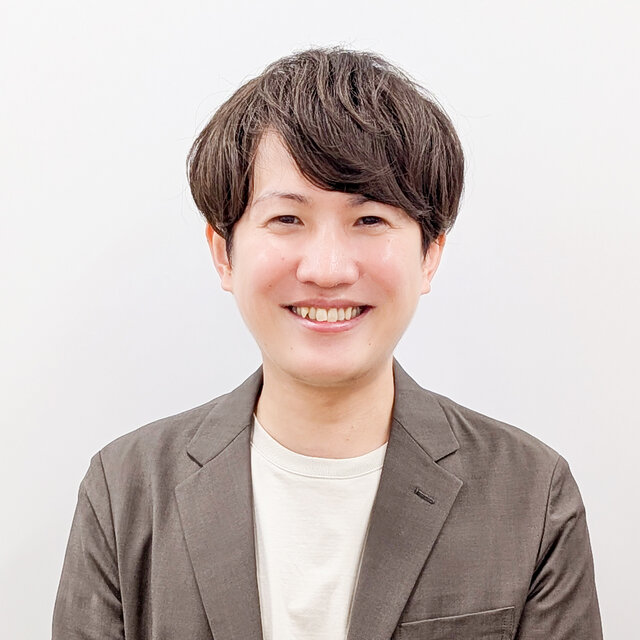
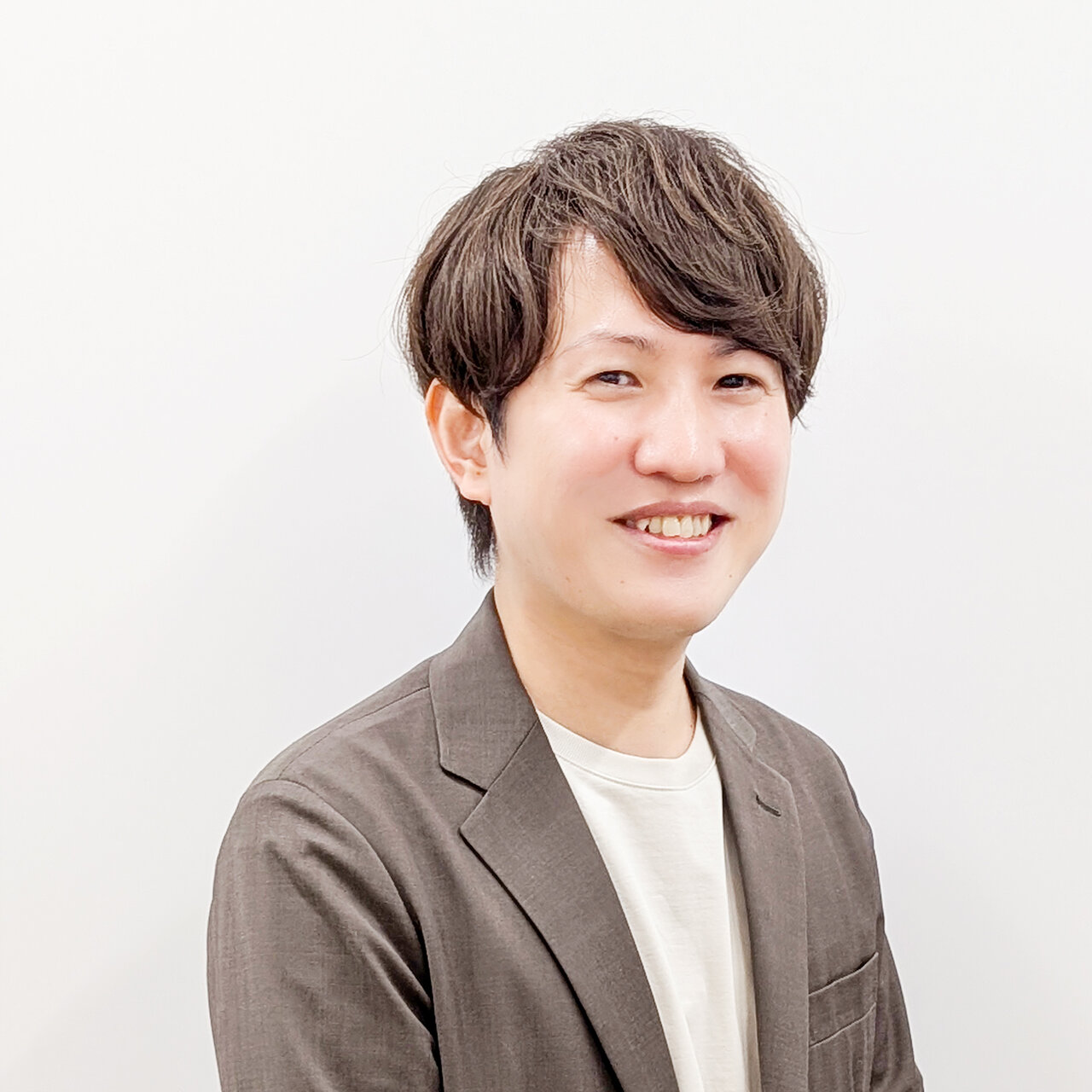
Aso
Sustainability Promotion Office, Seven-Eleven Japan
Works on sustainability projects, including plastic reduction. As a father of young children, he also helps communicate Seven-Eleven Japan's environmental efforts in ways that connect with customers.
Asupresso
A member of the Asupresso editorial team and a parent. Curious about the green Shimajiro displays found in 7-Eleven stores, she approached the interview from a fellow parent's perspective.
Why is Shimajiro at 7-Eleven?
You may have noticed green Shimajiro featured on Eco-dane stickers and in store displays. If you have ever wondered why he is here, there is a thoughtful reason behind it. The partnership was born from a simple hope to spark conversations between young families during everyday shopping.
Asupresso
Could you tell us what led to Shimajiro becoming part of Seven-Eleven Japan environmental projects?
Liang
At Seven-Eleven Japan, we are working on a variety of environmental programs, including efforts to reduce food waste. However, we have found that simply explaining why these issues matter does not always inspire people to take action.
Aso
Even when people understand that protecting the planet is important, turning that awareness into action can be surprisingly difficult. That can be especially true for children. Simply explaining environmental issues in a serious or complicated way does not necessarily capture their interest. We began asking ourselves if there was a way to help young shoppers become naturally interested in sustainability while having fun.
How could we help kids become naturally curious about the environment while having fun? Asking that very question is what led the team to Shimajiro, a character deeply cherished by generations of children.
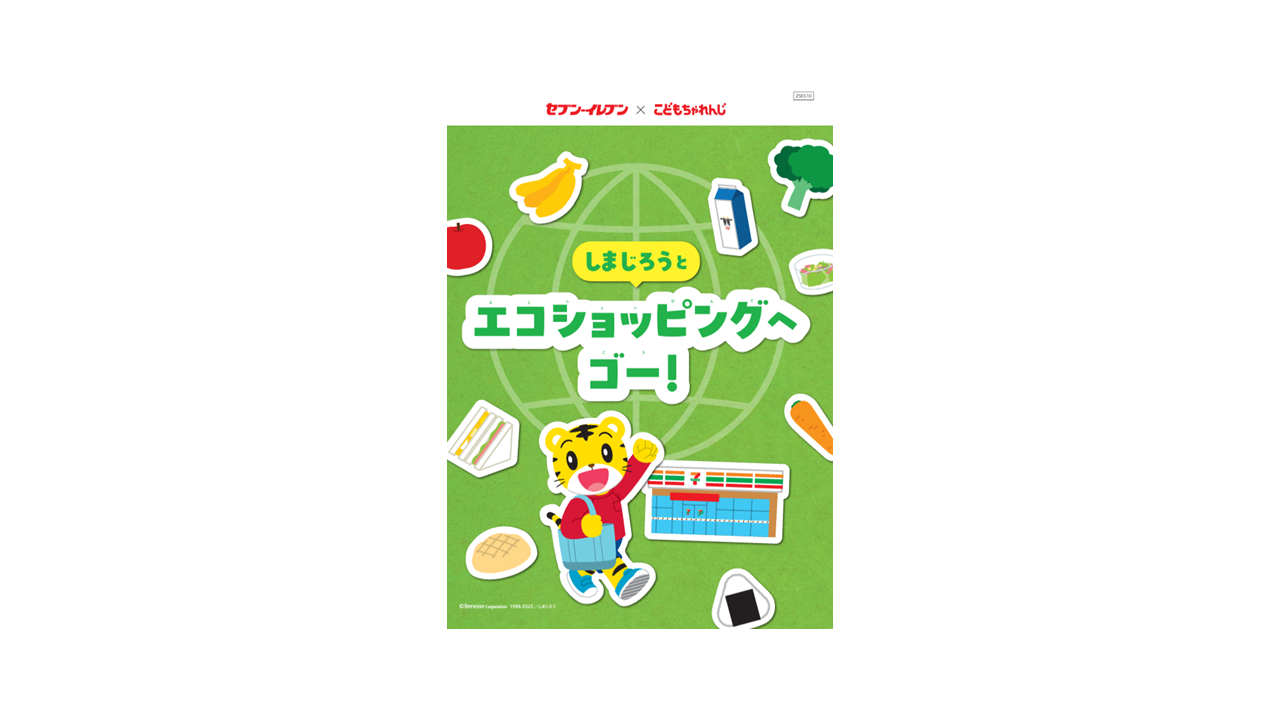
A booklet introducing eco-friendly shopping habits for families was distributed to Kodomo Challenge members.
©Benesse Corporation 1988-2026 / Shimajiro
*“しまじろう” is a registered trademark of Benesse Corporation.
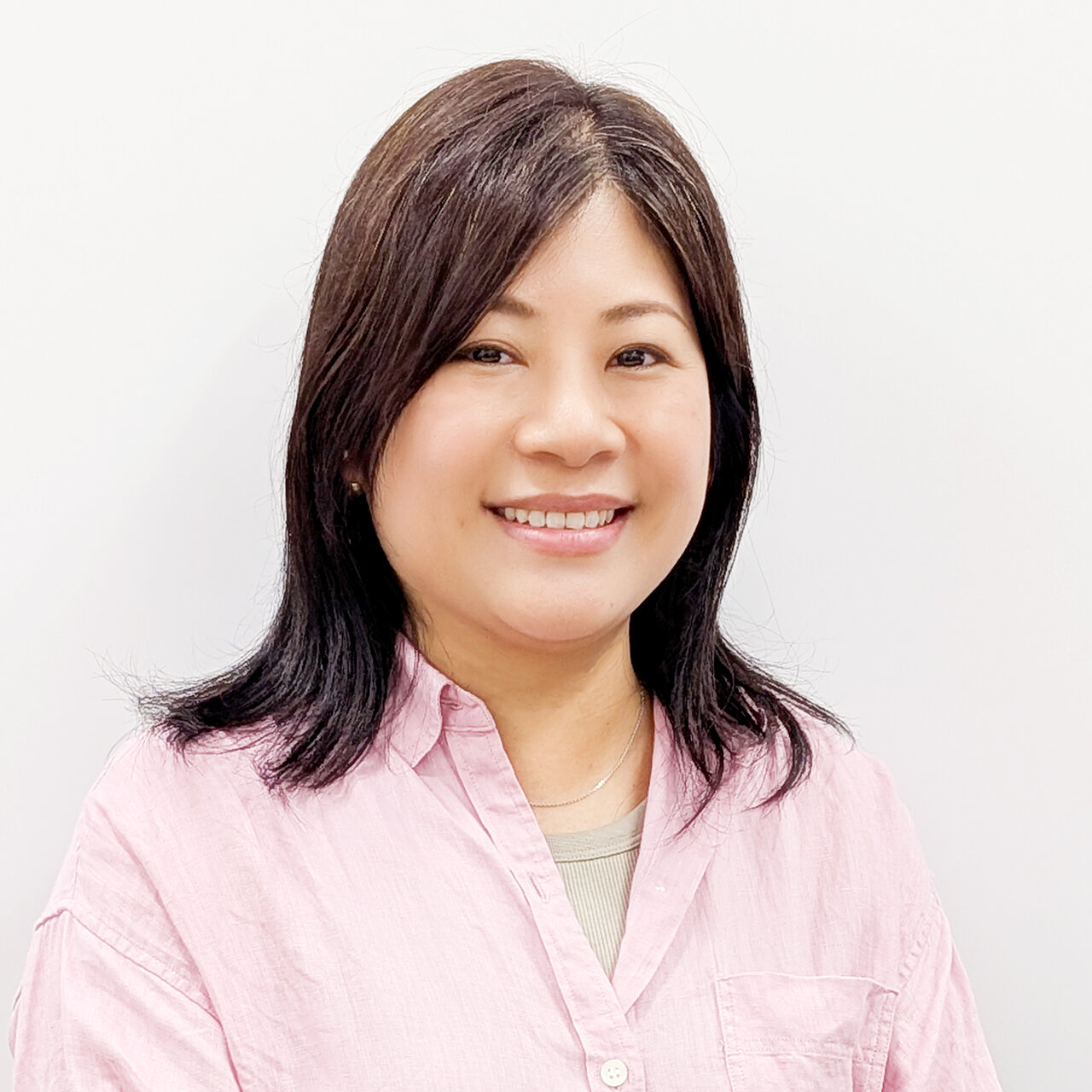
Liang
I have a daughter, and we have been using Kodomo Challenge ever since she was a baby. Seeing her enjoy learning alongside Shimajiro all these years made me think that maybe Shimajiro could help inspire her to start thinking about the environment too.
Asupresso
I completely understand. I have two kids in elementary school myself, so I can really relate. Shimajiro is such a familiar and trusted character for kids.
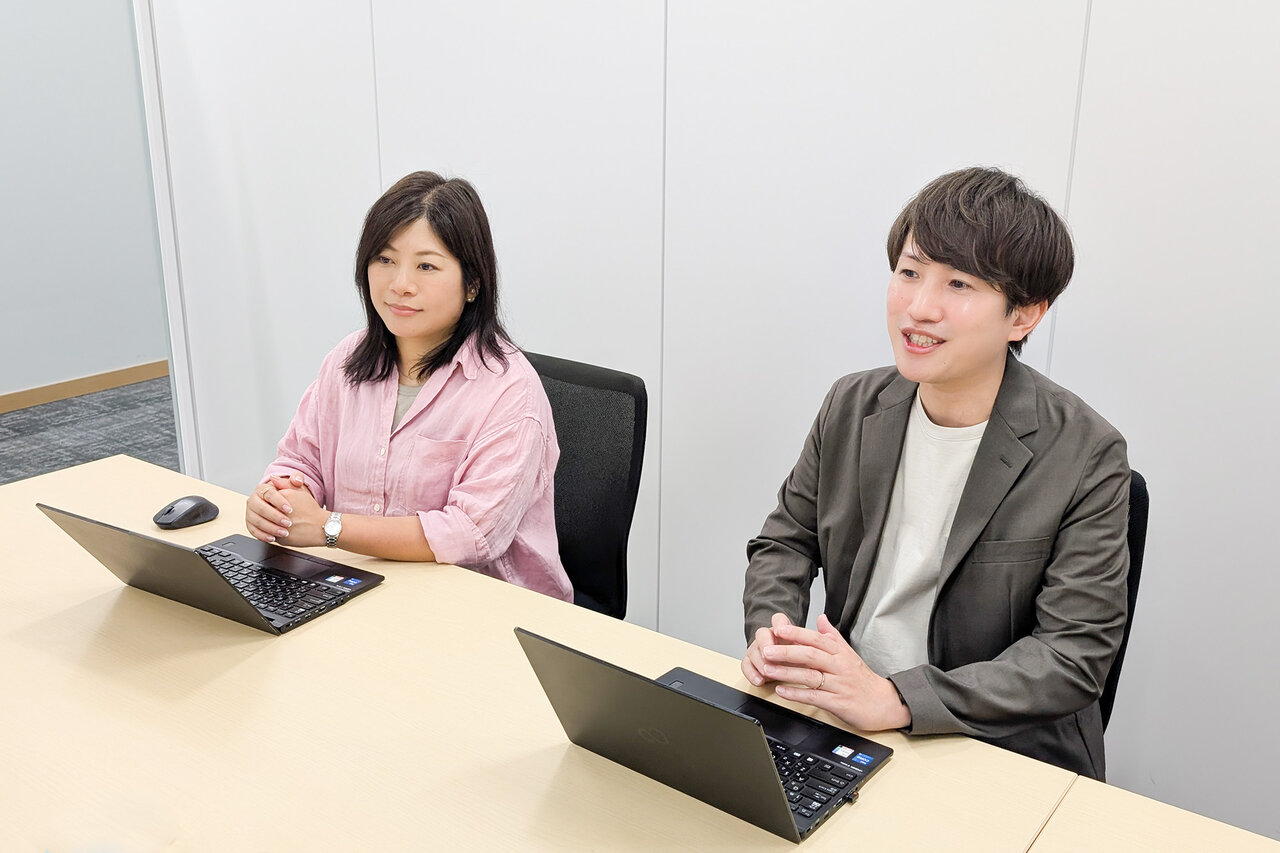
As parents familiar with Kodomo Challenge, we all laughed in agreement that toddlers somehow listen when Shimajiro speaks. Our discussion quickly turned into a lively exchange about just how much trust children place in him.
We asked what they hope children will learn and experience through Shimajiro.
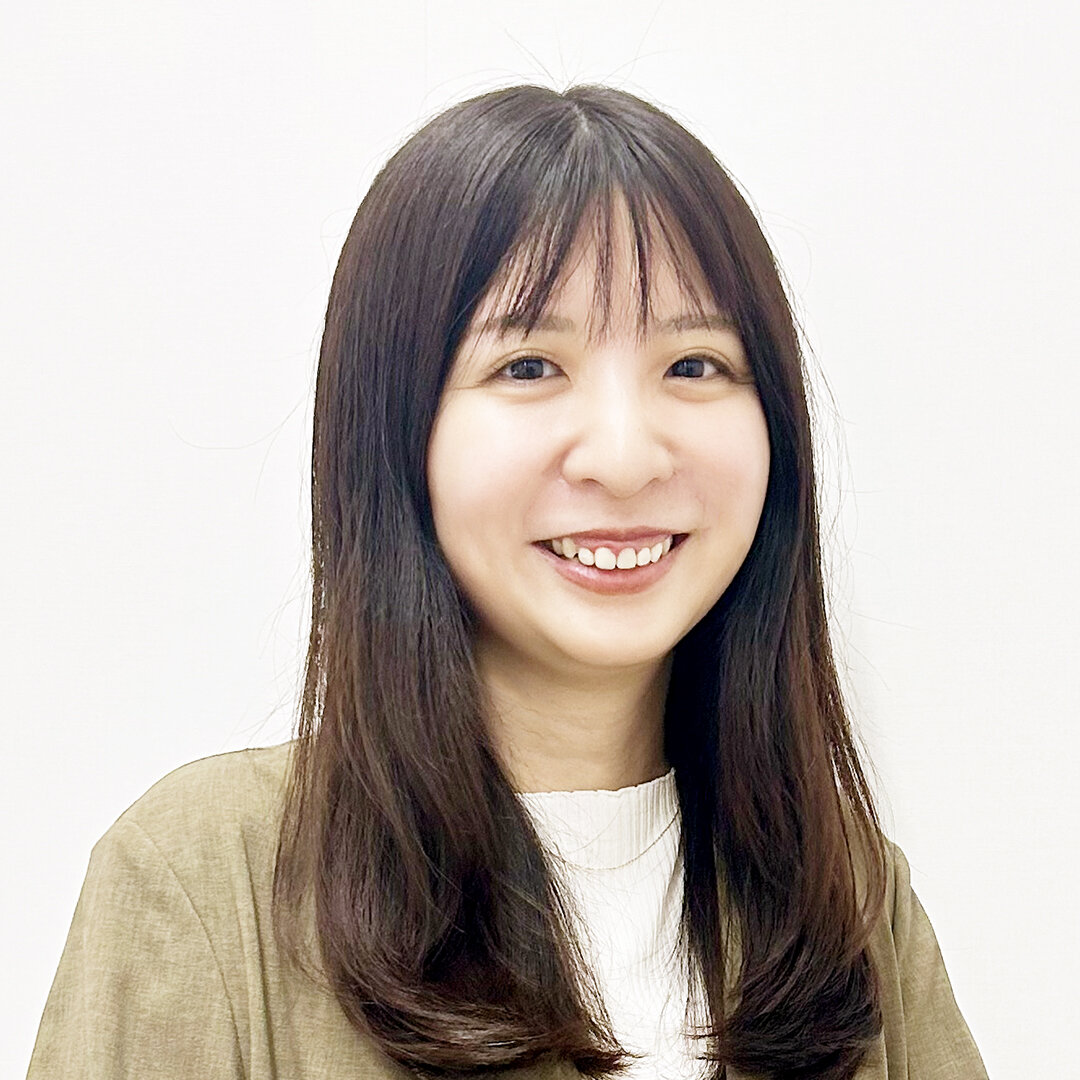
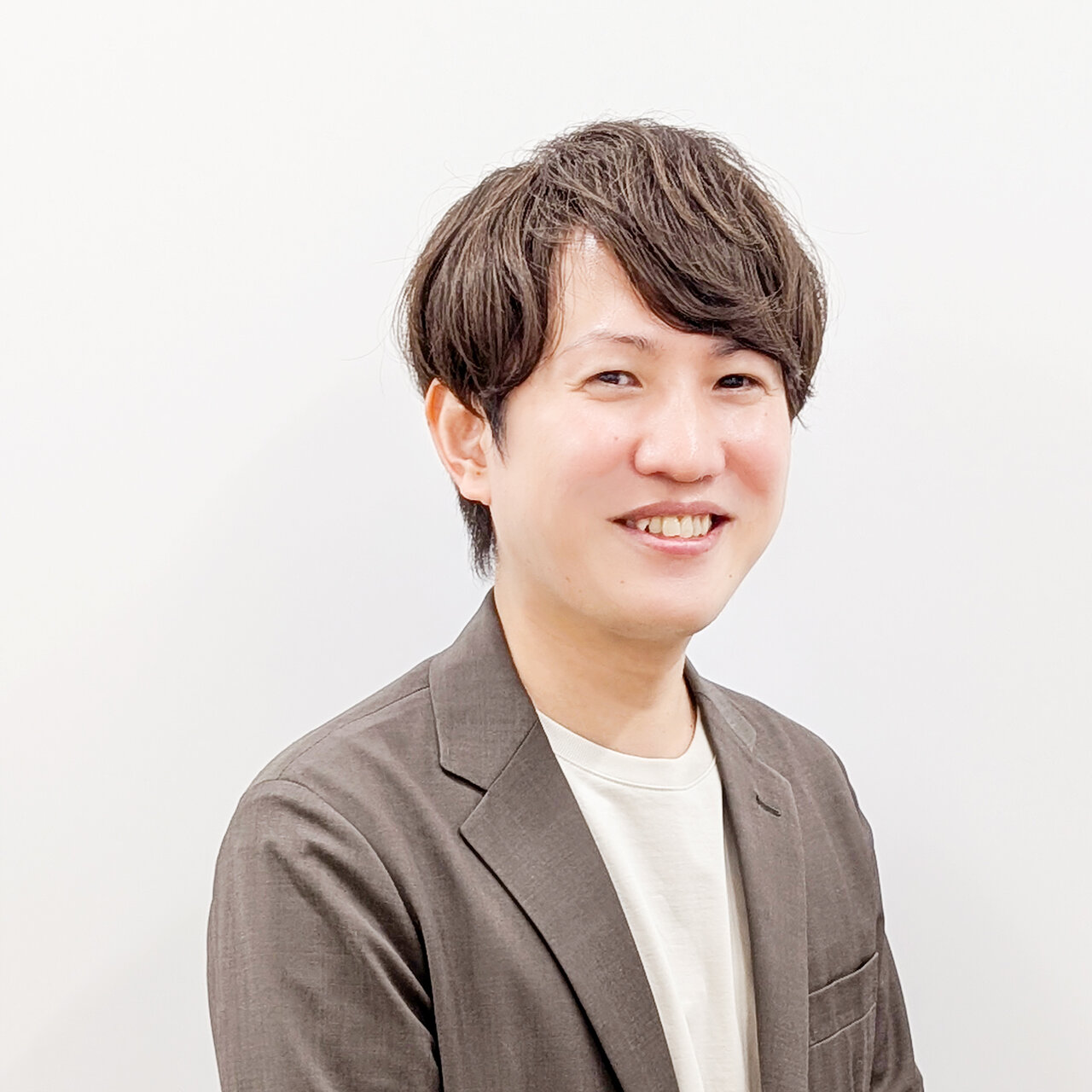
Senoo
Shimajiro is not a teacher. He stands right at eye level with the kids, growing alongside them with a shared excitement of wanting to try new things. That is precisely why, when they spot him in stores, kids naturally get curious on their own, asking things like why we are not getting a plastic spoon. Rather than an adult lecturing them, Shimajiro becomes the spark for a gentle conversation about not wasting things. We truly believe those genuine interactions are the very first educational step to care for our planet.
Aso
For children, shopping is one of their first steps to engage with society, choosing products, paying at the counter, and experiencing how daily life works. If those ordinary store visits can also encourage them to ask what is good for the environment and inspire small positive actions, then we have achieved something valuable.
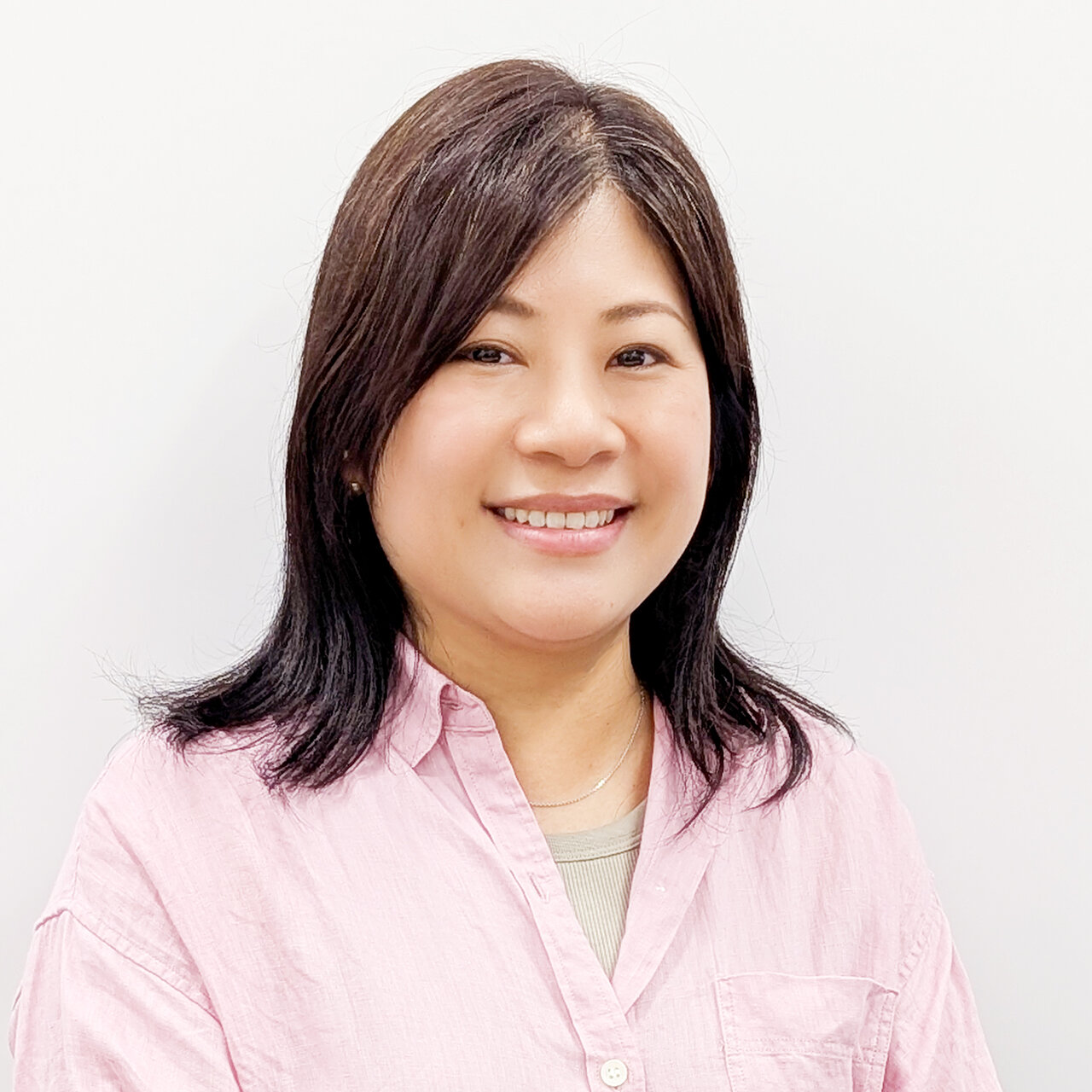
Liang
Learning does not happen only at school or at home. Ordinary shopping trips can also spark a child’s curiosity about sustainability. Being so close to daily life, 7-Eleven is in a unique position to create those small but memorable moments.
Asupresso
We really appreciate that the conversation starts with a child's questions rather than an adult explaining everything. It is wonderful that a visit to 7-Eleven can become a positive educational experience for families to share together.
Stores Are Full of Fun Ways for Families to Learn Together
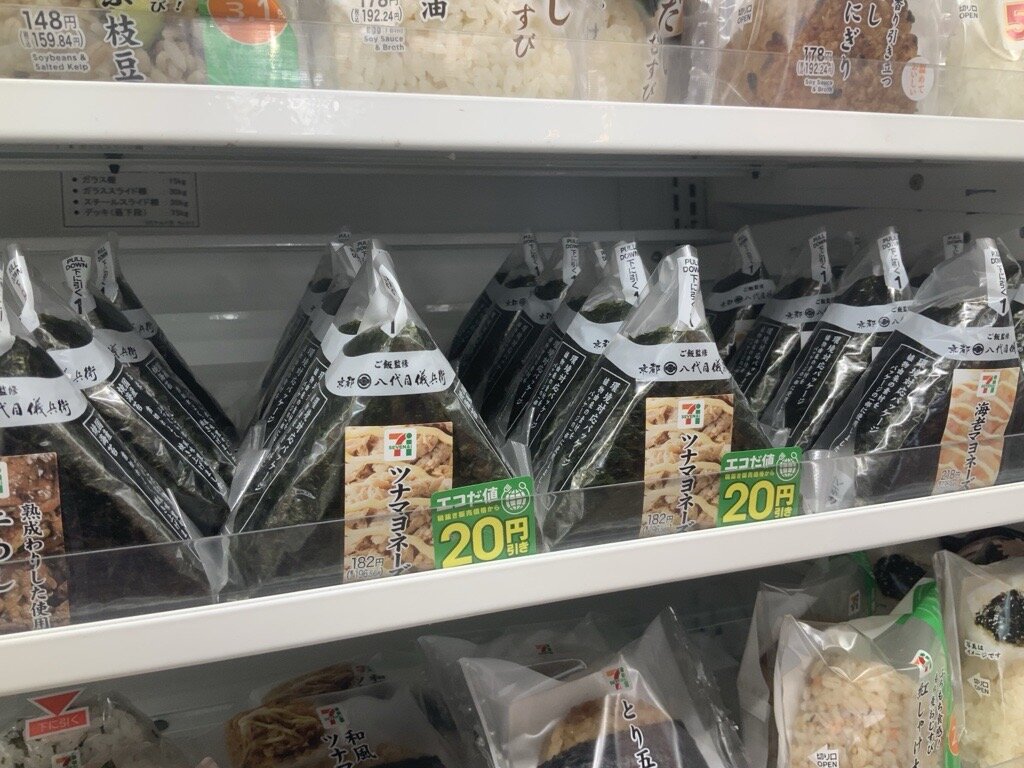
Inside 7-Eleven stores, you will find various eco friendly efforts like Eco-dane discount labels and Temaedori, the practice of selecting items from the front of the shelf. What all of these share is a single heartfelt wish to help people enjoy doing good for the planet without feeling forced. They are thoughtfully designed to turn routine shopping into a natural chance for parents and little ones to think about sustainability together.
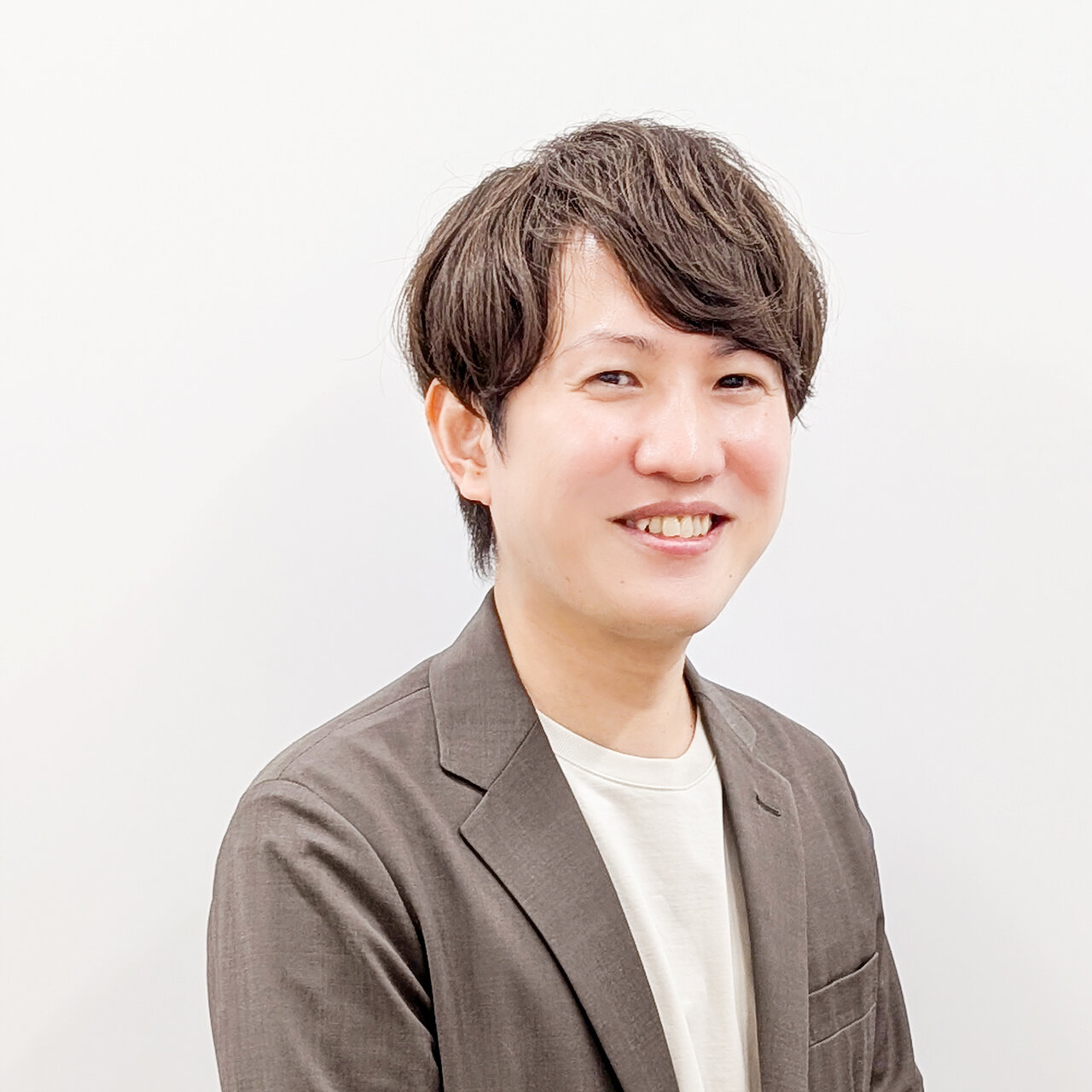
Aso
Hearing "environmentally friendly" can sometimes sound like a chore or a compromise. But at Seven-Eleven Japan, what matters most is keeping things easy, enjoyable, and sustainable over time. Programs like Eco-dane discounts and Temaedori shelf front picking are built on that exact philosophy.
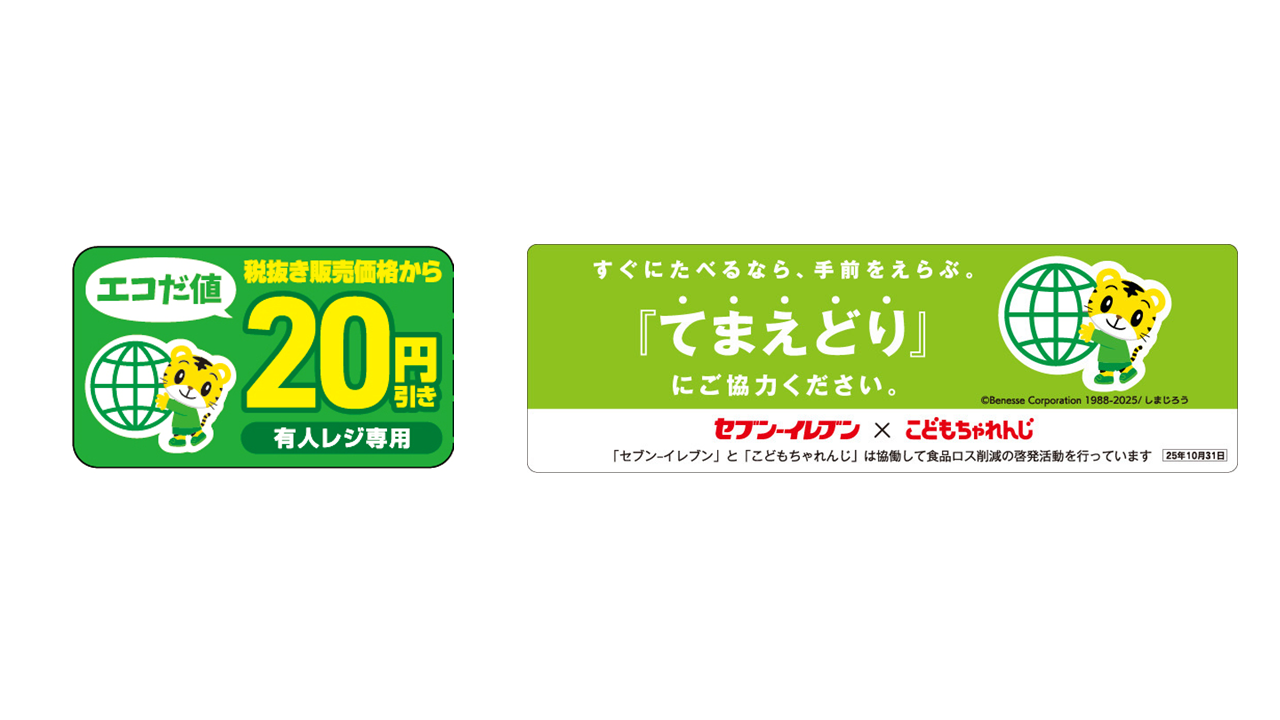
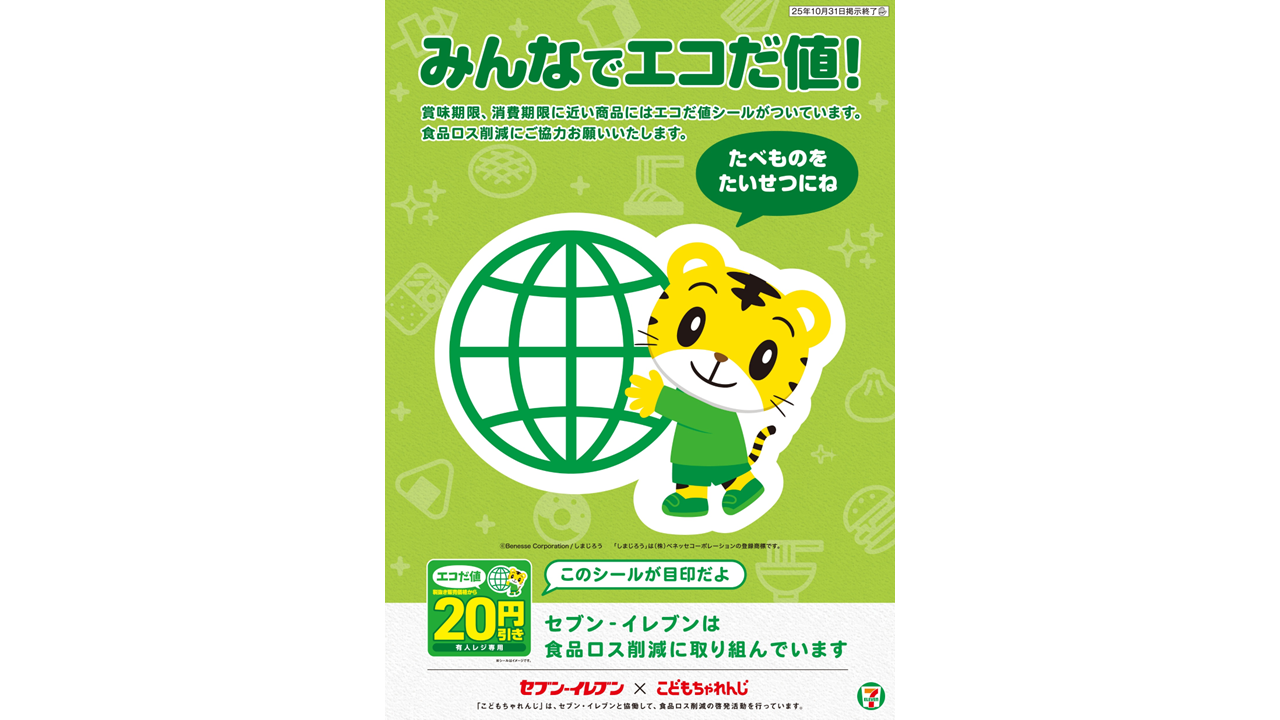
Eco-dane discount stickers and Temaedori shelf displays encouraging food waste reduction inside 7-Eleven stores.
Liang
The Eco-dane stickers I oversee are placed on products discounted because they are approaching their best before or use by date. If customers plan to eat the item soon and choose one of these products, they are helping reduce food waste through a simple daily decision.
Asupresso
The green Shimajiro holding the Earth is so adorable. We also noticed that he is a different color from the character we are used to seeing.
Liang
This green version was actually a brand new design created by Benesse around the theme of the environment. Right when our team at Seven-Eleven Japan was discussing how amazing it would be to collaborate with Shimajiro, we learned about this green design and we immediately knew this was the one.
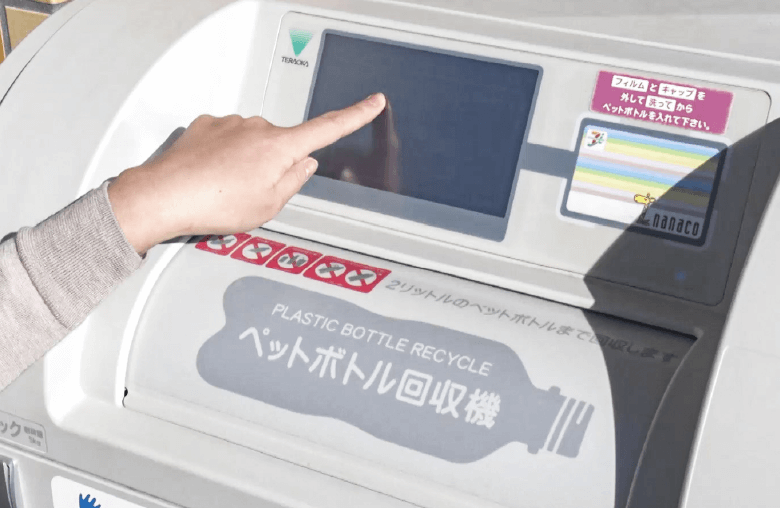
Alongside Eco-dane, we learned that 7-Eleven offers plenty of easy ways to take action while shopping, like Temaedori, using in store plastic bottle recycling machines, or providing plastic cutlery only upon request. Every program is designed to let shoppers participate effortlessly in daily life.
Senoo
There are so many moments during a regular store visit when children can naturally experience the idea of appreciating resources. What is important is not telling them to do something because it is good for the environment, but encouraging them to think whether they still can use something or if they really need it. Buying only what you need, declining a plastic spoon, using a recycling machine, through these small daily choices, children gradually realize that their actions connect to the wider world. It is precisely because it happens during routine trips rather than formal study that kids can naturally enjoy building these habits.
Liang
That is exactly right. I remember one time when I was shopping at the supermarket with my daughter. She happily came over and told me she picked the yogurt from the front.
Asupresso
That is wonderful. She did not just understand the idea, she actually made the choice and acted on it herself.
Liang
It made me truly happy. Beyond that, she will even gather up empty plastic bottles and egg cartons from around the house to take to recycling bins. Watching her enthusiastically drop them into the collection box one by one, we can really feel that it has become second nature to her.
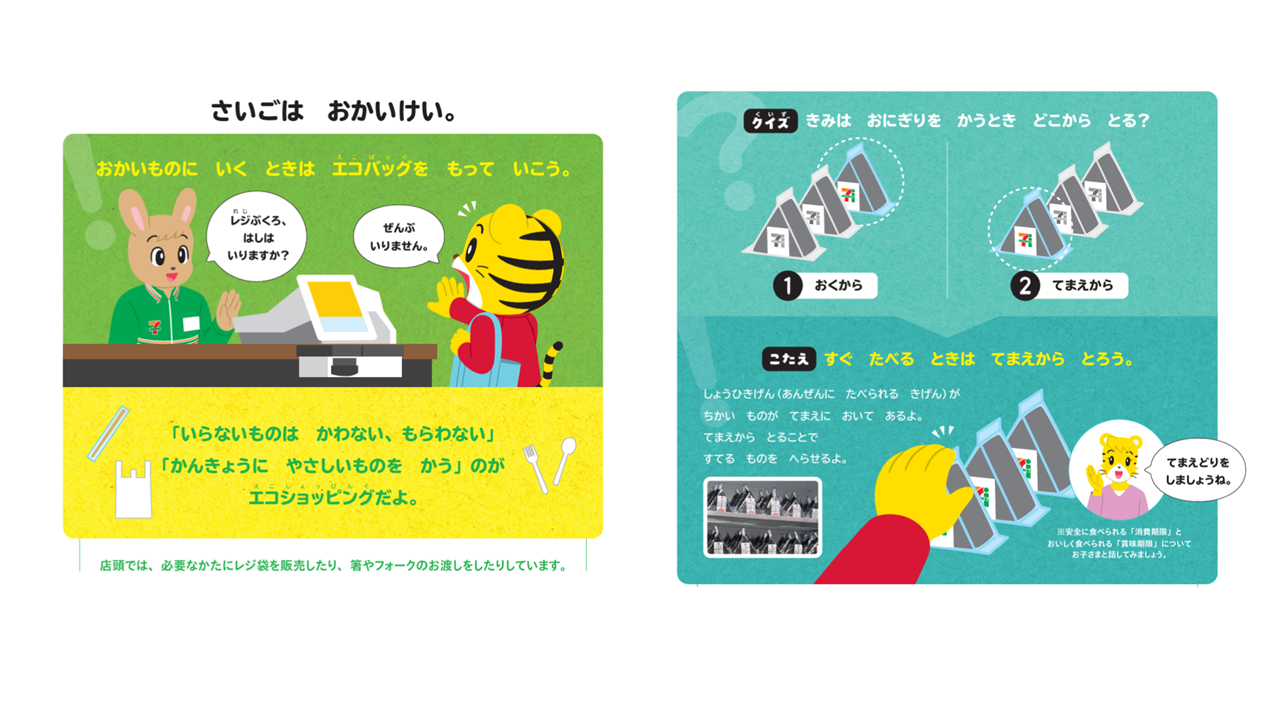
A booklet for Kodomo Challenge members was also created and distributed.
The program received positive feedback not only from customers visiting 7-Eleven stores, but also from employees with young children.
Celebrate Every Little Achievement Together
When your child points to a Shimajiro sticker or in store display and asks why an item is cheaper or why we take products from the front, how should you answer?
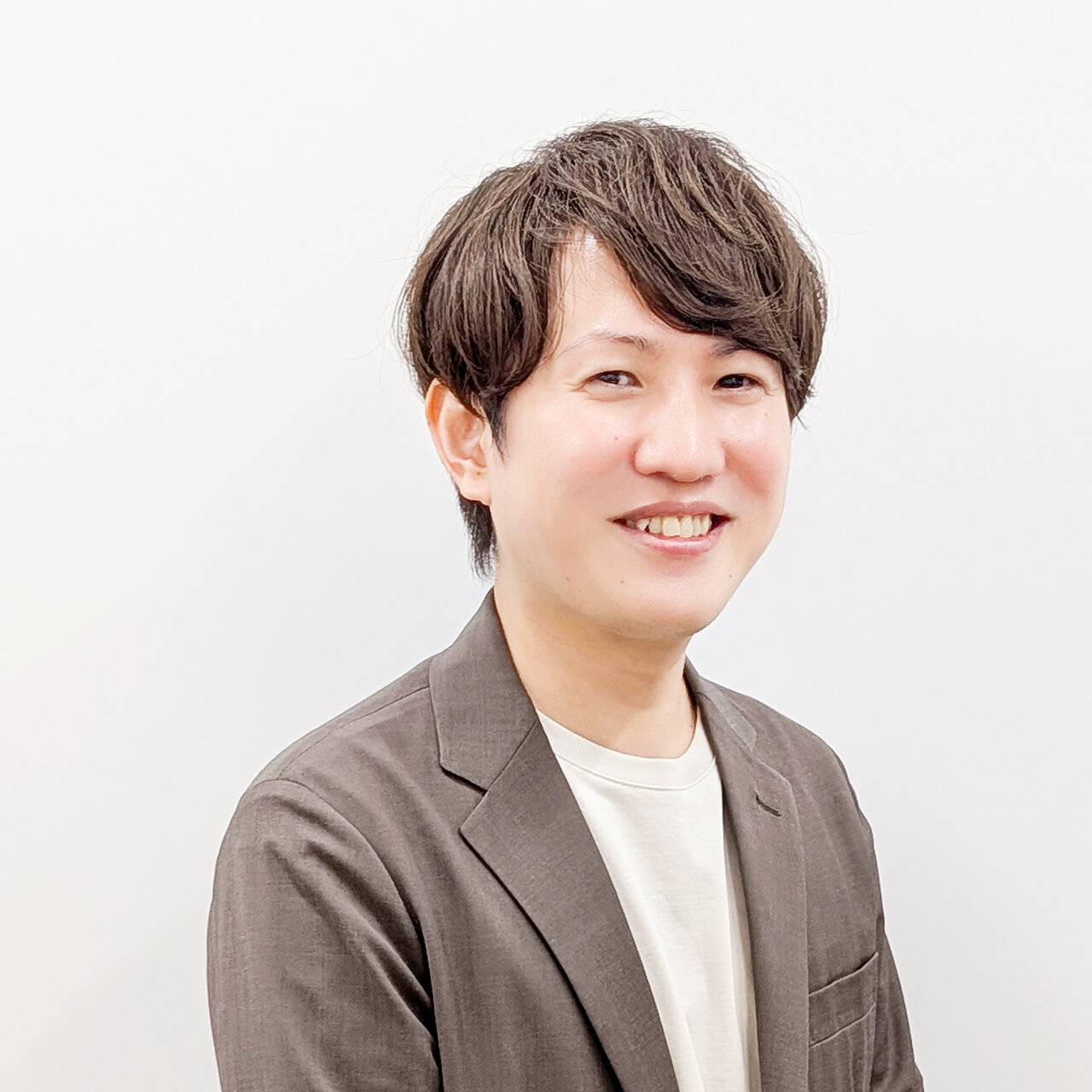
Aso
I have two toddlers myself, so I am always thinking about how to explain these things in a way they will understand. Environmental topics can actually be surprisingly difficult to explain using words alone.
Asupresso
I know exactly what you mean. As parents, we sometimes feel like we have to come up with the perfect explanation.
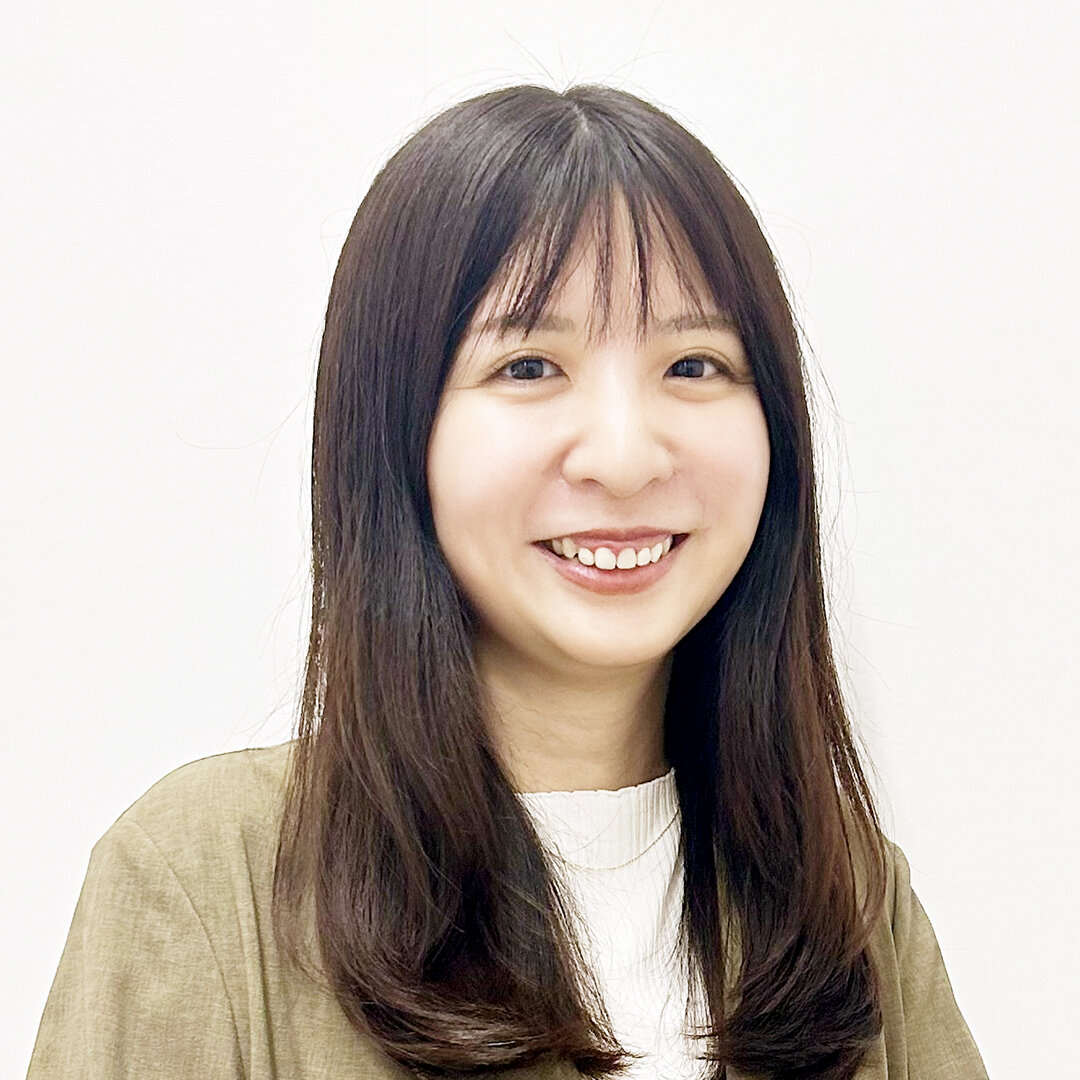
Senoo
We believe that the starting point for environmental education in early childhood is helping children develop a sense of mottainai. There is no need to teach complicated concepts. Taking good care of toys or using a crayon until it is completely gone, these daily experiences are where it all begins. When they learn to value things, that feeling naturally grows into thoughts like "maybe we can still use this," fostering consideration for both people and resources. So honestly, simply talking about not wasting things together as family is already a wonderful first step.
Asupresso
That sounds like something anyone can start right away. For example, when a child chooses to say "no spoon please" on their own, that is a positive experience in itself, isn't it?
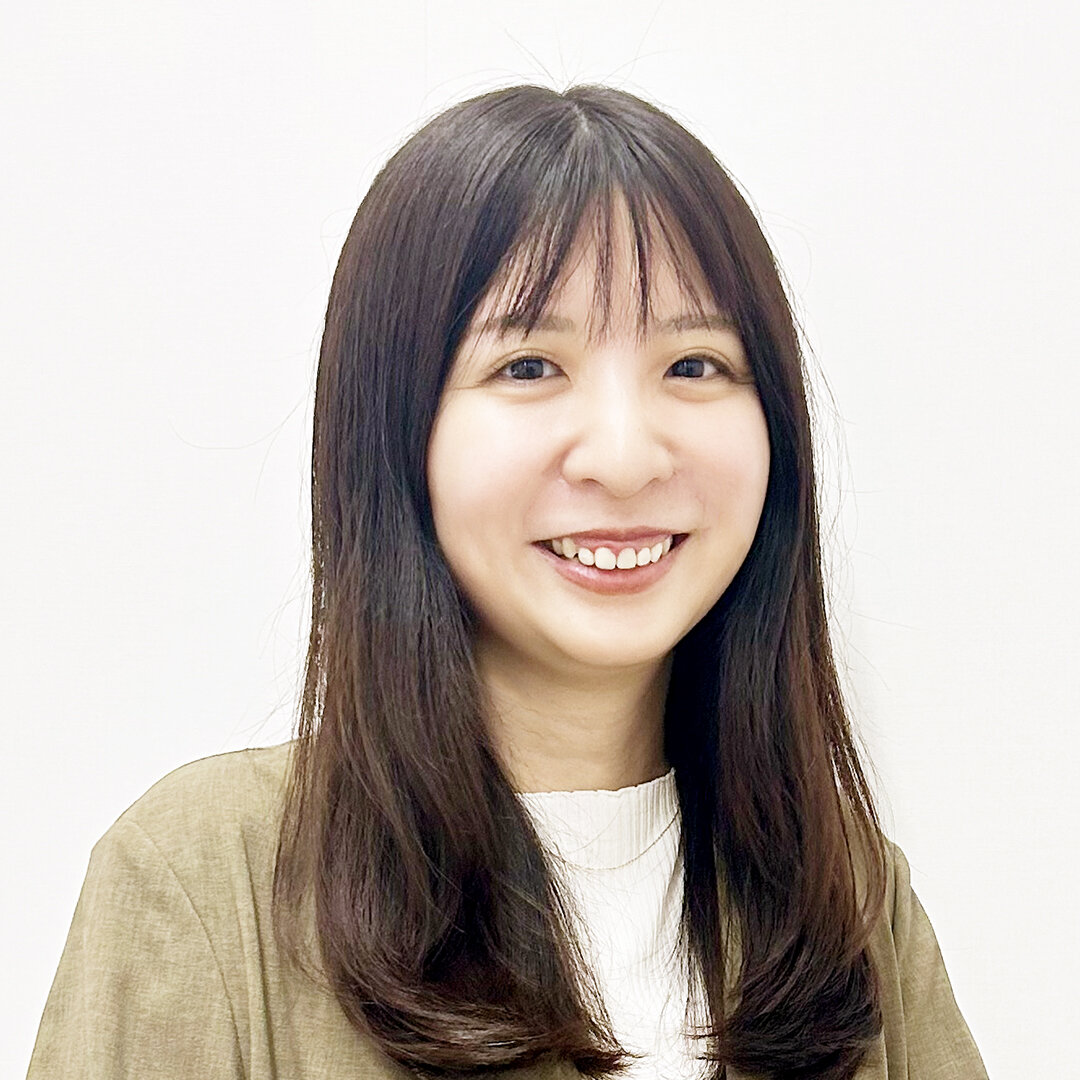
Senoo
Absolutely. When a child thinks "we already have one at home so I do not need another," makes that choice, and expresses it in their own words, it is a very impactful experience. In doing so, they are also developing the kindness to think about leaving it for someone who really needs it. The ability to think for themselves and to consider others are qualities that will be increasingly important in the future.
Asupresso
So it is not just about helping the environment, it also supports a child's growth and development. Thinking of it that way makes it much easier for parents to start those discussions.
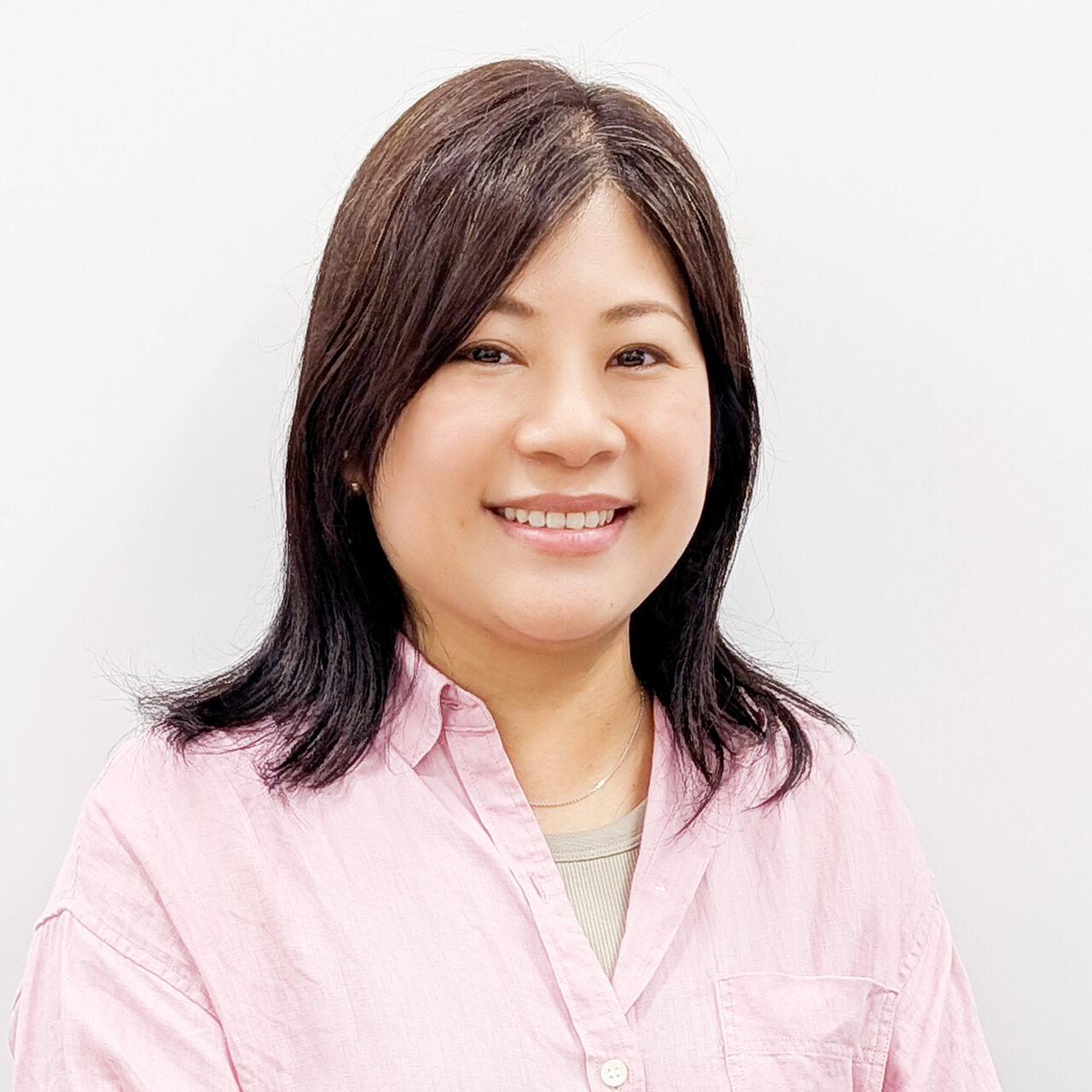
Liang
For children around four or five years old, I think it is a great time to start talking about the concept of mottainai. By that age, many children are already able to understand the concept, making it a natural opportunity to introduce it in a way that resonates with them.
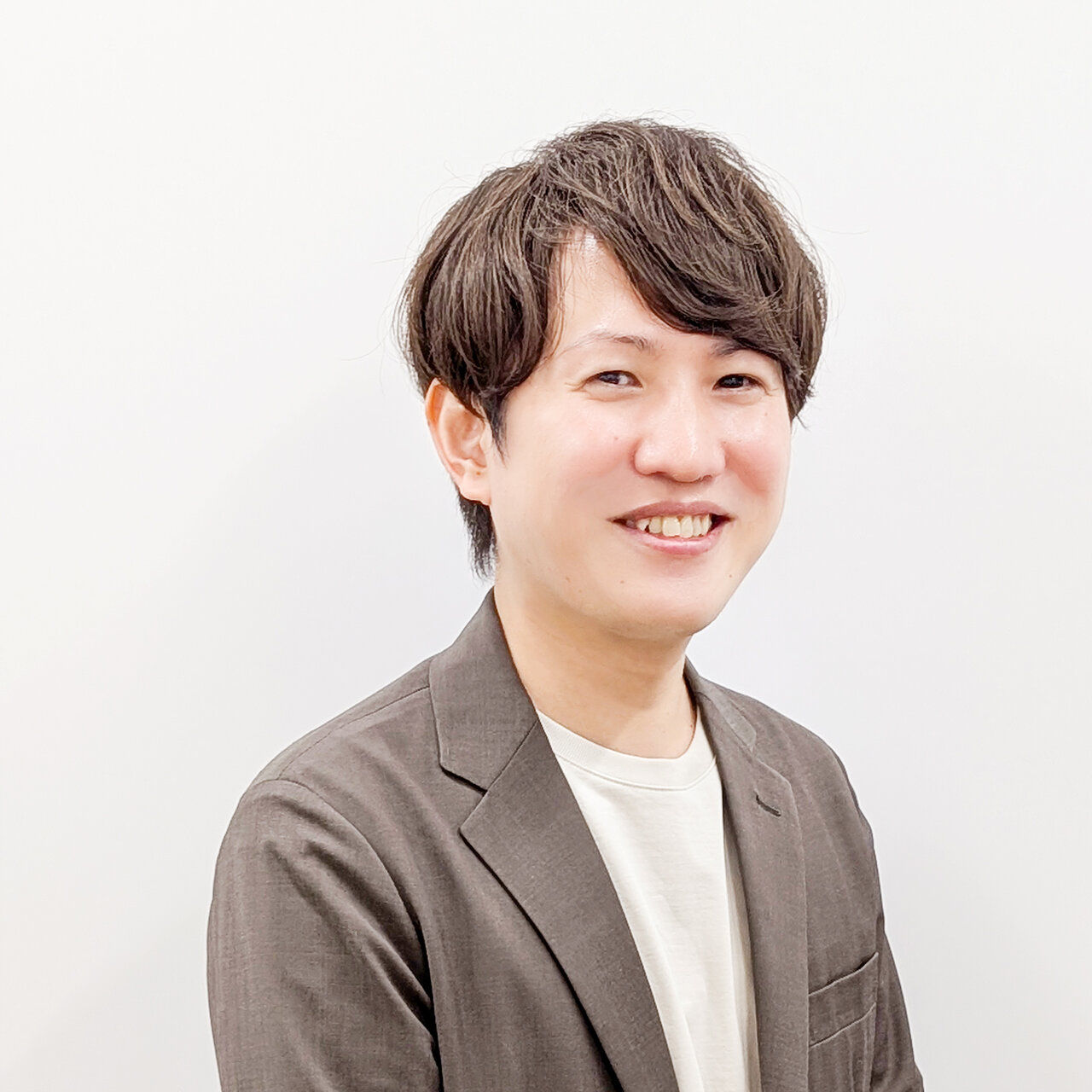
Aso
It is completely fine if kids do not get the whole picture behind food waste or what Temaedori actually stands for. At the end of the day, what would make me happiest is simply creating moments for families to connect and celebrate together, "Look, we did it with Shimajiro!"
Throughout the store, we can find lots of small milestones that turn an ordinary visit into a series of positive accomplishments. The next time you visit 7-Eleven, take a look around and see if you can spot some of the efforts introduced in our conversation today.