What Lies Beyond the Challenge? The Candid Voices of SMiLE Business Contest Finalists
In the course of our daily work, we encounter challenges on the front lines. At times, a small sense of discomfort catches our attention in an unexpected moment. Yet when swept away by busyness, these moments can easily be dismissed as "just part of the job." But when we pause and take a closer look, that discomfort can become the seed of a new business idea.
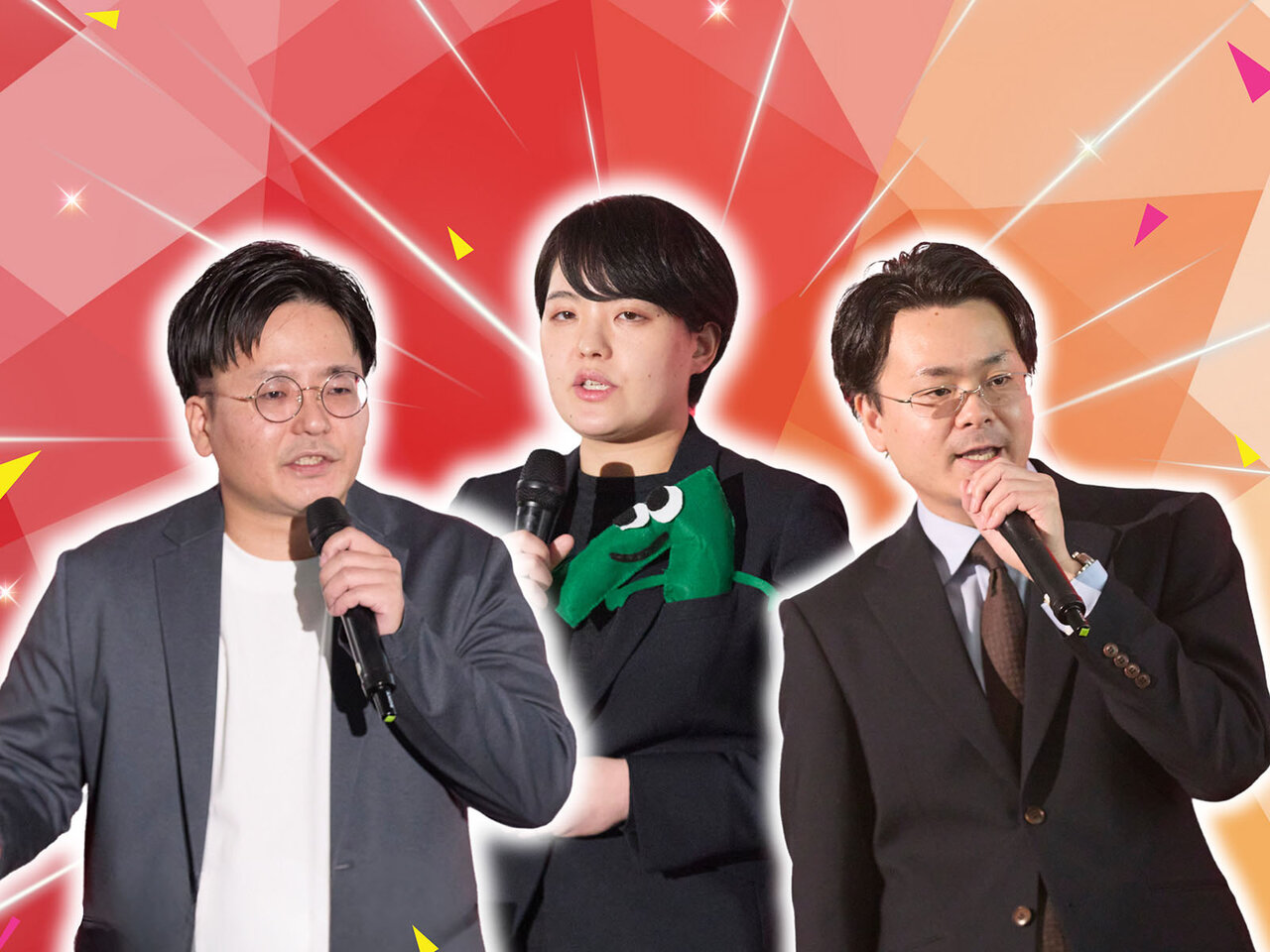
This time, three finalists from "SMiLE 2025," a Social Impact Business Plan Contest hosted by Seven & i Holdings and launched in 2022, came together to share the stories behind their challenges.
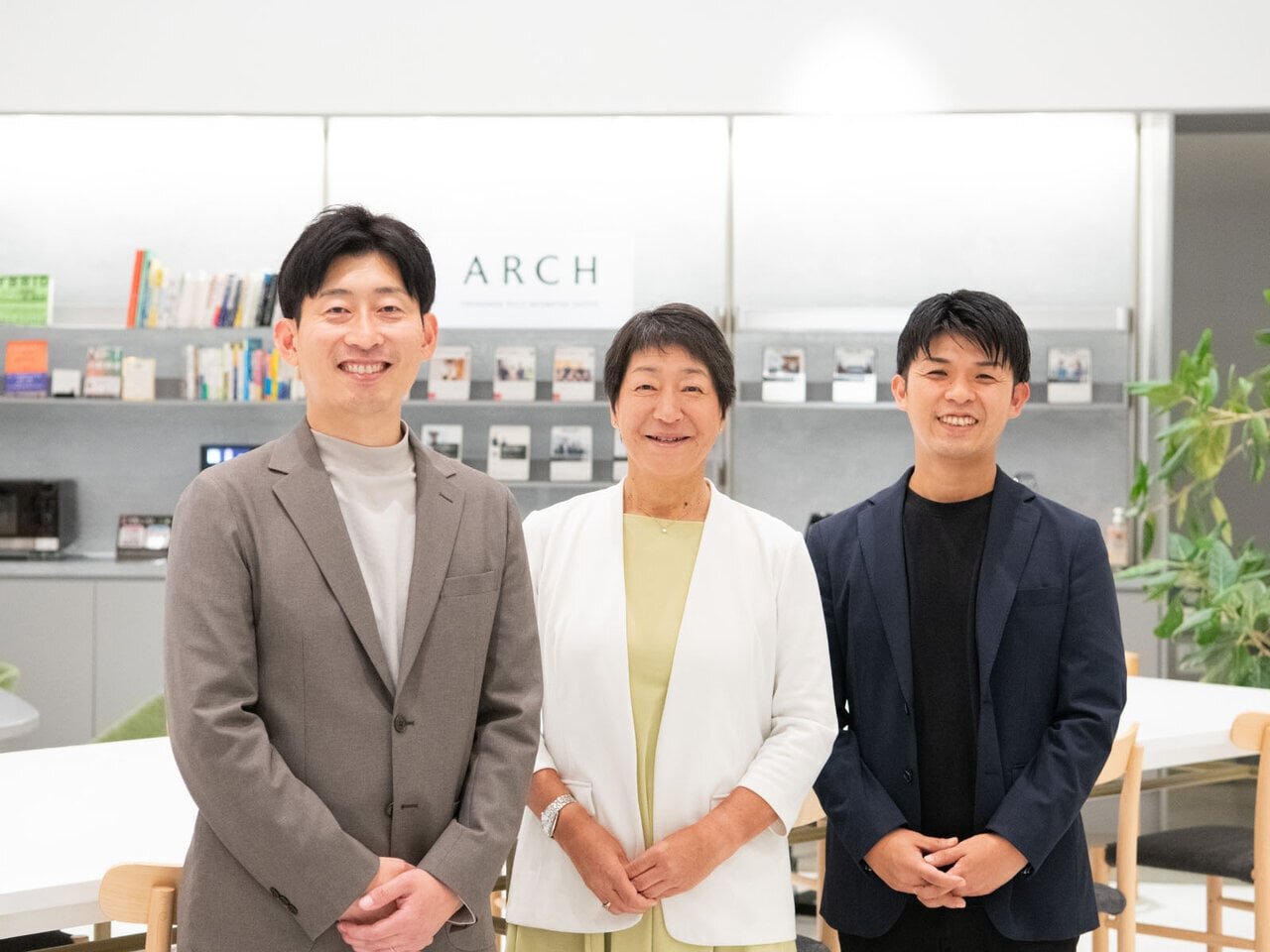
Meet the Guests Featured in This Edition of Crossroads
Hirata (Seven-Eleven Japan)
Former: Operations Division, West Tokyo Zone Operation Field Counselor (OFC)
Current: New Business Planning Division Business Creation
Recipient of the SMiLE 2025 Runner-Up Grand Prize and Audience Award
Proposed Project:
A buffet-style restaurant, “Green Table,” utilizing freshly prepared surplus ingredients originally scheduled for disposal from daily production facilities.
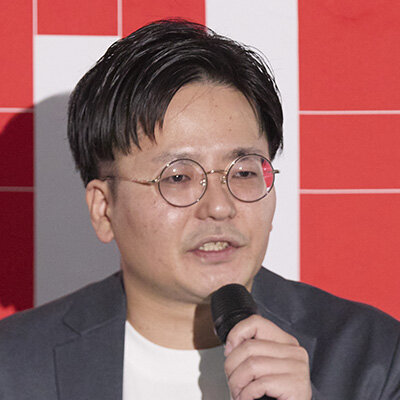
Fukuda (Seven-Eleven Japan)
Former: Franchise Store Support Department Recruitment, Staffing & Human Resources Support
Current: Franchise Support Division Franchise Labor Affairs, Recruitment & Employee Benefits
Recipient of the SMiLE 2025 Runner-Up Grand Prize
Proposed Project:
"Sukimatch"* — a gap-time job matching service that supports everyone’s desire to work.
* "Sukimatch" combines sukima ("gap" or "spare time") and "match," expressing the idea of connecting people with job opportunities that fit into the gaps in their day.
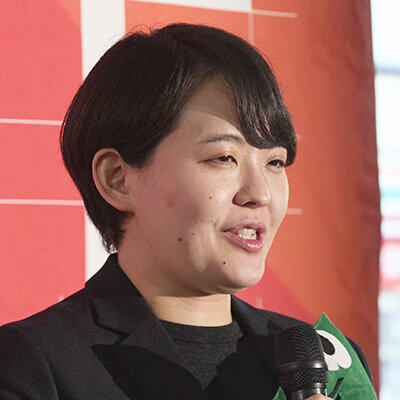
Kanaya (Seven-Eleven Japan)
Franchisee Training Department Employee Training Support I Hokkaido ZO Trainer
From March 1, 2026, concurrently serving in:
Franchise Store Support Department Franchise Labor Affairs, Recruitment & Employee Benefits
Recipient of the SMiLE 2025 Special Jury Award
Proposed Project:
"SebuSpo"* — a spot-work talent-sharing platform exclusively for individuals with Seven-Eleven experience.
* The name "SebuSpo" comes from Seven-Eleven and "spot-work."
* OFC (Operation Field Counselor) refers to employees who provide management counseling to franchise owners.
* The above affiliations are as of the time of the interview (late January 2026).
It All Began with the Challenges Right in Front of Us
— The ideas you proposed at SMiLE 2025 focused on spot-work services addressing "talent shortages" and initiatives aimed at "reducing food loss." Both themes addressed social "pain points"—areas of unmet need that represent real challenges faced by people.
While such issues are easy to notice, they are often overlooked precisely because they are not simple to solve. And yet, none of you chose to turn away from them. What made you face these challenges head-on?
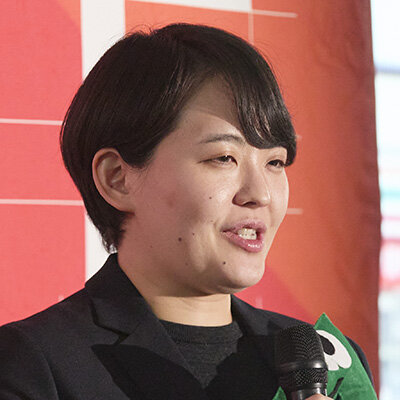
Kanaya
I have seen many franchise owners struggle with staff shortages. The reasons vary widely, but some continue to run their stores despite not having enough staff.
Through SMiLE, I began to feel that perhaps we could help resolve this issue of labor shortages.
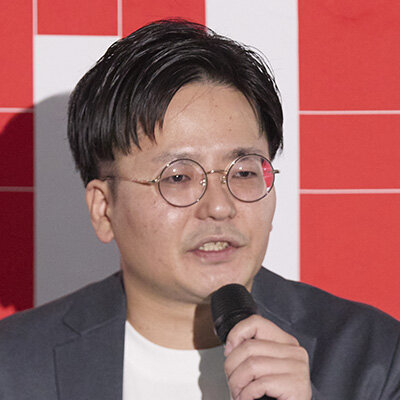
Fukuda
I am responsible for supporting part-time recruitment for franchise stores. Labor shortages often arise when the working hours desired by stores and those sought by job seekers don’t align well.
What I feel on the ground is that while there are stores struggling with staff shortages, there are also many people who are eager to work. When I wondered if there was a way to bridge that gap, I remembered a story shared by a certain franchise owner.
The owner stayed connected with former employees, who would come back to help whenever the store was short-staffed—so they had never experienced a labor shortage. That made me think: what if a system like this could be accessible to everyone? That’s how "Sukimatch" was born.
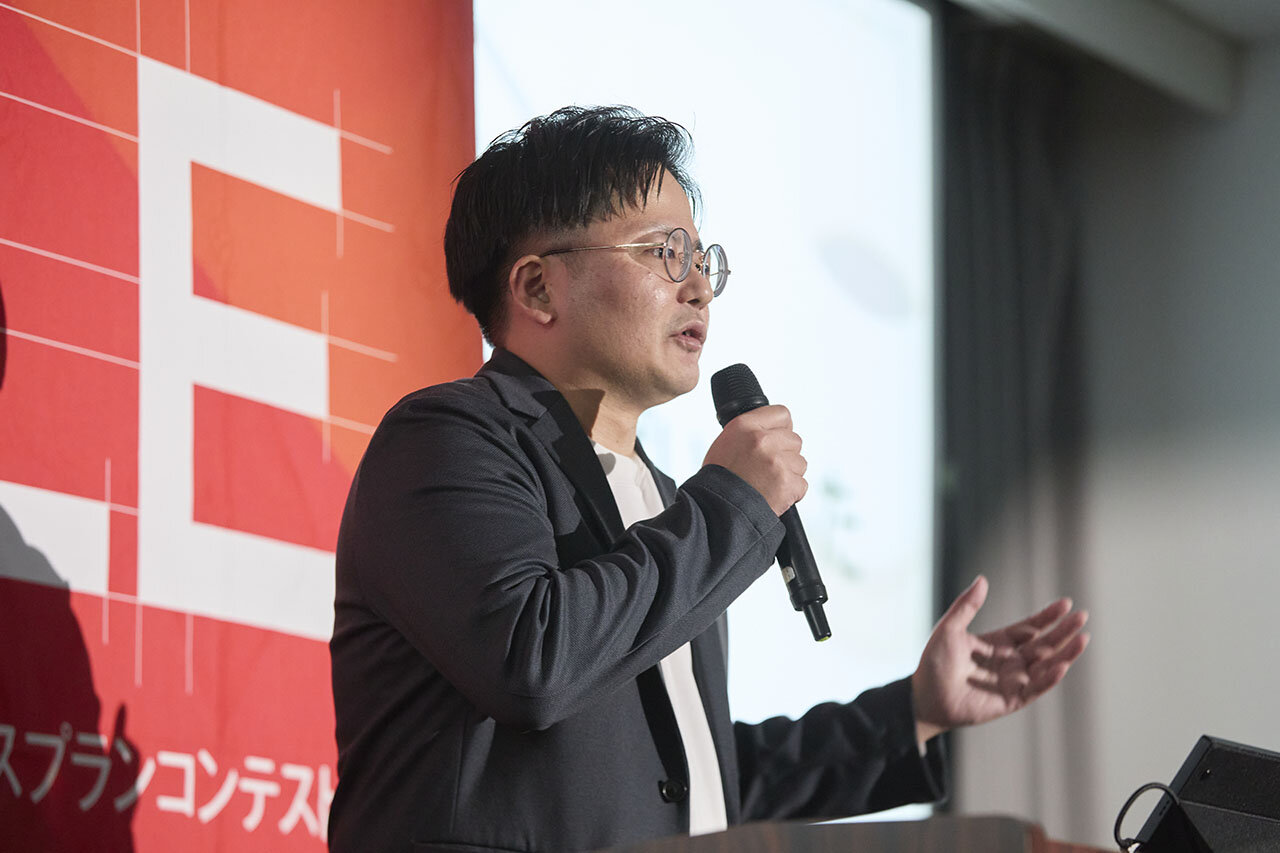
Fukuda presenting at SMiLE 2025
Kanaya
There are truly many people who want to work at 7-Eleven. I currently oversee employee training support for franchise stores, and recently I’ve been hearing comments like, "7-Eleven job listings are appearing on popular spot-work services, so I want to gain experience there."
That made me think—if that’s the case, why not create our own spot-work service exclusively for people with 7-Eleven experience? That’s how I began developing the idea for "SebuSpo!"
Hirata
Many of the stores I oversee are already using spot-work services. However, the idea of systematizing it within Seven-Eleven Japan itself had never occurred to me.
If talent could move within the group, that would definitely be a logical approach. It made me realize that what we’re looking for is often closer than we think.
Fukuda
Hirata’s "Green Table" is a perfect example as well. We often hear about the issue of food loss, but I was truly impressed by the decision to focus on production facilities.
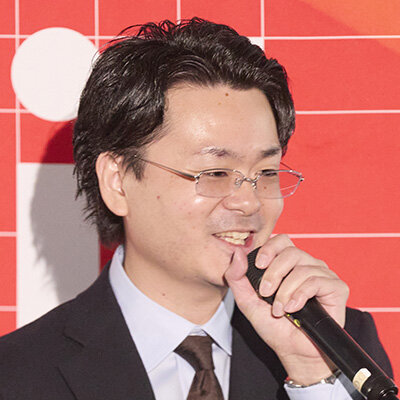
Hirata
The idea came to me during a factory tour I joined this past May. While speaking with the plant manager, I learned for the first time that a certain amount of waste inevitably occurs at production facilities. Even products with no issues in freshness or taste are discarded or repurposed as animal feed simply because there is a discrepancy between supply and order quantities.
While I understand that this is done to ensure safe and reliable products for customers, I couldn’t shake the question from my mind: "Is it really okay for this to be thrown away just like this?"
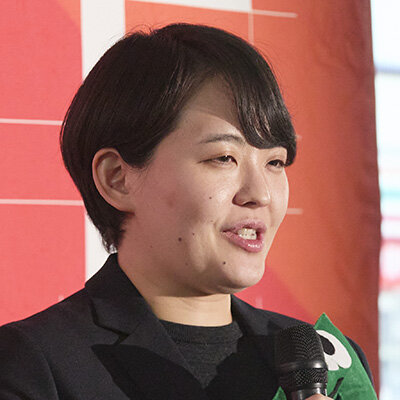
Kanaya
I’ve heard that, despite your busy schedule visiting stores, you proactively reached out to business partners and customers outside the stores as well. I’ve also worked as an OFC, so I understand very well just how challenging those efforts must have been.
Not as Rivals, but as Teammates Running Side by Side
— You were also competitors in SMiLE 2025, yet from this conversation, there’s a clear sense of mutual respect. During the contest period, how did you view one another?
Hirata
It’s true—since it was a business contest, we were technically rivals. But in reality, it felt more like we were teammates building something together.
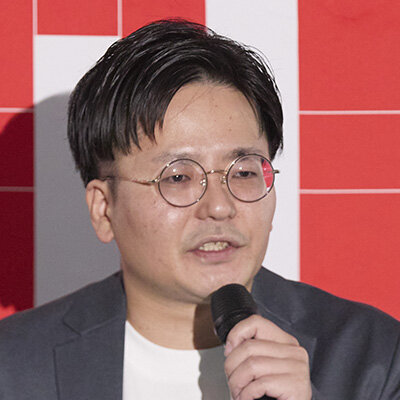
Fukuda
The "Open Mentoring" session held one month before the final judging was especially significant. In front of the other participants, we delivered our pitches to the mentors just as we would in the actual finals, and then received direct feedback. That setting was incredibly motivating and inspiring.
Kanaya
Since the mentors were external experts, they evaluated our business plans without any bias or favoritism. Some proposals received high praise, while others were given tough criticism. In a good way, it was the kind of experience that really lit a fire under us.
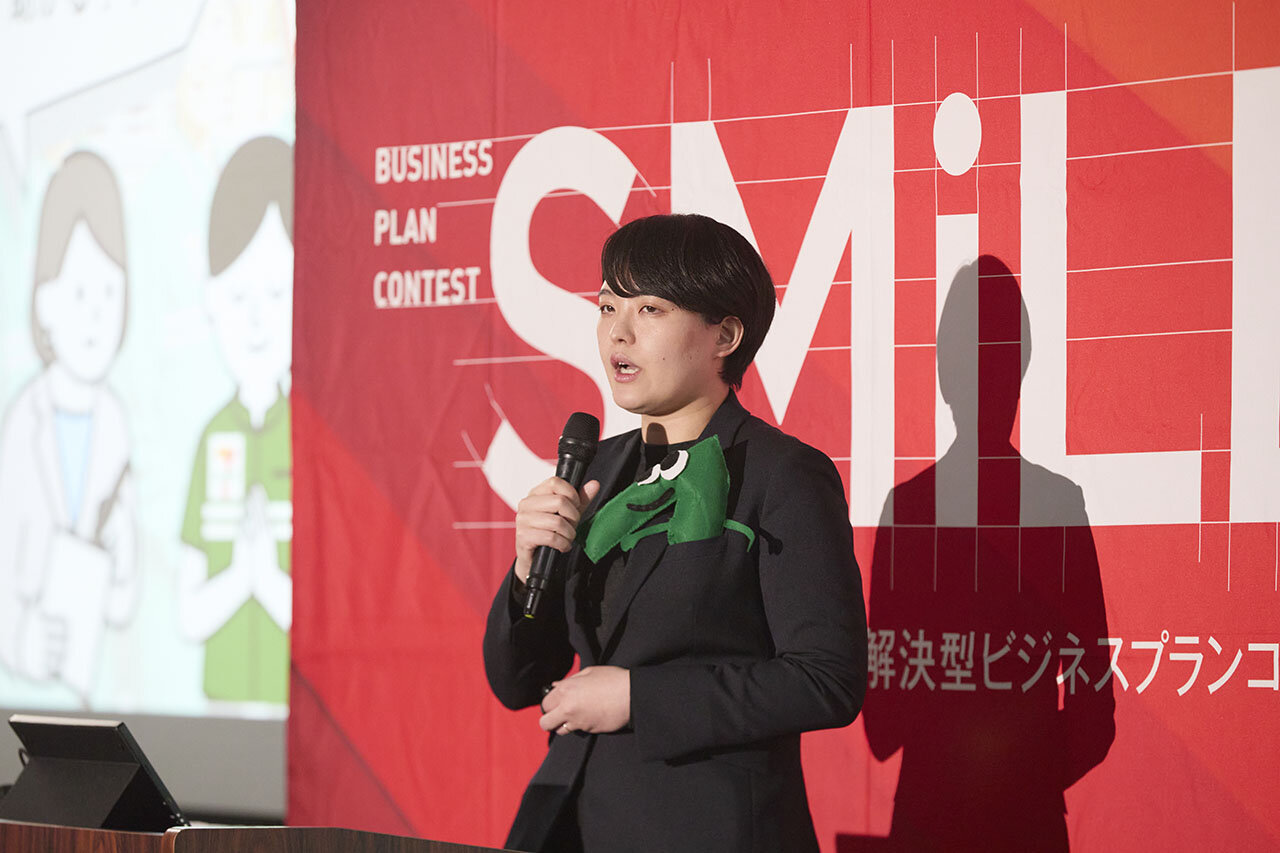
After completing the Open Mentoring session, Kanaya speaks with confidence. Pinned to the chest is Nanasuke, the original character Kanaya created while developing "SebuSpo!".
Hirata
It was an incredibly valuable experience—but definitely nerve-racking. I learned so much from both Kanaya’s and Fukuda’s plans. I believe we were able to elevate the quality of our ideas in such a short time precisely because we built strong connections with one another as finalists.
The One Step We Fell Short of the Grand Prize
— It sounds like you pushed each other to grow throughout the process. In the end, each of you received an award, yet the Grand Prize remained just out of reach.
Looking back, what do you think was needed to close that final gap?
Kanaya
Because my proposal focused specifically on a spot-work service limited to those with 7-Eleven experience, one factor may have been that the discussion remained centered on Seven-Eleven itself.
Another point is that I may not have fully articulated how the idea could contribute to store sales. I believe that positive, comfortable customer service can directly lead to an increase in customer traffic—but I wasn’t able to express that potential clearly enough.
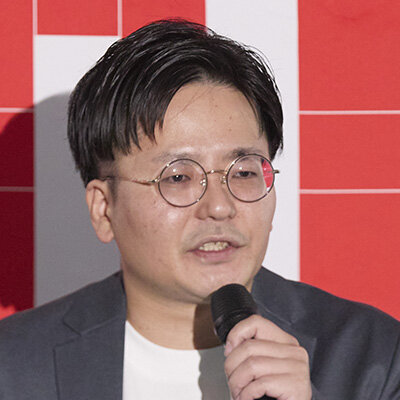
Fukuda
Since it was a business contest, the key question is whether the idea is worth investing in. I think the potential for scalability and future growth of the business is also an important factor. Perhaps that was the area where my proposal fell short.
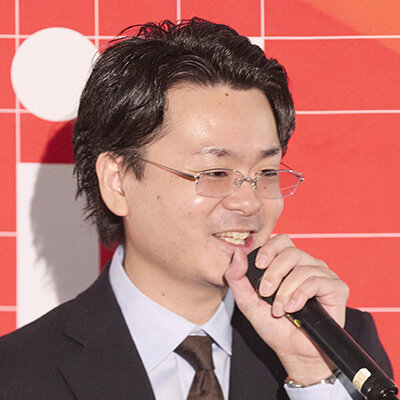
Hirata
I completely relate to that…! With "Green Table," I presented the concept of a buffet-style restaurant using fresh ingredients that would otherwise be discarded—but that’s really just one of many possible applications.
Reducing food loss could potentially lower costs, which might allow stores to offer lower retail prices or even improve profit margins. Not being able to fully demonstrate that broader impact was likely where I fell short.
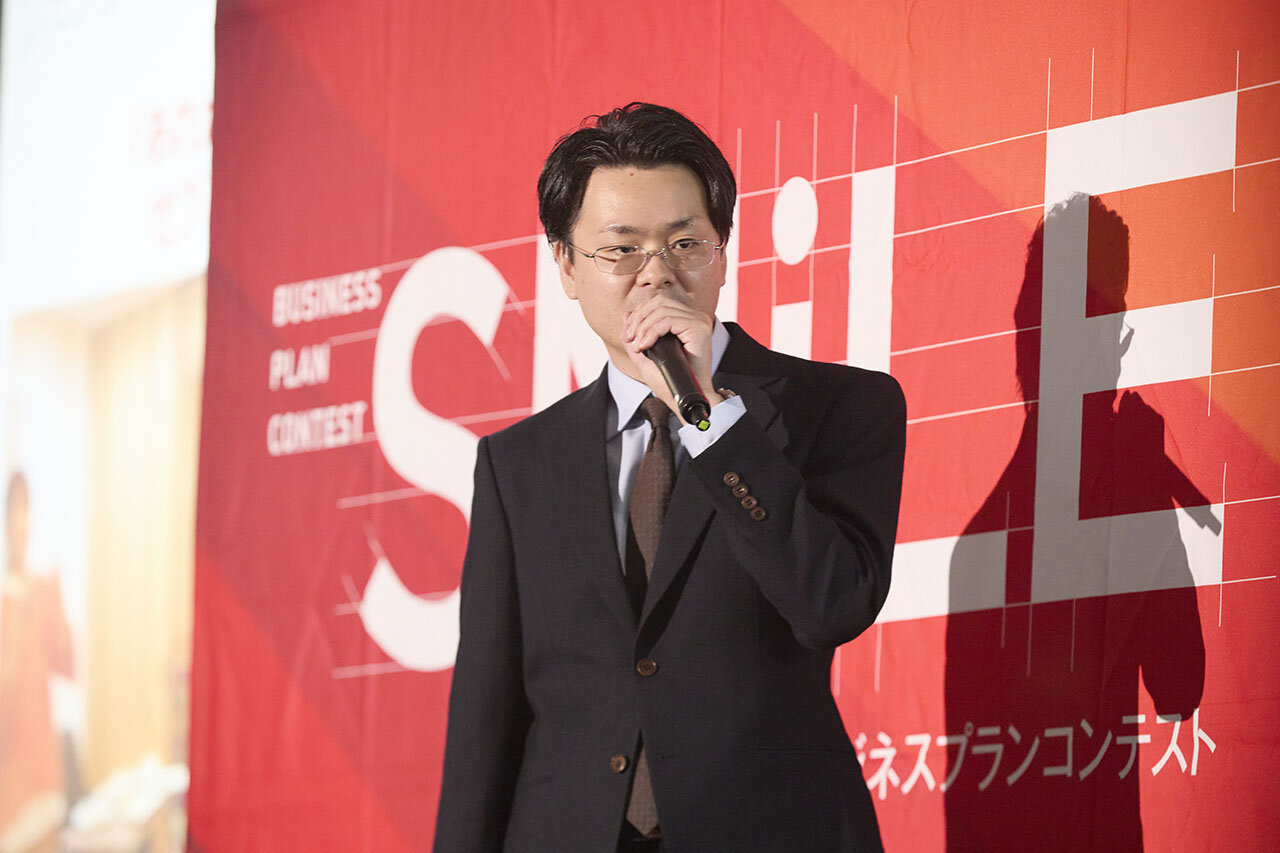
Although he did not secure the Grand Prize, Hirata’s presentation won the Audience Award, chosen by viewers.
— You’re all reflecting on the experience in such a positive way, but SMiLE is a contest that spans six months. Considering the amount of time you devoted to it, that’s not something just anyone could do.
Fukuda
For me, SMiLE was like "youth." The older we get, the fewer opportunities we have to devote ourselves wholeheartedly to something we truly care about for six months. Being able to focus so intensely on an idea I had conceived myself has become an irreplaceable treasure.
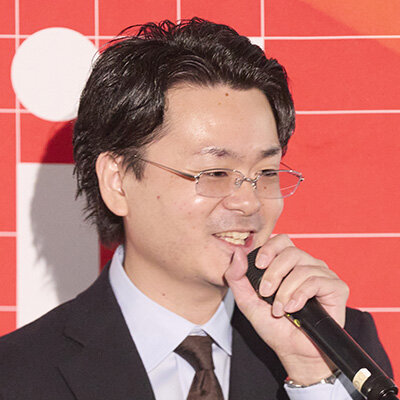
Hirata
Of course, there is some frustration. But through SMiLE, I was able to have honest conversations with factory managers, daily manufacturers, and people from various departments within the company.
Those encounters were possible precisely because I advanced to the final judging, and I truly feel they have become a tremendous asset.
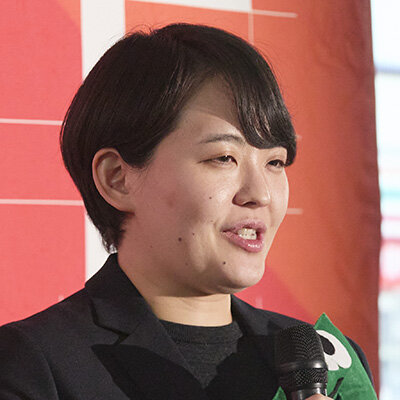
Kanaya
These past six months were a time of truly facing myself. There were moments when I struggled with feelings of inadequacy.
At the same time, it was a period in which I gained tremendous insights from people I would not normally have the chance to meet in my day-to-day work. As someone based in a regional area, I also have a desire to expand the possibilities of my own future career. In that sense as well, this experience meant a great deal to me.
The SMiLE Each of Us Aims For
— It seems that because you took on the challenge, you were able to encounter entirely new horizons.
To close, could you share your aspirations for SMiLE moving forward?
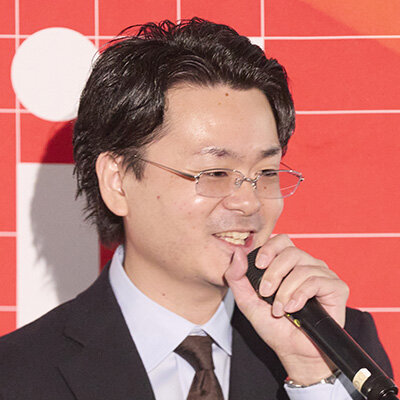
Hirata
I enjoy coming up with new ideas, so I might apply again next year. I think taking on the challenge as a team next time is one option, and helping to support the operation of SMiLE also sounds interesting. Whether as a challenger or as someone supporting from behind the scenes, I’d love to continue being involved with SMiLE in some way.
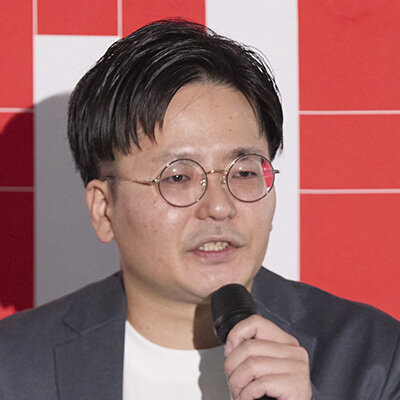
Fukuda
I’d like to use this sense of frustration as motivation and take on the challenge once again. I feel there’s still plenty of room to refine "Sukimatch," and I’m also nurturing new ideas from a different angle.
Of course, I would be happy to help support the SMiLE team as well—but for now, I still want to remain a challenger.
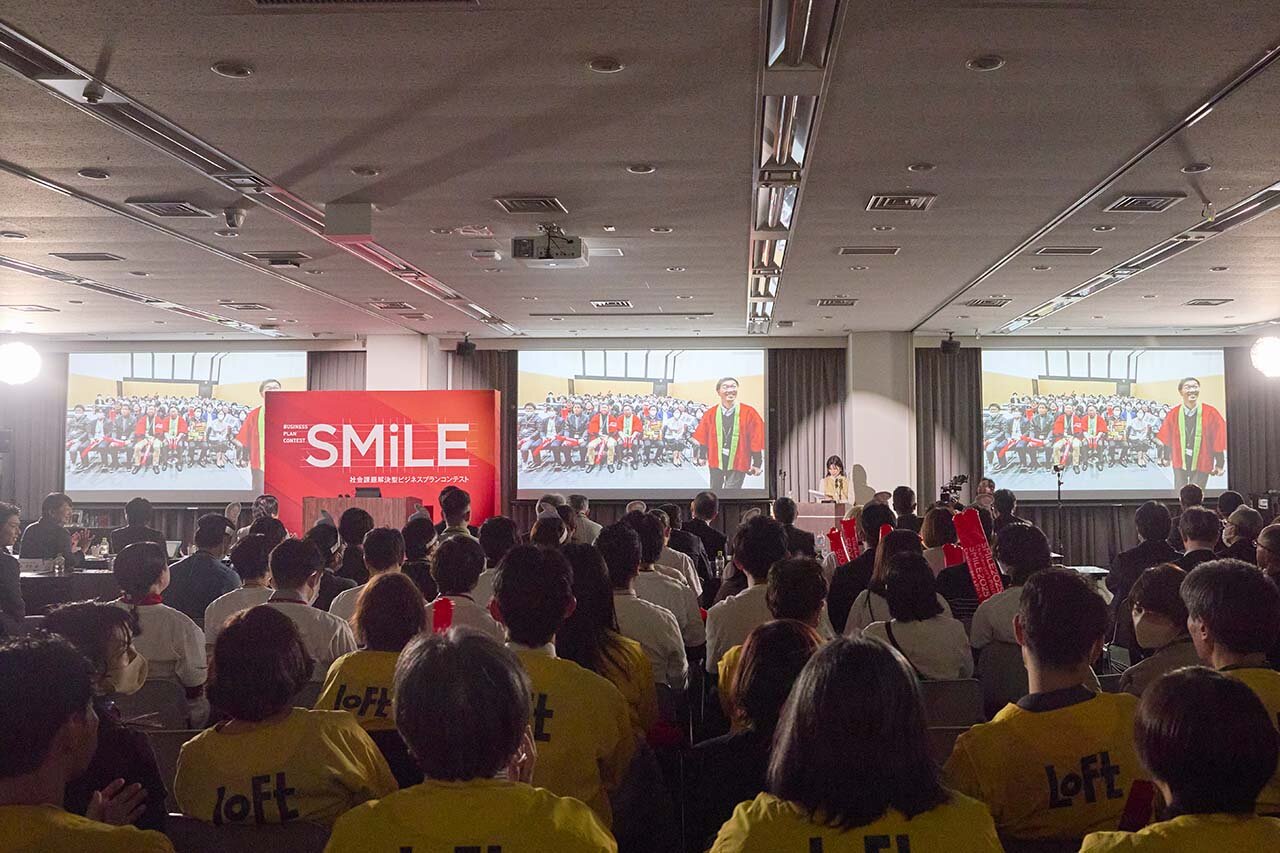
Hosted by Seven & i Holdings, SMiLE 2025 welcomed approximately 960 participants both in person and online—the largest turnout to date—and continues to expand in scale year by year.
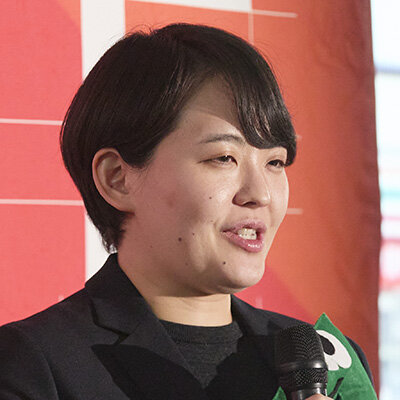
Kanaya
To be honest, I don’t have a clear "this is it" idea right now. But I still carry a sense of regret, feeling that I could have done better—and one day, I’d like to take on the challenge again. Even if I don’t compete myself, I would like to stay involved in SMiLE in a supporting role. I wouldn’t have made it this far without the support I received. That’s why, next time, I want to be the one supporting someone else.
For six months, we kept running without turning away from the challenges right in front of us. What we gained through that journey was a sense of purpose that will continue to guide us into the future.
This text has been translated using an automatic translation tool.
Related articles