Mirrored Diversity in Effect By Embracing Differences | Interviews with three representatives from 7-Eleven International LLC
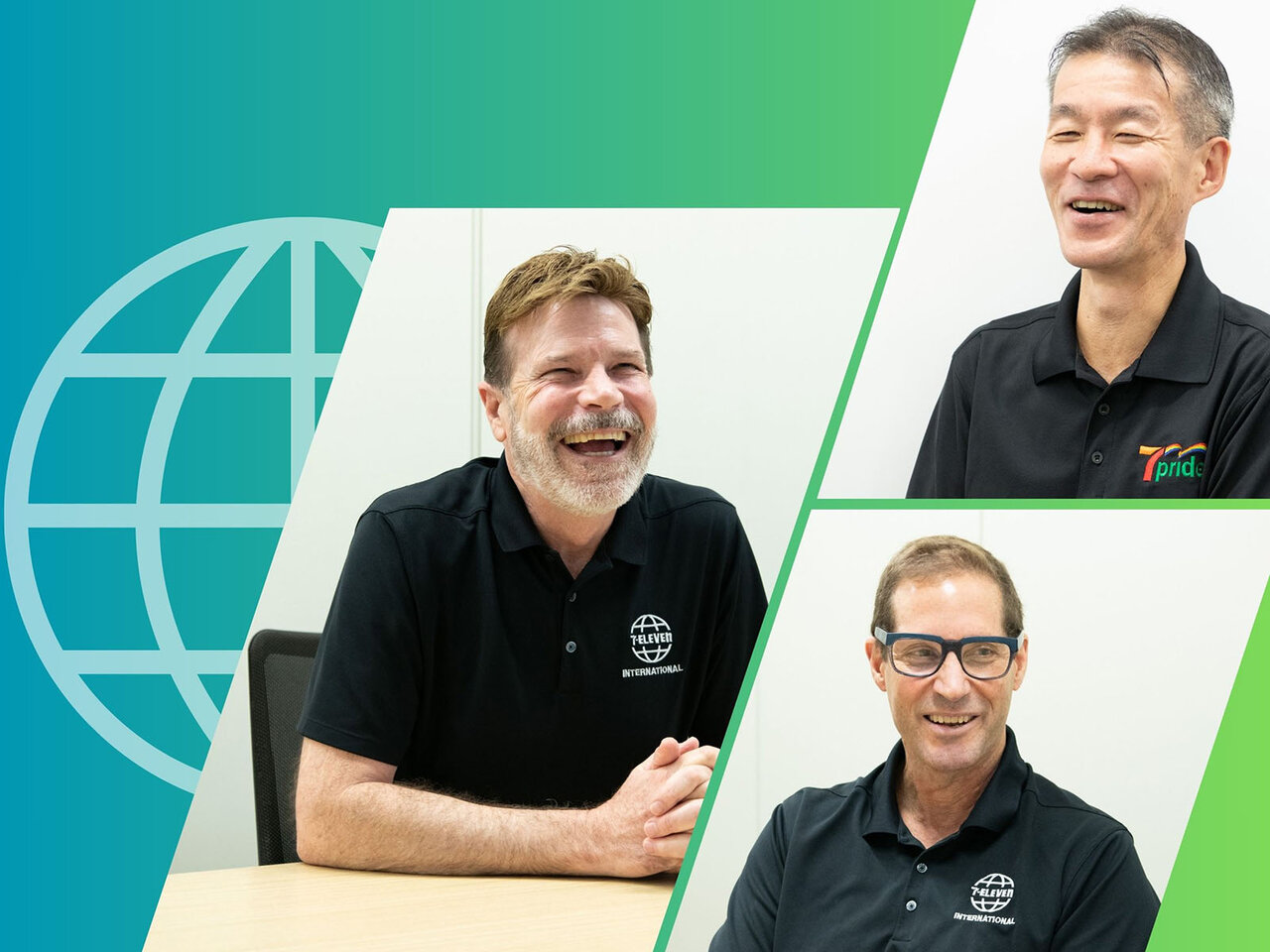
At 7-Eleven International LLC, the top priorities are respecting local communities and adapting to the unique needs of each market. Three team members share their perspectives on these core values, by sharing memories from their childhood and youth connected to 7-Eleven, discussing their experiences with different cultures, and talking about their commitment to diversity, equity, and inclusion (D.E.I.). They also reveal their favorite items from 7-Eleven stores in Japan.
MIKE’S STORY
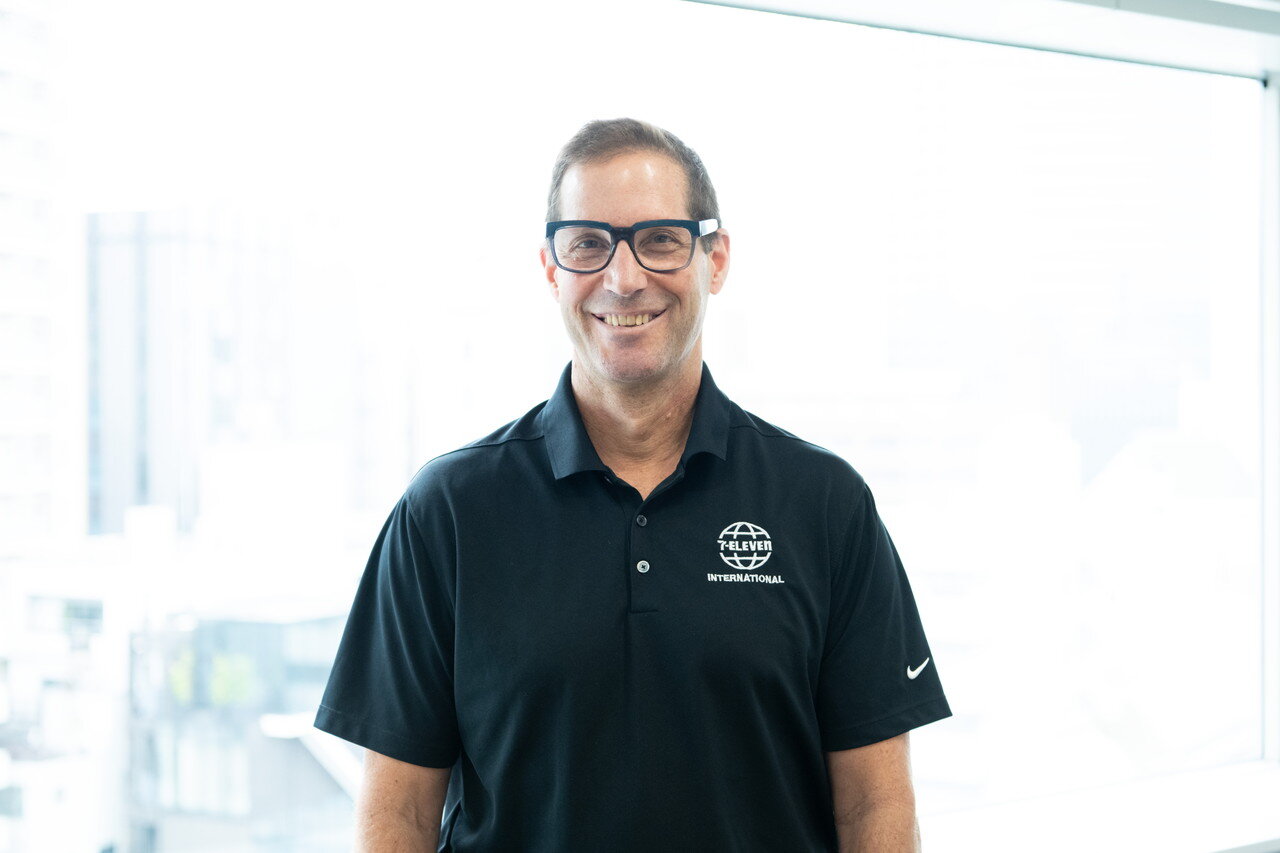
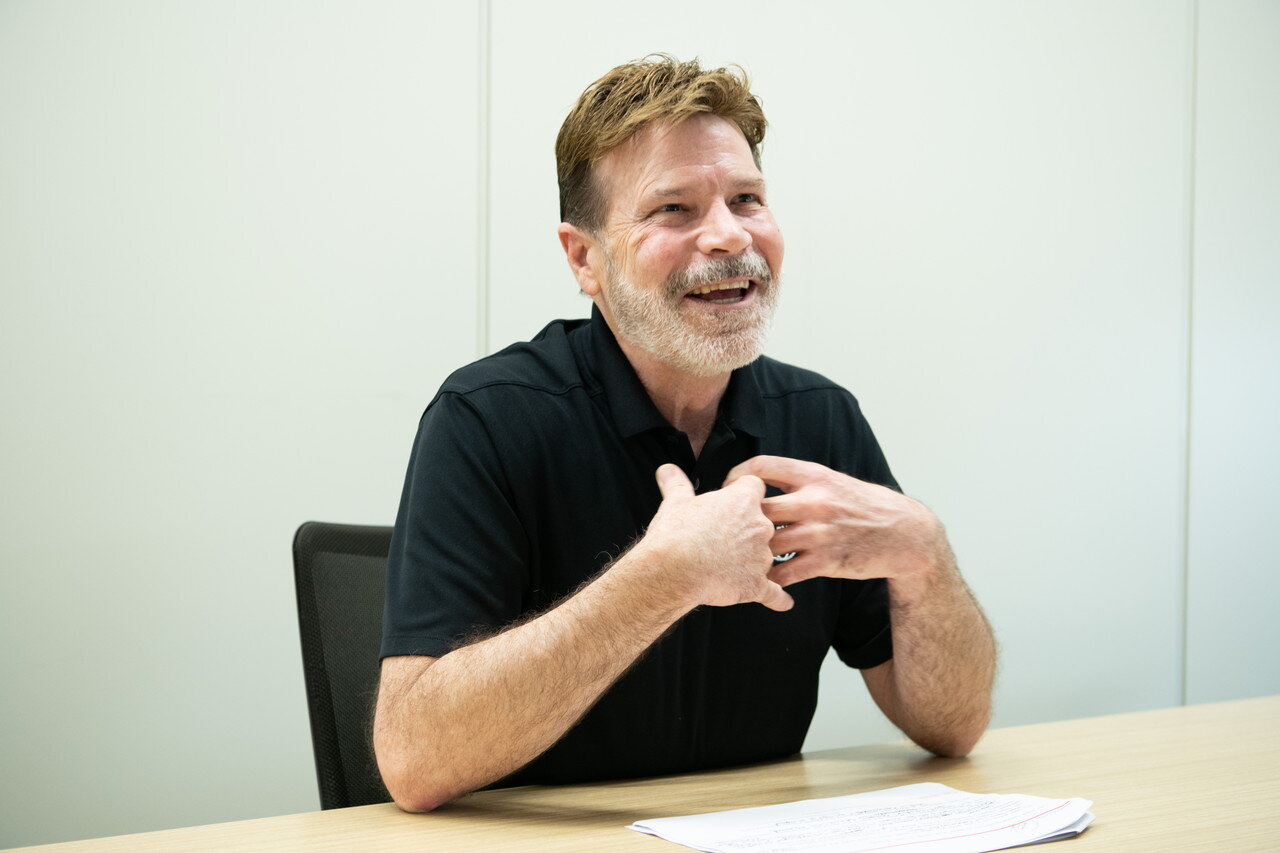
As a leader for the Region 1 operation unit in Tokyo that covers India, the Philippines, Malaysia, Vietnam, China, Macau, and Singapore, Mike focuses on developing people and infrastructure to improve customer satisfaction and grow sales and stakeholder profits with extensive international experience as an entrepreneur and corporate leader.
Childhood Memories with 7-Eleven
His journey with 7-Eleven started with his childhood experiences with the local stores. "Growing up in Santa Cruz, California, I would ride my bike or skateboard to elementary school. After school, I often visited the 7-Eleven store to grab a cup of Slurpee, some candies and snacks, pick up a comic book, and play pinball. There were also other 7-Eleven locations near my middle and high schools. 7-Eleven was always a fun and cool place to hang out with my friends."
“It was also very convenient,” Mike adds. “My mother often asked me to run to the store when she needed milk or sugar for baking cookies. Since there were no other grocery stores nearby, 7-Eleven was the closest and most convenient choice for us. It was always there for my family and me.” This childhood memory inspires the question he frequently raises in his role: how can we better integrate 7-Eleven into the lives of the communities we serve?
Lesson in Diverse Household
Mike grew up in a diverse household. “My mother is Swedish, and my father was born in Austria and grew up in England. They met in Scotland and moved to California. So, I grew up feeling like a Californian, while living in a house that was very European. My parents were very direct. They would just say exactly what was on their mind, so I learned to speak very directly. Also, in the U.S., most people speak quite directly.”
That’s why he has always had this question about how Japanese people behave. “Having worked with my Japanese colleagues for 17 years, I always felt that they were not revealing their true thoughts to me. I couldn’t understand why.”
Japanese Concept of “Honne to Tatemae”
Then, earlier this year when he moved to Japan to take his role as the Region 1 leader, the mystery was solved. He learned about the concept of “honne to tatemae,” which refers to the distinction between one’s private thoughts and public facade. This concept is almost the opposite of the idea of “direct talk.”
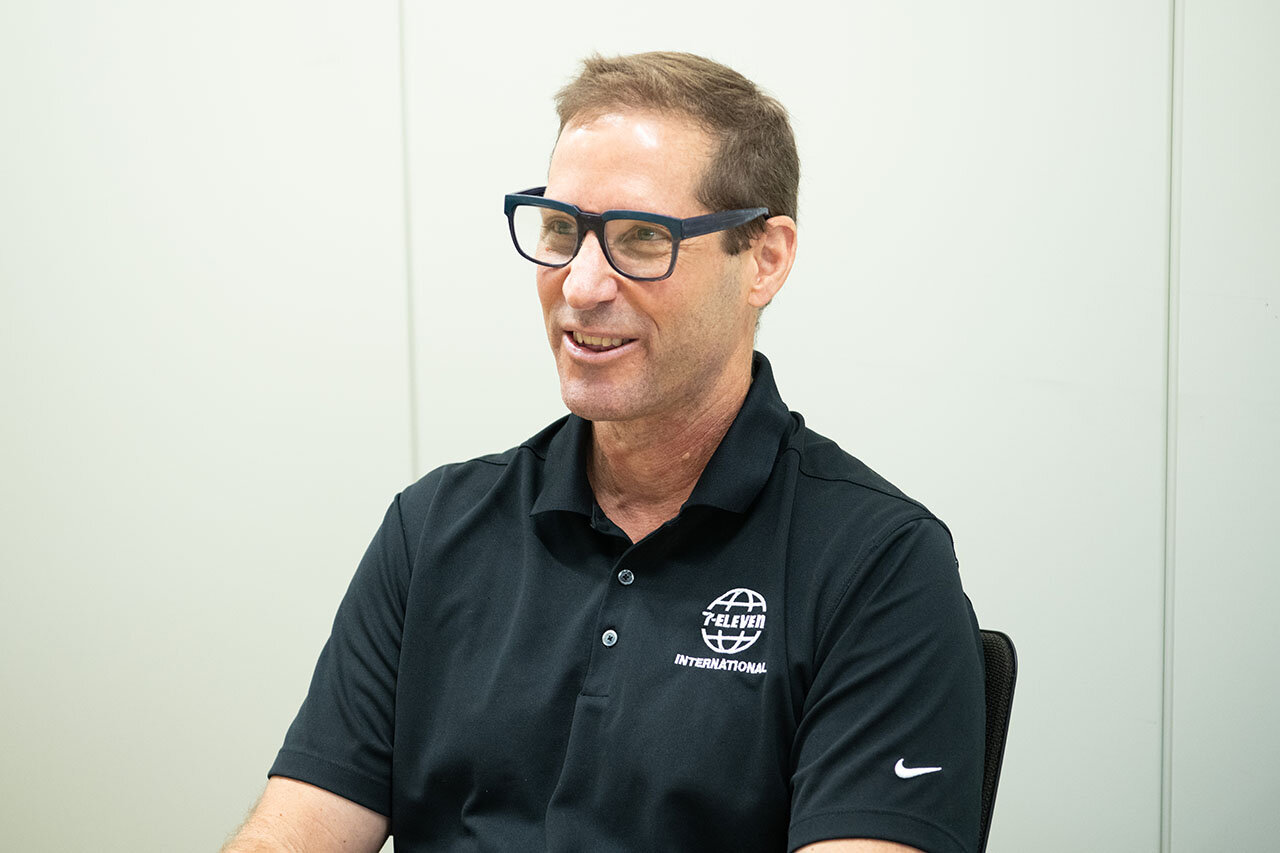
“I understand how important ‘tatemae’ (the public facade) is in fostering a smooth, efficient, and productive corporate culture, all while keeping everyone peaceful. A person’s private mind only comes out after working together for a long period of time. This can happen during casual outings to izakayas (Japanese-style bars). Sharing some beer after work might encourage them to open up and share what they’re thinking.”
Diversity within the Team
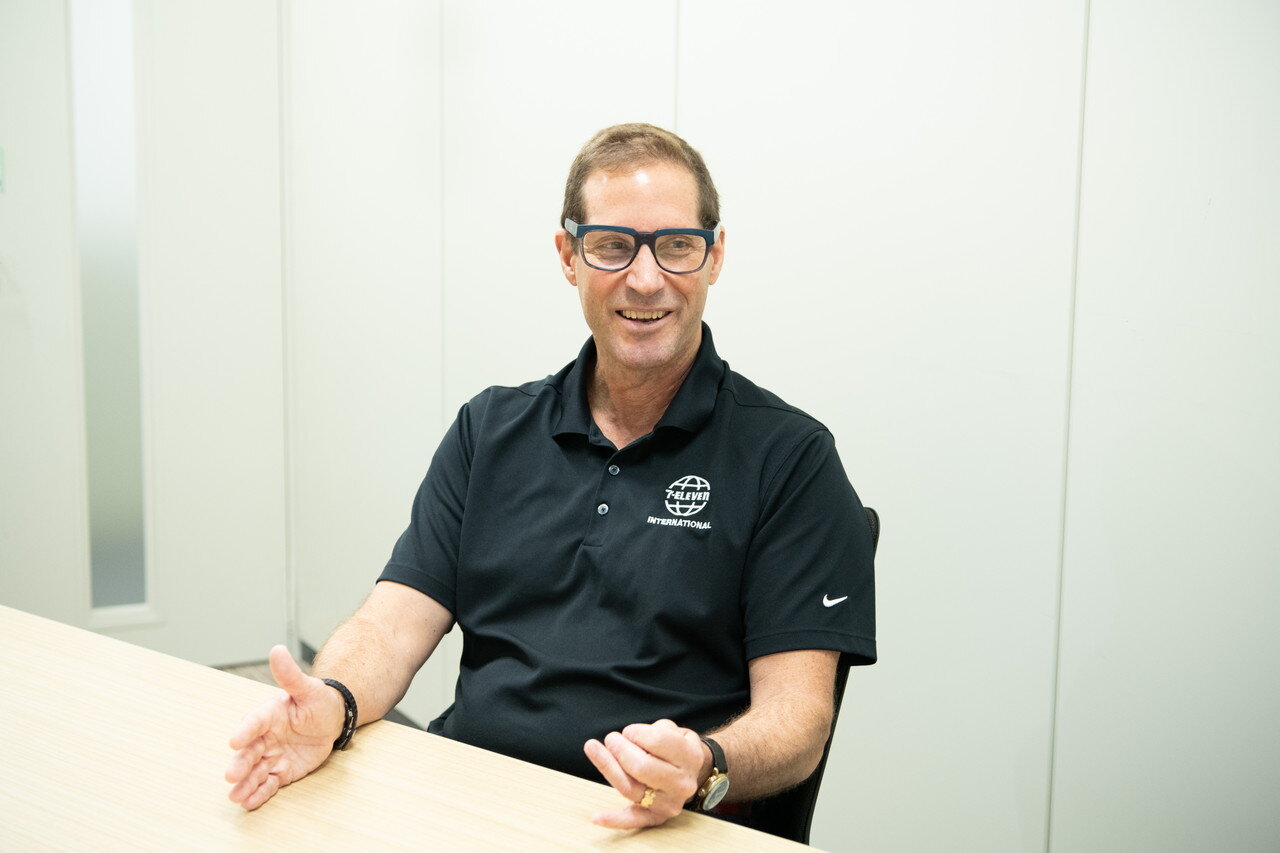
Mike’s efforts to adapt to the unique Japanese culture seem to be working well with his current team. “My team is a lot of fun. We work very hard together and play hard as well. I have taken long hikes, ridden scooters, and toured around Taiwan with my team members. We play tennis and run races. And of course, after all those hard activities, we usually have cold beer, whiskey, highball if we’re in Japan, or whatever the local drink is if we’re in a different country. After a long, productive day with licensees, we usually go to a local marketplace or a night market, sit down, taste local foods and drinks, and talk about what happened that day and prepare for the next day. So, generally, we build very strong relationships within the team by taking these trips together. That’s amazing.”
The diversity within the team and their collective spirit are crucial for 7-Eleven International’s business. "This is the most diverse team I’ve ever had, encompassing a wide range of work experiences, hobbies, interests, and personality types. Some members are early in their careers, while others are more seasoned. This diversity is valuable because it reflects that of our customers, who also come from various backgrounds.”
Importance of Global Mindset
Mike discusses various cultures from different countries and highlights the importance of a global mindset to adapt behaviors in a respectful manner. He notes, “For example, in the Philippines, people are very warm and genuinely want to know about you, so you should share exactly how you are feeling. In Scandinavia, people are super direct, and if you don’t answer them directly back, they may think you’re hiding something.”
Mike continues, “It is important to create a global mindset where people can truly adjust their behaviors to learn to think like the local licensees and their customers. That’s the only way to understand what the opportunities are in providing the local services, products, and operations.”
Holding the Core Value of the Brand
While adapting to local cultures, it’s important to keep 7-Eleven’s brand standards as well. Mike shares an experience from launching the market in India. “I visited a distribution center in Mumbai for inspection to determine if it met the quality standards. At the end of the tour, as we watched the product got loaded onto trucks, I noticed a condition that might cause quality or safety control issue.”
Mike asked one of the local staff about the situation, and their response was that the situation was normal there. “I wanted to respect that things were very different in India, and as long as the product would be delivered on time and undamaged, we should reserve judgment. But then, I asked myself, ‘How can I possibly explain this to my Japanese colleagues who’ve never been to India?’ To me, it was a signal that if the distribution center was willing to accept something somewhat unusual, there might be other issues at play. So, we did not sign with the distribution center and selected the one that I believed had a much higher standard of quality control. You adapt to the local context, but at the same time, you must uphold the core values of the brand.”
TAKASHI’S STORY
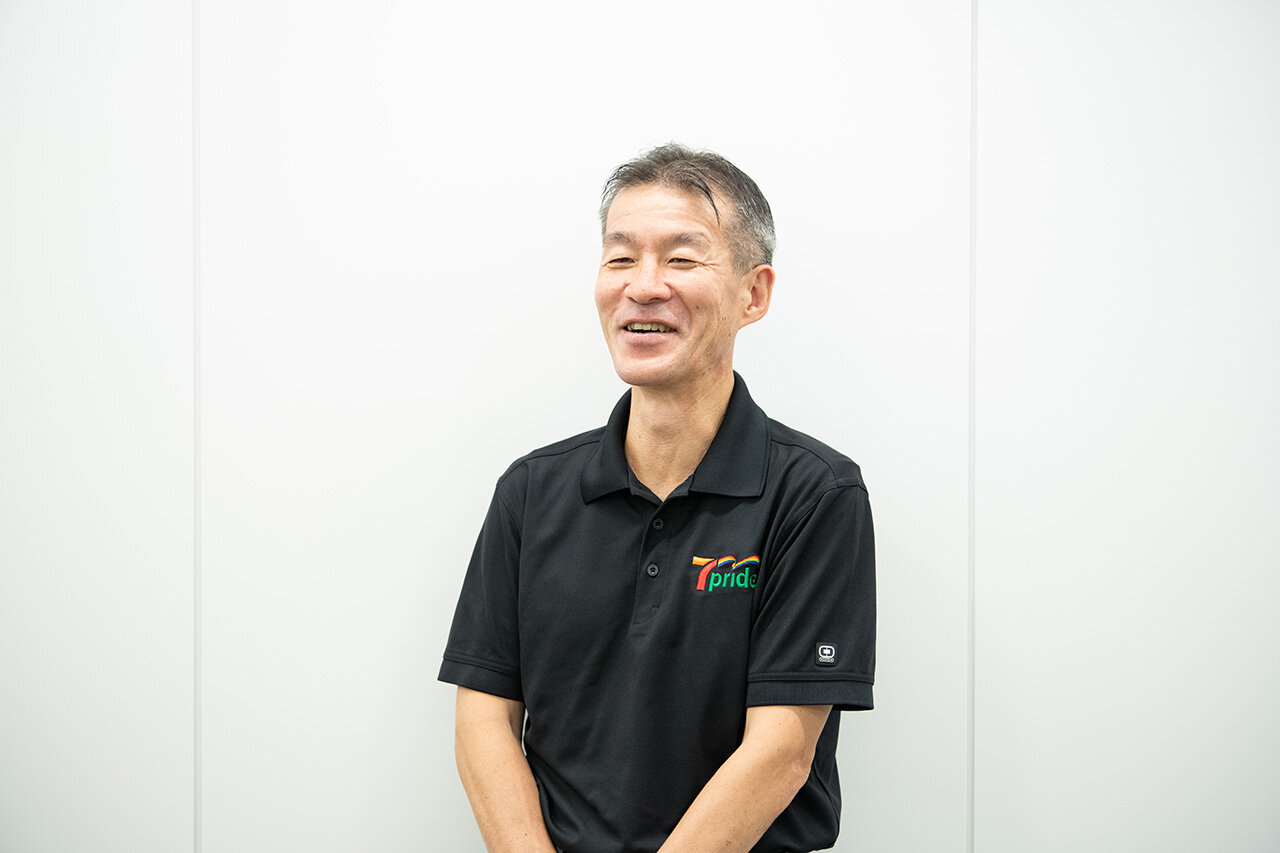
Takashi shared Mike’s experience in India as one of the initial members launching the operation there. He joined the 7-Eleven group in 2000 and has gained experience in Japan across various departments, including Operations, Store Development, and Recruiting, before becoming involved in international business. With a strong ambition for global endeavors, Takashi has spent the past 10 years focusing on international store development, operations, and new market entry roles, visiting approximately 50 countries worldwide. He is also a founding member of 7-Eleven International.
Takashi’s Impression of Mike
Takashi is currently working with Mike in the Region 1 Team and speaks fondly of his senior colleague. “Mike is a cheerful and logical thinker. He has a clear sense of right and wrong and is never hesitant to identify that. He stands firmly by his principles and does not easily compromise.”
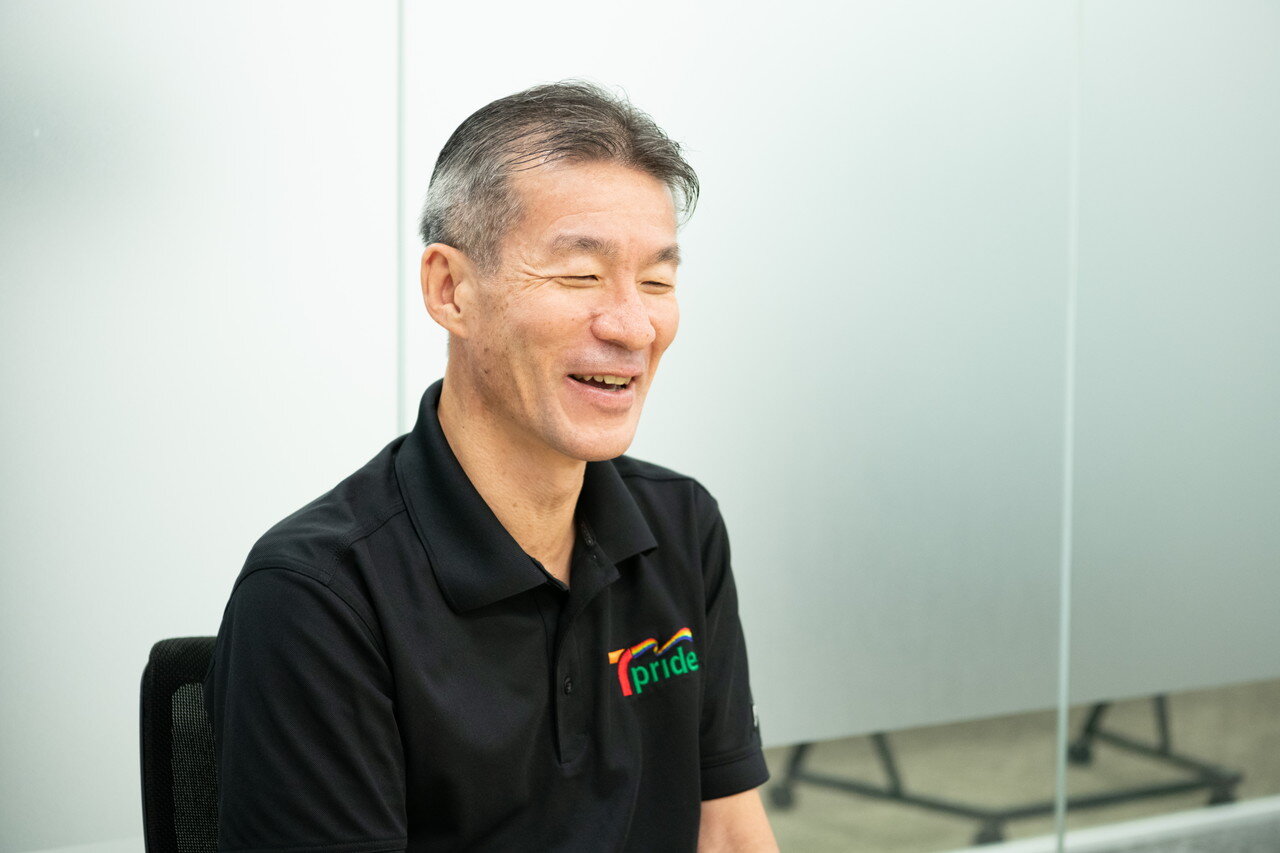
“As a boss, he demonstrates a high level of respect for his team members,” Takashi explains. “When we share our thoughts and clearly outline our objectives and plans, he trusts us to take responsibility. He clarifies our roles, sets goals, and gives us the freedom to determine how to achieve those goals.”
Characteristics of Customers in India
Regarding the Indian market, Takashi offers some valuable insights. "The average age of consumers in India is in their 20s and 30s, while in Japan, it is around 48. This suggests a much younger demographic in India. Indian consumers are generally curious about new trends. Korean products are popular among them, and they enjoy spicy food. Furthermore, they are fans of Korean pop music and heartthrobs. Japanese anime is very popular too, and discussing anime truly excites them.”
He commends the country’s positive energy. "Recently, Indian tech companies have taken the lead due to their genuine capabilities. They understand that having the right skills enables continuous growth. Furthermore, their education emphasizes the importance of ethics."
Multi-layered Diversity in the U.S. and India
While developing and managing store operations in the Region 1 markets, Takashi is actively engaged in the company’s D.E.I. initiatives. He brings a unique perspective on these topics, drawing from his experiences in both the United States and India.
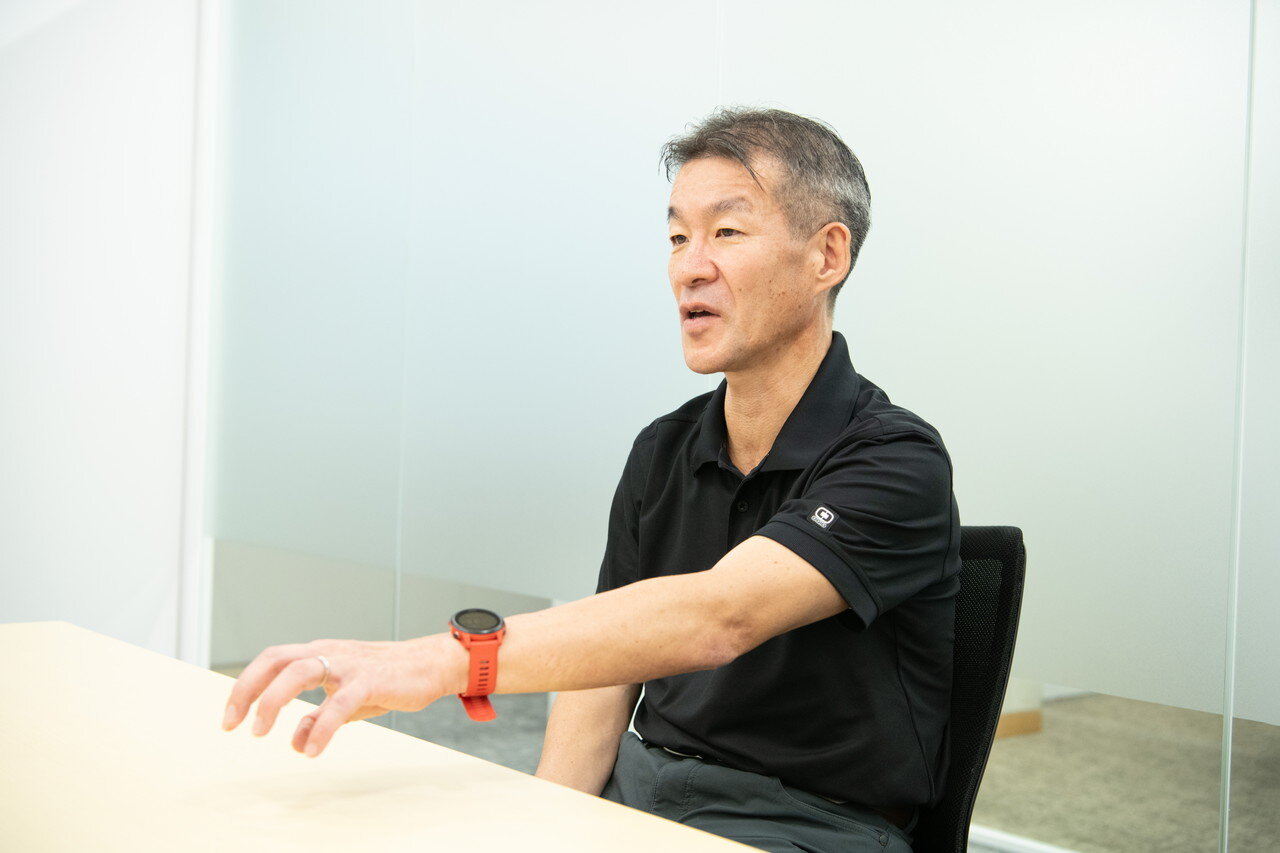
"I lived in the U.S. for five years, which is a very diverse country in terms of nationality. I had the opportunity to work alongside individuals from various backgrounds, including Vietnamese, Chinese, Korean, Canadian, German, Guatemalan, Mexican, Pakistani, and Indian. I made an effort to understand them better."
“On the other hand, India didn’t appear particularly diverse in terms of nationality,” Takashi explains. “However, if you look beyond nationality, you’ll encounter a wide variety of diverse individuals. For example, there are people from the parent company, affiliated companies, and colleagues from different departments in other stores’ departments. The locals taught me that learning to communicate with these individuals was an important aspect of understanding diversity.”
Takashi also highlights the significance of positive discussions. “In both the U.S. and India, people often engage in thorough conversations, whereas Japan is known for its one-way communication style. Engaging in debates allows individuals to gain insights into the perspectives of others.”
True Meaning of “Equity”
Takashi also shares his unique view on D.E.I. “I believe that ‘equity’ is especially important in the concept of D.E.I. Equity is different from equality. For example, think about a short person and a tall person trying to see the same view. They have different perspectives. If we give the shorter person a stool, they can reach the same eye level as the taller person. This allows both to see the same scenery and start from the same point. In places like India, where infrastructure is still developing, we need to ask: how can we help them achieve a level playing field?”
DALE’S STORY
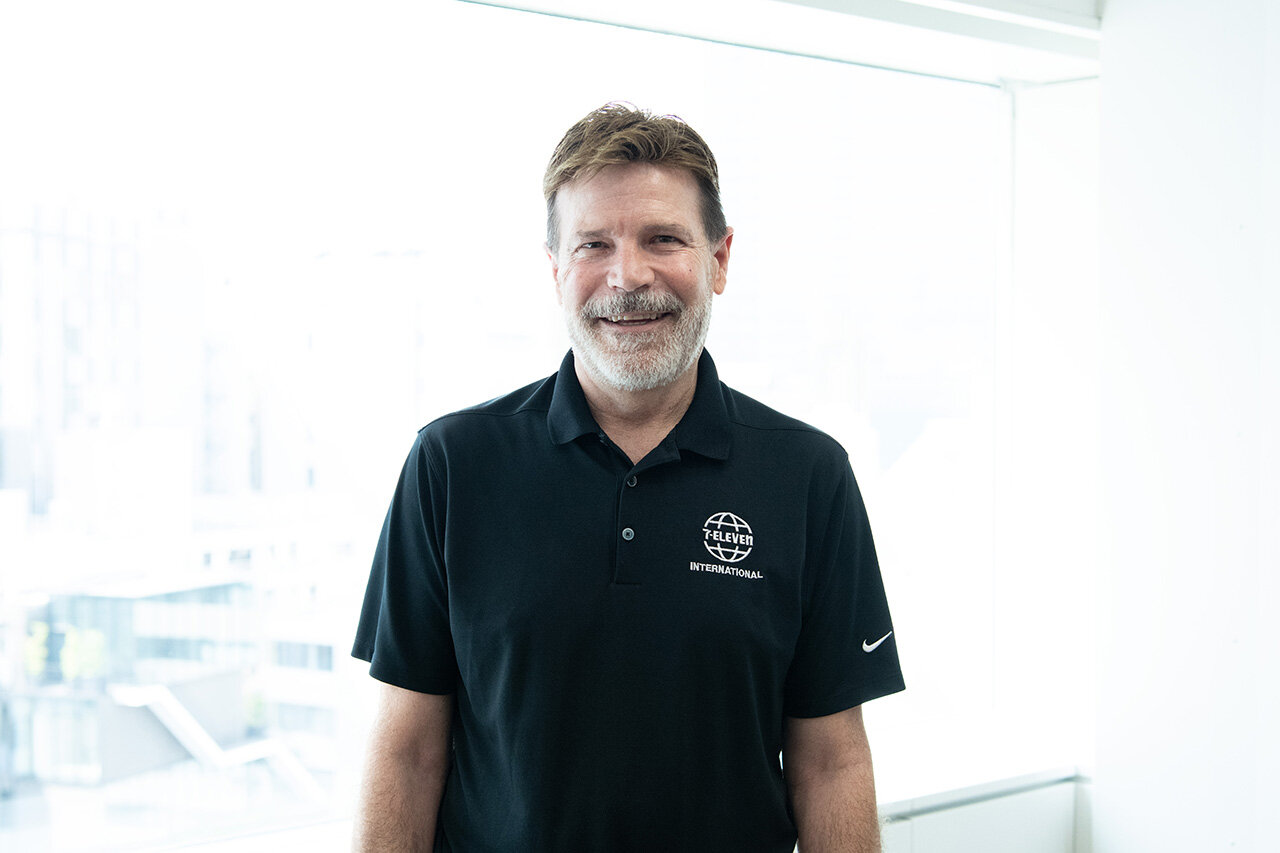
Another key person in the D.E.I. initiatives is Dale, who has recently relocated to Japan to take on a position on the Region 2 Team, which covers Taiwan, Thailand, Cambodia, Laos, Korea, Denmark, Sweden, and Norway. He mainly supports the Scandinavian markets. During his career, he has played a key role in developing international workshops that focus on field operations, category management, and product and store development.
Career Destiny with 7-Eleven
For Dale, his relationship with 7-Eleven feels like a career destiny. "During my college years, I worked the night shift at a 7-Eleven store for a few years. After graduating, I worked for another company for many years. One day, the manager of the 7-Eleven store reached out to me because they needed someone part-time on weekends. So, I took the job while still working full-time elsewhere because I loved the store environment and the customers."
Years later, when Dale was searching for a new full-time position, the same store manager informed him that they were looking to hire consultant trainees. He applied for the position and got the job. Dale says, "My experiences at 7-Eleven have included everything from Sales Associate, Store Manager, Operations Field Consultant, and Field Trainer. Training and consulting both domestic (SEI) and International Operators on the 7-Eleven business. It’s all because of my love for 7-Eleven."
Sharing Instead of Training
Dale prefers the word “sharing” to “training” when he describes his role. “I help new members start thinking strategically and assist them in adapting to new cultures so they can support people at various levels and across diverse cultural backgrounds. A key part of this process is listening and understanding. In the office, we work very collaboratively, talk all the time, and do things as a team.”
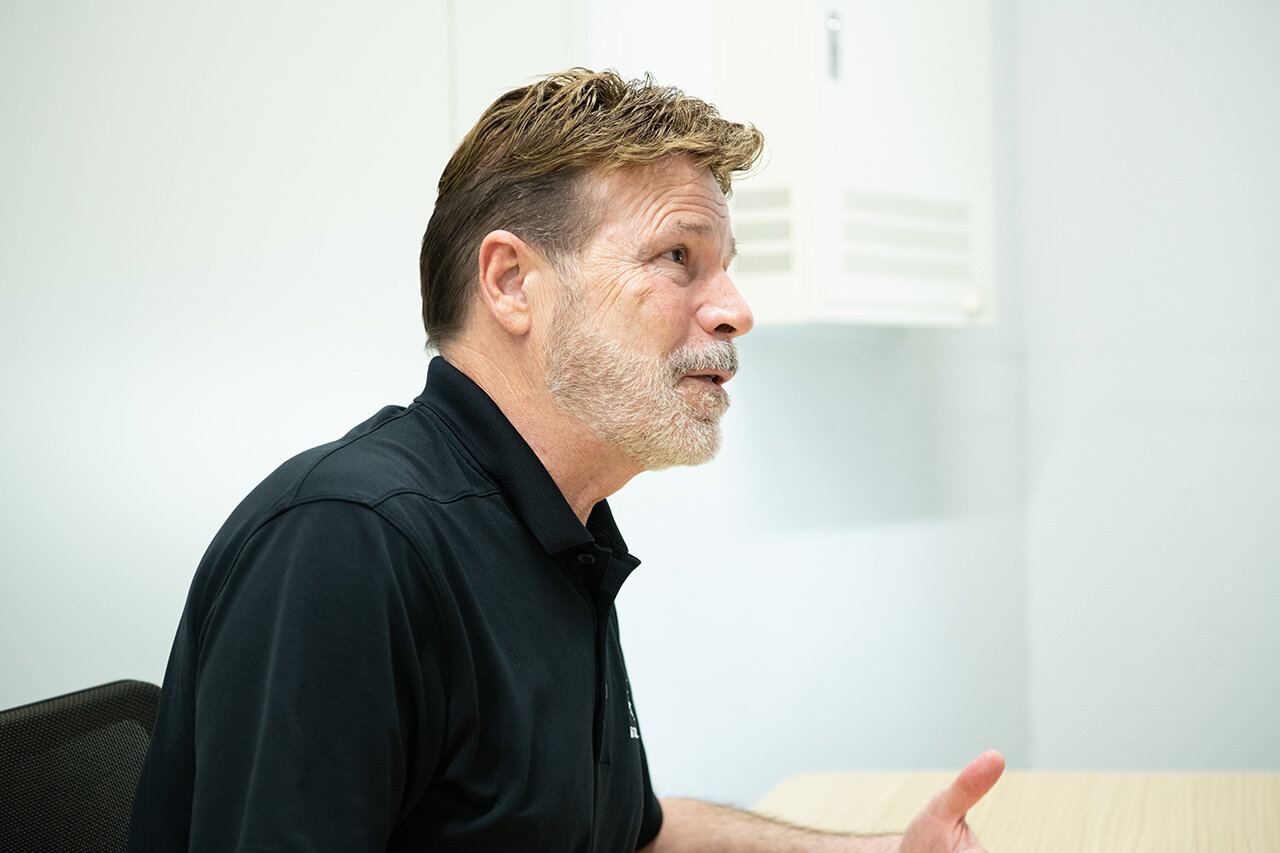
“Then, you have your external customer, which is the Scandinavian market,” Dale continues. “They’re very different from the customers in Southeast Asia, for example, so it’s very important to align with them by understanding and listening to the needs of the local licensee and master franchisees in each country.”
“I love it when people find their own solutions. We just need to share in consults for them to find a way to make their jobs easier and better and put smiles on the faces of people coming through our doors every day.”
Shared Love for the Brand
Dale also plays a crucial role in the company-wide D.E.I. initiatives. “We are an international brand, operating globally. We cannot focus solely on the U.S. or Japan. I have seen team members travel to different countries and present ideas from either the U.S. or Japan, only to have local partners respond, ‘That doesn’t apply here,’ and then introduce new local samples. We appreciate that. If we want to expand, we need to understand the diversity in culture, gender, and lifestyle."
At the same time, all 7-Eleven members worldwide share a common mission. Dale emphasizes, “The products, foods, and customers are different, but our love for the brand and business model is the same. We all share the same purpose, which is to serve customers in the best possible way and become the most favored brand in society.”
Favorite Foods from Japan’s 7-Eleven
At the end of the interview, we asked Mike and Dale about their favorite foods from Japan’s 7-Eleven.
Mike first acknowledges their signature items. “Everyone loves onigiri and the famous egg and mayonnaise sandwich, and I enjoy them, too.” Then, he proves that 7-Eleven has everything for everyone. “I try something new every day because Japan’s 7-Eleven has so many fresh food choices, constantly introducing new items. I am moving towards a healthier lifestyle, so I typically look first in the salad section. Yesterday, I had this tasty salad with seafood on it, but if I’m having a protein craving, I usually go with something like the dish with pork and tofu over rice. If it’s late evening with a couple of beers, I might want some fried chicken.”
Dale shares his morning routine and demonstrates his open-minded spirit. “Every morning, I get an iced coffee and some pastries. I love iced coffee, smoothies, and fried chicken here. Lately, I’ve been eating a lot of salads because I gained weight from having too much ramen. I’ve also tried the dish with octopus and broccoli. I’m exploring different options to understand the products while trying to be healthier so that I can enjoy more ramen!”
Related articles